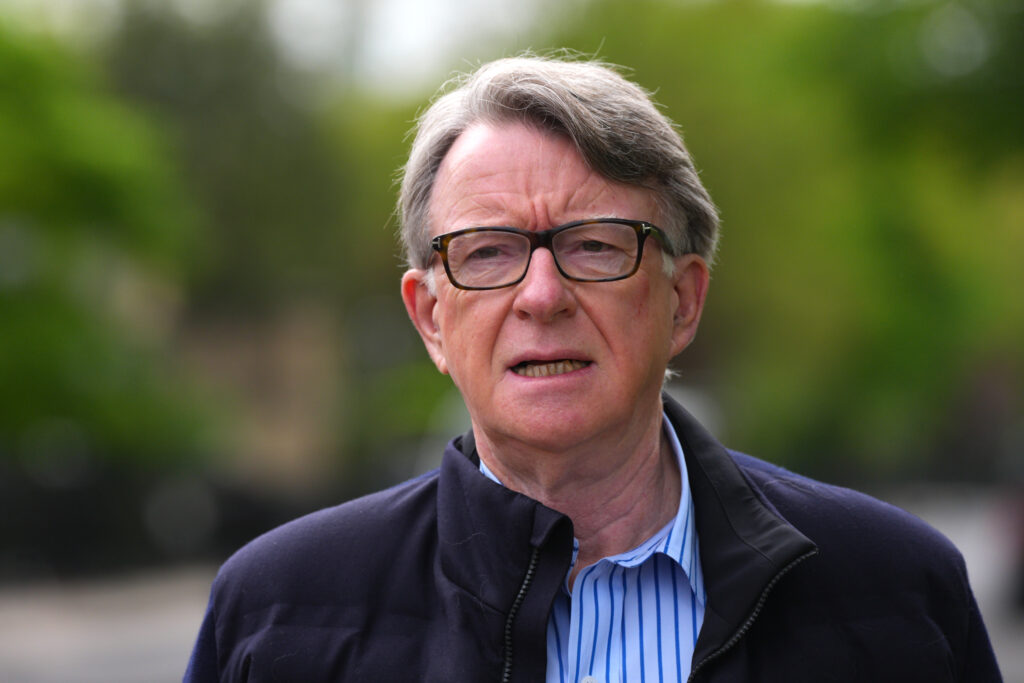
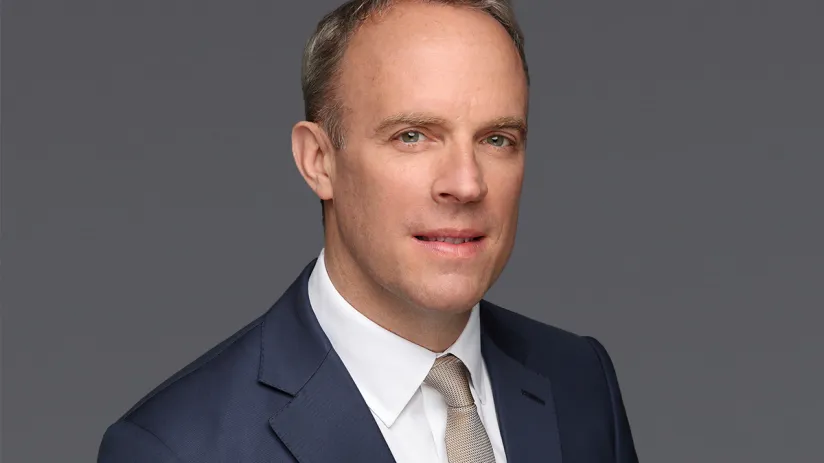
Starmer’s resignation marks a dramatic end to a premiership that began with Labour’s 2024 landslide, but was ultimately overtaken by weak polling, economic pressure, internal party unrest and the growing electoral threat from Reform UK. Wes Streeting’s decision to back Burnham has now strengthened the sense that Labour may be moving towards a managed succession rather than a bruising summer contest.
Starmer to step down
The Prime Minister said he would remain in post while the party chooses his successor, with Labour expected to open nominations on 9 July. If the contest is uncontested, Burnham could be installed before Parliament breaks for the summer recess. If there is a full leadership contest, a new leader is expected to be in place before MPs return in September.
Starmer’s resignation marks a dramatic end to a premiership that began with Labour’s landslide general election victory in 2024, but which has since been overtaken by weak polling, economic pressure, internal party unrest and the growing electoral threat from Reform UK.
Starmer had initially indicated that he would fight any formal leadership challenge. But pressure from within the Parliamentary Labour Party intensified over the weekend, leaving his position increasingly untenable. In his resignation statement, he said he had heard the view of Labour MPs and accepted that he was no longer the best person to lead the party into the next election.
Makerfield triggers a succession crisis
The immediate trigger was Burnham’s decisive victory in the Makerfield by-election last week, which returned the Greater Manchester mayor to Westminster and transformed a long-running leadership question into an active succession crisis.
Burnham’s win over Reform gave Labour MPs renewed confidence that he could reconnect the party with voters in the north of England and fight Nigel Farage more effectively at the next general election.
Burnham has now confirmed that he will put himself forward for the Labour leadership. The former health secretary and long-serving mayor has spent recent weeks framing the Makerfield contest as a vehicle for changing British politics, arguing that power should be shifted away from Westminster and towards communities that have been overlooked by successive governments.
Streeting backs Burnham
Wes Streeting’s decision to back Burnham is the most important intervention in the contest so far. Streeting had been seen as the main potential alternative candidate and a figure who could have rallied MPs worried about Labour moving too far from the centre ground.
By ruling himself out and endorsing Burnham, Streeting has made a contested race less likely and increased pressure on other senior Labour figures to fall in behind the Greater Manchester mayor. His support also gives Burnham political cover with parts of the party that may have been uneasy about a sharper break with Starmerism.
For Labour, that matters. A drawn-out leadership contest would risk exposing divisions over tax, spending, public service reform, immigration, devolution and the party’s response to Reform UK. A swift Burnham succession, by contrast, would allow Labour to present the change of leader as an orderly transition rather than a collapse into internal warfare.
What would a Burnham premiership mean?
His likely premiership would represent a significant change in tone and policy emphasis. Burnham has placed devolution, regional investment and the “powering up” of the north at the centre of his political offer.
He has also signalled a more interventionist economic approach than Starmer, raising expectations of higher public investment in transport, housing, health and industrial strategy outside London.
That shift will be watched closely by businesses, investors and public affairs teams. UK assets came under pressure following Starmer’s announcement, with sterling and gilt prices holding lower as investors weighed the prospect of another change in leadership and the possibility of a looser fiscal stance under Burnham.
Because gilt prices move inversely to yields, the fall signalled continued concern over borrowing costs and the credibility of the next government’s fiscal plans. The immediate market reaction was contained rather than disorderly, but attention is now turning to Burnham’s fiscal stance, his choice of chancellor, and whether he will maintain the government’s existing commitment to fiscal discipline.
Markets look to the next fiscal settlement
The key question for investors is whether a Burnham government would preserve the fiscal framework built under Starmer and Rachel Reeves, or seek greater room for spending on regional investment, infrastructure and public services.
A more expansionary approach could benefit sectors exposed to public investment, including construction, housebuilding, transport and parts of the green economy. But it would also raise questions over tax, borrowing and regulatory risk, particularly for domestically exposed sectors.
For public affairs teams, the immediate task will be to understand whether a Burnham administration means a change of personnel, a change of political language, or a more substantive shift in the government’s economic and regulatory direction.
Questions over mandate
The political stakes are high. A Burnham premiership would make him Britain’s seventh prime minister in a decade, underlining the instability that has defined UK politics since the Brexit referendum.
It would also raise constitutional and democratic questions, with Labour potentially changing prime minister less than two years after winning a large majority under Starmer’s leadership.
Reform UK is likely to capitalise on that argument by calling for a general election and questioning Burnham’s mandate to govern. Conservatives are also expected to argue that Labour is replacing the leader endorsed by voters in 2024 without seeking a fresh mandate from the country.
Labour moves towards a managed handover
For Labour, the calculation is clear: Starmer’s authority had drained away, while Burnham’s return to Parliament has given MPs an alternative route to survival.
Streeting’s endorsement has changed the shape of the succession. Instead of a binary contest between Burnham and a more centrist Starmerite alternative, Labour now appears to be moving towards a managed handover designed to minimise internal damage and project stability to the country.
The public affairs industry will now be watching three questions closely: whether any serious challenger still emerges, whether Rachel Reeves remains as chancellor, and how far a new administration would depart from Starmer’s programme on tax, spending, devolution and regulatory reform.
For now, the Starmer era is ending. The Burnham era may be about to begin.