Robert Jenrick joins UK tourism trade bodies in hitting out at Holiday Tax
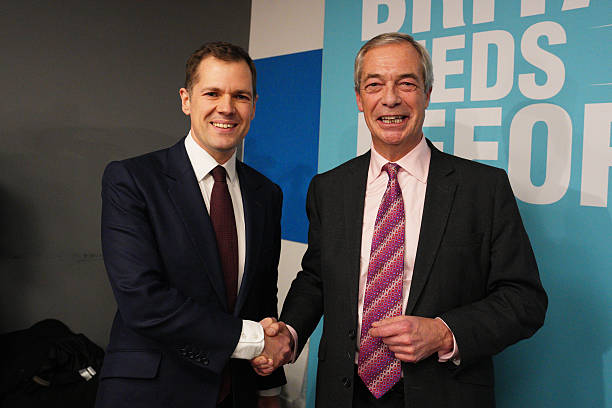
Robert Jenrick, Reform's Shadow Chancellor, used the Bank Holiday to make clear that his party would not be introducing a tourism tax.


Mace investigates what industry leaders really think about this new measure.
Pubs, clubs and live music venues in England are due to receive a welcome 20% cut to their business rates bills from April. These plans were unveiled by Prime Minister Andy Burnham as part of a £10 million package which aims to support English high streets and ease cost of living pressures. Burnham has said the package will be funded partly by a review of business deemed not to make a positive contribution to society, such as vape shops.
In an announcement today, the Prime Minister said: “For too long, governments have stood by while cherished venues have disappeared from our local high streets. So today I am changing that.
“This government will back the businesses that people want to see in their communities. I said I would protect pubs and local high streets – the beating heart of our communities – and that’s what we will do.”
Emma McClarkin, CEO of the British Beer and Pub Association (BBPA)
The BBPA is the leading trade body representing the UK’s brewing and pub sector. Its members brew roughly 90% of all beer consumed in the UK and operate around 20,000 pubs.
“For years and years, pubs have paid a disproportionately higher rate which has ground down their ability to keep the doors open, so we’re delighted that after working with Andy Burnham’s team prior to his election as Labour Party leader, he has swiftly acted on our concerns and provided new backing to our nation’s pubs as he promised.
“The local has and always will be more than just a place to get a pint”
“The local has and always will be more than just a place to get a pint; it creates jobs, it’s our nation’s living room, it’s the anchor of the high street, so this sorely needed discount will be celebrated by pubs up and down the country.
“We now look forward to working with Government to deliver permanent business rates reform so we can keep the pub in its rightful place; at the heart of our communities.”
UKHospitality
Kate Nicholls, the chair of UKHospitality, gave the announcement a qualified welcome. “While support for pubs, bars and live music is welcome, restaurants, cafes and hotels are the heart of our communities and backbone of the high street,” she said.
“So if the PM truly wants to deliver a high street renaissance and growth in every postcode, then we need to look at a business rates cut for the whole of hospitality and tackle the broader cost of doing business.”
UK hospitality has previously warmly welcomed Burnham’s premiership. Allen Simpson, Chief Executive of UKHospitality, said: “We congratulate Andy Burnham on becoming Prime Minister today and welcome his commitment to building the economy, supporting young people into work and creating growth that reaches every part of the country.
“Hospitality is uniquely placed to deliver these ambitions. As one of the UK’s most socially productive sectors, we provide millions of jobs, offer first career opportunities for young people, help people back into work and support communities across the country.
“Our sector is an economic powerhouse with huge opportunity, but that potential is being constrained by a significant tax burden. A permanent reduction in hospitality VAT to 10% would not only unlock investment and job creation, but also help make hospitality more affordable for consumers. Alongside lower business rates and reduced employment taxes, it would help deliver the growth the Prime Minister wants to see.
“We stand ready to work with the new Government to ensure hospitality is recognised, not simply as a contributor to the economy, but as a vital partner in unlocking growth, creating opportunity and supporting every community across the UK.”
Iain Hoskins, the owner of MA Pub Group in Liverpool
MA Pub Group is an independent hospitality operator in Liverpool known for restoring historic or declining spaces into vibrant city-centre venues.
Hoskins highlighted that due to the increase in the cost of business in recent years, the new announcement does not go far enough. Speaking to BBC Radio 4’s Today programme, he said: “The worry has been, obviously, in recent years, I mean, when our venues from last year to this current year got revalued, we saw increases of between 100% and 150% on the rates that we pay.
“So that just goes to show how much they went up by. And while 20% – particularly if that 20% is on top of the 15% and other help that’s there – that can be very meaningful for businesses, independent businesses such as mine; I don’t want to sound ungrateful, but the increases were so huge last year that now we’re sort of chipping away at some of those increases.
“We’re not actually getting better value than we had before.”
“We’re not actually … getting better value than we had before. We’re still having to find extra money for these business rates. But you know, it is a relief that actually some of that is mitigated quickly. 20% isn’t an insignificant figure.”
Steve Alton, CEO of the British Institute of Innkeeping (BII)
The BII is the leading independent licensee support organisation for individuals working in hospitality, with over 13,500 individual members running premises across the UK – predominantly tenanted, leased, managed and freehold pubs.
Alton said: “Our members, operating independent pubs at the heart of their communities in towns and high streets across the UK, will be encouraged by this initial step taken by the new Prime Minister in his first few days in office. The recognition he has given to the vital role that pubs play in local economies, local employment and the huge social value they bring to their communities is welcome.
“However, even with this additional 20% discount on current bill levels, we now need to see a significant change to the cumulative taxation faced by our sector, to allow our nations pubs to have the ability to grow and reach their full potential. With the average salary of a 21-year-old having increased by almost £5,000 over the last two budgets plus the significant increases in NICs costs for employers, the discount on business rates bills, whilst a welcome step, can only be the beginning of the changes we need to see for our members.
“In order for pubs to be able to support local employment growth, particularly for young people beginning their careers, we need to see significant change to the overall tax burden they face. Our members have been clear and consistent in their calls for an urgent need to reduce their cumulative tax bill with a priority of a fair deal of VAT at 10% on all pub sales. This will be essential to provide the breathing space these vital local businesses need to grow and be at the heart of economic growth, as well as providing essential employment for young people in every postcode across the country.”
Robert Richardson, CEO the Institute of Hospitality
The Institute of Hospitality (IoH) is the global, award-winning professional body and membership organization for managers and students working in the hospitality, leisure, and tourism industries
Richardson said: “The Prime Minister’s decision to reduce business rates for pubs is a welcome first step and a clear sign that government is listening to the challenges facing hospitality.
“For many operators, any reduction in the cost of doing business will be welcomed. However, pubs do not operate in isolation. Restaurants, hotels, cafés, contract caterers and the wider hospitality profession face many of the same financial pressures. If we are serious about supporting one of the UK’s largest employers, this relief should be extended across the whole hospitality industry.”
Robert Jenrick, Reform's Shadow Chancellor, used the Bank Holiday to make clear that his party would not be introducing a tourism tax.
As the Charity for Civil Servants marks its 140th anniversary, Neil Woollard argues that the officials who keep Britain functioning are too often caricatured, underpaid and overlooked —
As war in Iran shocks global oil prices, trade bodies argue that the UK should recognise the importance of renewable energy sources - and begin investing in them.

Properties which are susceptible to floods could become unsellable, unless the government changes course, warns UKSIF
Year on year, the UK becomes more dependent on liquefied natural gas, but North Sea investment could change this, OEUK argues.
As Chief Executive of CIPR, Alastair McCapra is both a public affairs industry leader and also one of its more persistent critics. In his Mace profile, subjects range

As the war in Iran continues, Energy UK warns that bills will continue to rise.

Following a report from the UK Covid Inquiry, care providers have expressed their anger over the government's mismanagement of the pandemic.
With English Tourism week running until 23rd March, Ben Spier speaks out about the new tourist levy and the impact of increasing taxation and regulation on tourism.
The International Energy Agency, amongst other organisations, have warned of the knock-on effects of the conflict in the Middle East.
