Governments are rich in intelligence but not capability

Nada Kakabadse | 13th May 2026 | Comment
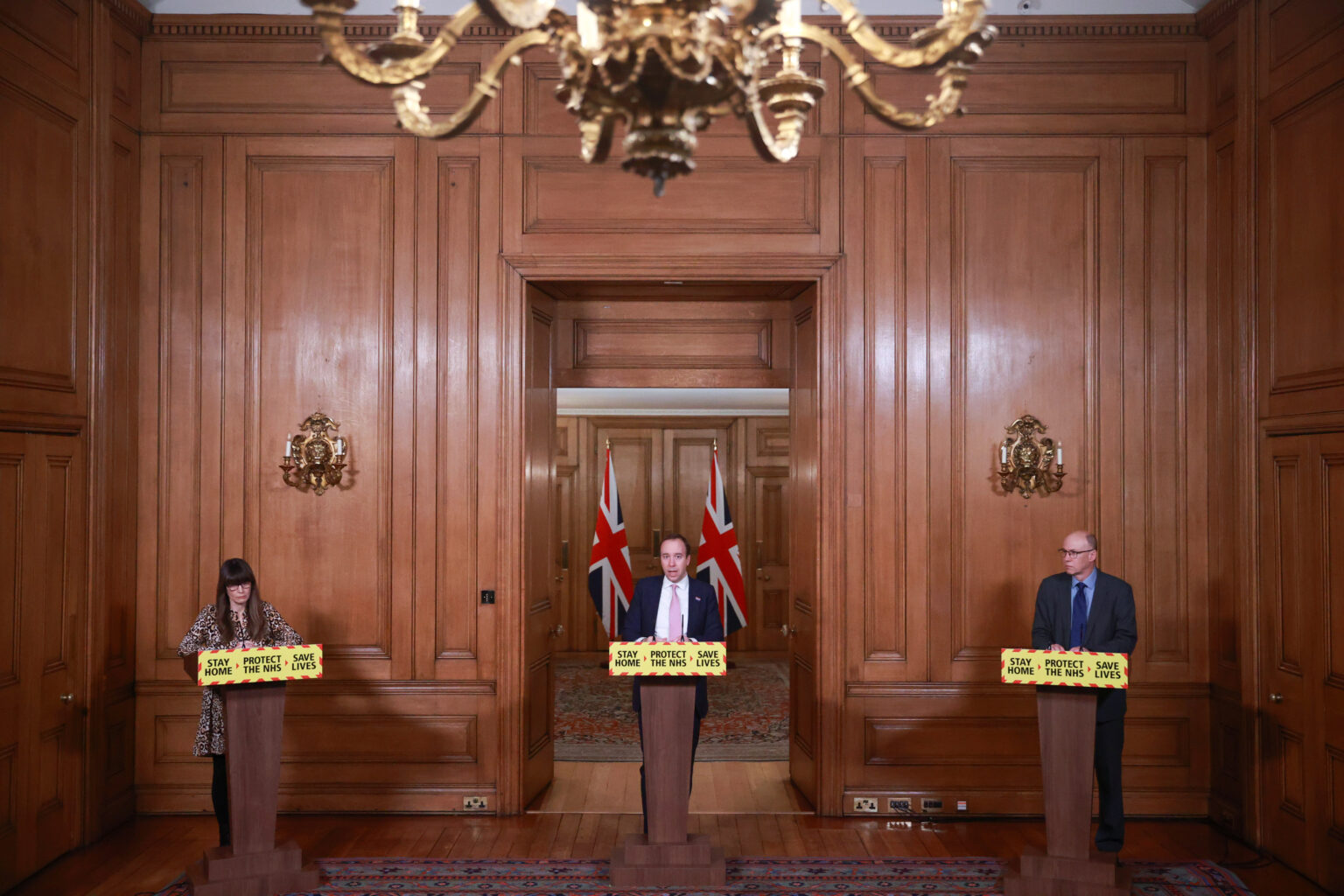
Photo by Hannah McKay - WPA Pool/Getty Images

Our governments are simply not designed for the challenges we face in the modern day, warns Professor Nada Kakabadse.

In 2016, the UK ran one of the most comprehensive pandemic simulations in its history. Nearly 1,000 officials took part. The conclusions were stark, but accurate. 

The system would struggle to cope, hospitals would be overwhelmed, PPE stockpiles were insufficient, and coordination across government was likely to ultimately falter. 

Four years later, COVID-19 proved every one of these warnings to be correct. The real story here isn’t that government got it wrong. It’s that it got it right, and yet still chose not to act. 

Knowing isn’t the same as being ready 

This project, known as ‘Exercise Cygnus,’ did exactly what it was designed to do. It stress-tested the system and exposed vulnerabilities with clarity and honesty. Those involved were all capable, serious professionals, but the end analysis was not the problem. It was what followed that was at issue. 

Recommendations were made, documented, and then left mostly untouched. When the crisis eventually hit, it didn’t surprise the system, it simply exploited the weaknesses which had already been mapped. 

This gap between insight and action is not unique to the UK. It is, increasingly, a defining failure of modern governance. 

Governments today are rich in diagnosis but poor in delivery. Their reports accumulate, key lessons are identified, and then implementation stall, until the next crisis arrives to validate what’s already …

Subscribe to The Mace

Join the member community shaping British politics and stay ahead of what's really happening in the world of politics and public affairs, with expert analysis, breaking news, and insider insights from Westminster and Brussels. The Mace is the leading news source and resource for the government affairs industry, offering required reading and lobby intelligence for professionals.

To see what you are missing out on by not subscribing to The Mace, click here to download our full membership info-pack. This includes having no paywall on op-ed content or profiles/interviews, allowing professional profiles to be read with maximum impact and visibility by government, special advisers, MPs, peers, civil servants, and policy and political decision-makers.


Chris Law MP: From promise to practice: why global human rights commitments keep stalling

Chris Law MP | April 15, 2026

The international order has the tools required to protect people. What is lacks is the will to use them, writes Chris Law MP


Government must go further with AI support

Polly Dhaliwal | April 14, 2026

As the use of artificial intelligence becomes more widespread, the government must do more to support small businesses with AI adoption, writes Polly Dhaliwal

The Strategist: Mark Leftly on the reality of political networks

Mark Leftly | April 13, 2026

Whilst it may seem easy to cast generalisations over Labour MPs, the reality is that most networks date back decades, writes Mark Leftly

Britain’s cleantech companies aren’t starving for capital. They’re starving for commitment

Sarah Mackintosh | April 10, 2026

The funding gap is real, but it isn't a shortage of money. It's a shortage of accountability for not deploying it, writes Sarah Mackintosh.

Net zero is an open goal for Wales

Ben Burggraaf | April 9, 2026

Despite being criticised by some as a costly endeavour, net zero presents a clear opportunity for Wales to benefit, writes Ben Burggraaf

Is everything we know about university wrong?

Oliver Dean | April 7, 2026

Neither Oxford, Cambridge, UCL or KCL find themselves in the top 10 for the 2025 English Social Mobility Index, and Oliver Dean explores why

Will Britain retreat into religious fever?

Oliver Dean | April 6, 2026

Following from Eastern Sunday, religion - and particularly Christianity - seems to be regaining relevance in the British political scene. But will it transform British politics as we

“So clever they can’t tie their own shoelaces”:  Why the Civil Service Fast Stream process needs reform

Lucy Carrier-Pilkington | April 6, 2026

Despite the competitiveness of the elite civil service fast stream, Lucy Carrier-Pilkington warns that it is turning away those with real talent.

Night fever: why it’s time to stop treating nightlife as culture’s unruly sibling

Sophie Brownlee | April 2, 2026

Despite contributing significantly to the UK economy, Sophie Brownlee argues that the nightlife economy has been forgotten for too long.

The real lesson of the Iran war energy crisis – learn from the last one. 

Adam Berman | March 31, 2026

As war in Iran shocks global oil prices, trade bodies argue that the UK should recognise the importance of renewable energy sources - and begin investing in them.