Germany calls for overhaul of EU foreign subsidy rules

Mace | 23rd December 2025 | Brussels, Uncategorised
Reichstagsgebäude_von_Westen

Berlin urges a full rethink of EU foreign subsidy controls, warning current rules impose heavy burdens and risk harming investment.

Germany has called for a full reworking of the European Union’s Foreign Subsidies Regulation, arguing that the current framework for policing foreign government support to companies operating in the EU market is overly burdensome and needs substantial revision. Berlin’s criticism comes as EU institutions prepare a formal review of the regulation after more than two years in operation, with businesses and several member states raising concerns about compliance complexity and the sheer volume of notifications required. The Foreign Subsidies Regulation was introduced to plug a gap in EU competition and trade law by tackling distortions caused by subsidies granted by non EU governments. The rules are designed to address situations where foreign financial support can give companies an unfair advantage when acquiring EU businesses or competing for public contracts. Companies meeting certain thresholds must notify the European Commission, which can investigate and impose remedies where distortions are identified. Germany’s push for change reflects longer running frustration among industry and policymakers about the administrative weight of the regime. Companies and legal advisers have pointed to the extensive data gathering required to comply with the notification rules, alongside an unexpectedly high number of filings since the regulation entered into force. Many of those cases, however, have not resulted in in depth investigations, raising questions about proportionality. A particular flashpoint has been the scope of information companies are required to disclose. Under the current framework, firms must report a wide range of foreign financial contributions received from non EU governments, including subsidies, guarantees and other forms of support, even where the link to a specific transaction is limited. Critics argue that this approach sweeps in low risk cases while adding cost and uncertainty to mergers and procurement procedures. The European Commission launched a broad review of the Foreign Subsidies Regulation earlier this year, inviting feedback from member states, companies, law firms and other stakeholders on how the system is working in practice. That consultation is expected to feed into an implementation report due by mid 2026 and could be followed by proposals to amend the legislation. German officials have used the review to argue for more fundamental changes, including a shift away from mandatory notifications towards a more targeted call in system. Germany’s stance also reflects wider concerns about the EU’s competitiveness at a time of slowing growth and heightened global rivalry. Business groups have warned that complex regulatory requirements risk deterring investment and complicating cross border deals, particularly when European companies are competing with rivals backed by state support in other major economies. The debate over foreign subsidies is unfolding alongside broader discussions in Brussels about economic openness and strategic autonomy. Member states differ on how aggressively the EU should police foreign influence in the internal market, and Germany’s call for a reworking of the rules highlights those tensions. Some governments see the regulation as a vital safeguard, while others worry about unintended consequences for trade and investment. EU officials have signalled that the ongoing review will weigh input from national authorities, legal experts and industry representatives. The aim is to refine the regulation so that it more effectively targets genuinely distortive subsidies while reducing unnecessary administrative burdens on companies operating in the single market. Any significant changes to the Foreign Subsidies Regulation would require agreement between the European Commission, the Council and the European Parliament. Member states such as Germany are expected to play a central role in shaping that outcome, which will determine how the EU balances market fairness with its desire to remain open to global investment. Germany’s intervention adds momentum to a growing debate about the future of the EU’s foreign subsidy controls. It highlights the challenge of enforcing a novel regulatory tool that sits at the intersection of competition, trade and investment policy, and signals that pressure is building for adjustments based on the experience of the first years of enforcement....

Subscribe to The Mace

Join the member community shaping British politics and stay ahead of what's really happening in the world of politics and public affairs, with expert analysis, breaking news, and insider insights from Westminster and Brussels. The Mace is the leading news source and resource for the government affairs industry, offering required reading and lobby intelligence for professionals.

To see what you are missing out on by not subscribing to The Mace, click here to download our full membership info-pack. This includes having no paywall on op-ed content or profiles/interviews, allowing professional profiles to be read with maximum impact and visibility by government, special advisers, MPs, peers, civil servants, and policy and political decision-makers.

Why we haven’t heard from the Chancellor

Adam Solomons | January 25, 2021

We shouldn’t blame each other for the latest COVID spike. One man ought to take responsibility, says Adam Solomons


Ending short-termism: the post-Brexit challenge

Tony Lodge | January 3, 2021

Thirty years of short-termism has left the transport and energy sectors in a stagnating mess, says Tony Lodge, but with Brexit done, there is a chance for some
Post-Brexit, Short-termism

Brexit: Is Groundhog Day Over At Last?

Marie Le Conte | December 17, 2020

As Brexit negotiations continue in the 11th hour, Marie Le Conte considers the omnipresent question of the last four years

The Old Boy Network is Back

Marie Le Conte | December 9, 2020

With the corridors of Westminster emptied by the pandemic, former insiders are out of the loop and personal connections rule supreme, says Marie Le Conte

Bully-boys still loom large in the Commons

Adam Solomons | December 3, 2020

Bercow may be long gone but bullying is still very much alive in the House of Commons, says Adam Solomons
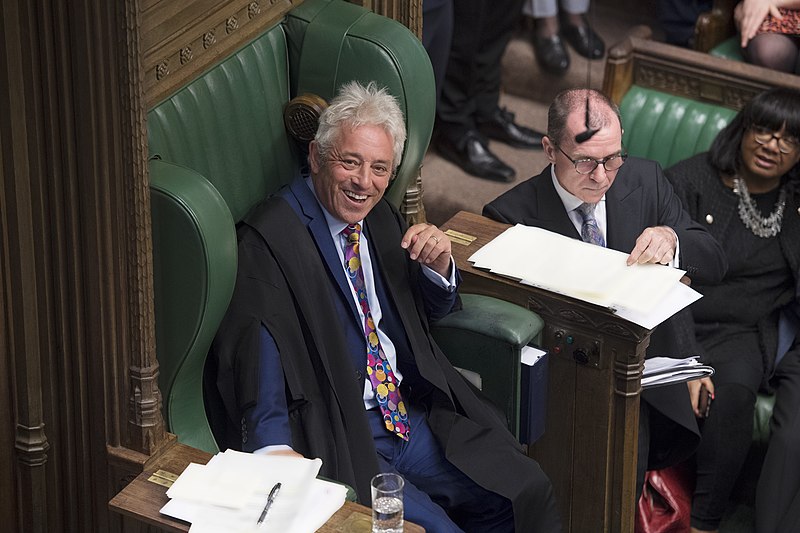

John Bercow Announces His Retirement

Remembering ‘The Minister’, aka Patrick Paines

William Cash | November 29, 2020

William Cash pays tribute to ‘The Minister’, his friend Patrick Paines, whose funeral service in the Canterbury Cathedral crypt, led by the Cathedral's Dean, took place today

Patrick Paines The Minsiter

Where next for Cain, Cummings and the rest?

Mace | November 20, 2020

Don't have too much sympathy for SpAds on the out. Leaving Whitehall is when the fun starts...
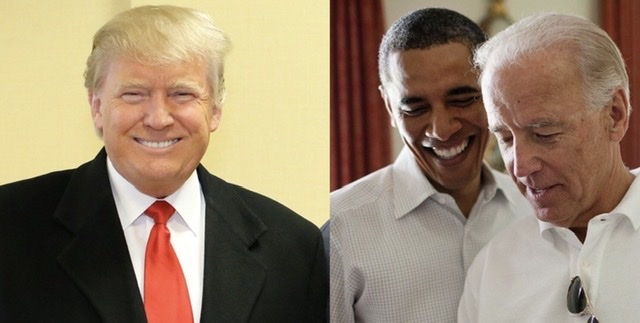
Team Trump v Team Biden: Family v Experience

Mace | October 19, 2020

As Trump's numbers soar in Florida ahead of the final Presidential debate on Thursday, the Mace considers the sea of difference between the Biden and Trump campaign
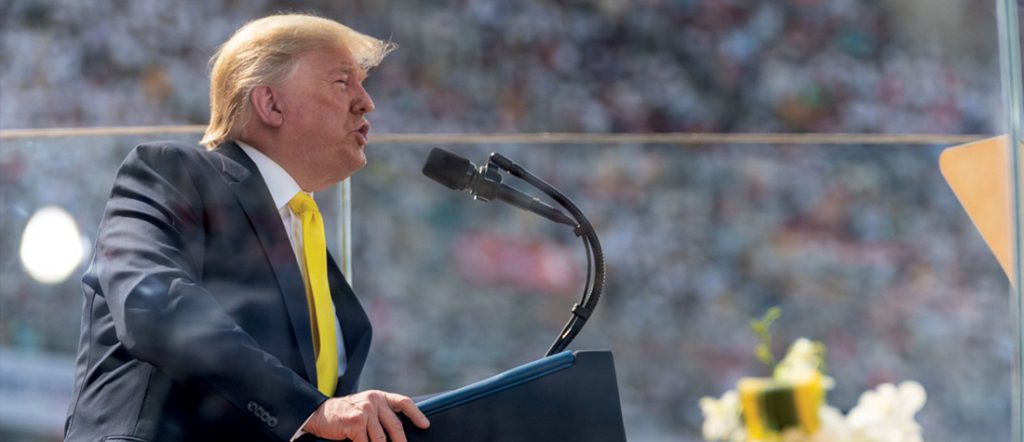
Why religion may still decide the US election

William Cash | October 16, 2020

'Religion was the elephant in the room' at last night's Presidential town hall showdowns. It may yet decide the election, says William Cash
Why Merkel does it better

John Kampfner | October 15, 2020

As Boris goes from one blunder to the next, the German chancellor has kept the virus under control, says John Kampfner