EU Lawmakers Seal Overhaul of Pharmaceutical Rulebook

Mace | 12th December 2025 | Brussels, International, Lobbying
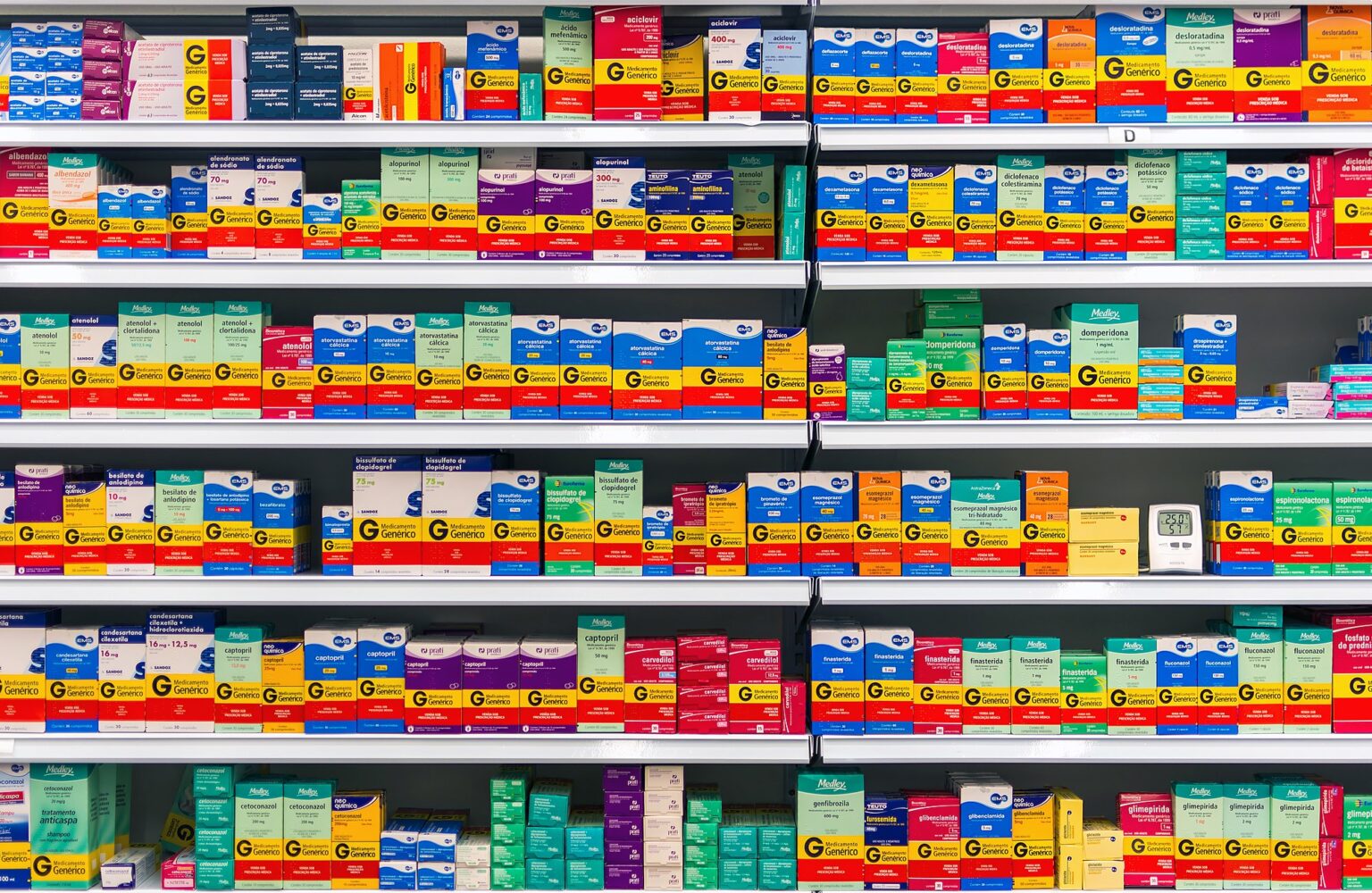
Pharmacie_in_Paulista_Avenue

European legislators agree major reforms to medicines law, reshaping market exclusivity, boosting access, and tightening rules on shortages and antibiotics

European Union legislators have clinched an agreement on a sweeping overhaul of the bloc’s pharmaceutical policies after more than two years of negotiations involving the European Commission, the European Parliament and the Council of the European Union. The political agreement reached in early December represents the first significant revision of EU medicines law in over two decades and covers a comprehensive set of changes to how medicines are regulated, made available and supported across member states. The package is intended to increase access to medicines in the EU by modernising regulatory frameworks that had remained substantially unchanged for around twenty years. Under the provisional terms agreed by legislators, the reform will change rules on market exclusivity and regulatory data protection for new medicines, introduce measures to strengthen supply chains, and revise how shortages are monitored and managed across the Union. One of the central elements of the package involves adjusting the period of regulatory data protection and market exclusivity for pharmaceutical companies. The deal sets a baseline of eight years of data protection and one year of market protection for new drugs, with the possibility of extensions for medicines that meet specific innovation criteria or address unmet medical needs. Member states and industry representatives noted this as a key shift from earlier proposals. The updated rules also include provisions to support earlier entry of generic and biosimilar medicines. A revised version of the Bolar exemption in the legislation allows manufacturers to undertake certain preparatory activities during the exclusivity period so that lower cost alternatives can enter the market immediately once intellectual property rights expire. Another notable inclusion in the overhaul is a transferable exclusivity voucher system designed to encourage the development of priority antibiotics. The voucher gives companies that develop medicines to combat antimicrobial resistance the right to one additional year of market protection for a product of their choice under certain conditions. Legislators also agreed on a clause intended to prevent use of this voucher on high revenue blockbuster drugs to limit pressure on national healthcare budgets. The legislation aims to improve overall patient access by clarifying obligations on companies to supply approved medicines to EU countries and by mandating updated shortage prevention plans for key products. Regulatory authorities will be required to monitor shortages at both national and EU level and maintain lists of critical shortages. Beyond market exclusivity and access rules, the deal includes steps to simplify internal procedures at the European Medicines Agency. The reforms introduce a common format for electronic submission of marketing authorisation applications and make authorisations valid indefinitely unless safety concerns arise, removing the need for routine renewals under the existing framework. The provisional agreement must still be formally endorsed by the full European Parliament and the Council of the European Union and then published in the EU’s Official Journal before it becomes law. Once adopted and published, the new rules will enter into force with transitional periods for industry compliance. European institutions and health regulators welcomed the political breakthrough, noting that the reforms intend to create a more flexible and competitive pharmaceutical environment in Europe while strengthening safeguards against shortages and supporting innovation in areas of unmet medical need. Implementation work and guidance development are expected to follow in the coming months as stakeholders prepare for the new legal landscape. The deal represents a significant milestone in EU health policy, reflecting broader efforts to adapt long standing regulatory frameworks to current challenges in public health, innovation markets and patient access within the single market....

Subscribe to The Mace

Join the member community shaping British politics and stay ahead of what's really happening in the world of politics and public affairs, with expert analysis, breaking news, and insider insights from Westminster and Brussels. The Mace is the leading news source and resource for the government affairs industry, offering required reading and lobby intelligence for professionals.

To see what you are missing out on by not subscribing to The Mace, click here to download our full membership info-pack. This includes having no paywall on op-ed content or profiles/interviews, allowing professional profiles to be read with maximum impact and visibility by government, special advisers, MPs, peers, civil servants, and policy and political decision-makers.

Front and Centre of Brussels Hospitality

William Cash | October 5, 2020

Contemporary, quirky and classic, William Cash reviews the Hotel Amigo - a converted 16th-century prison with an award-winning Italian restaurant.


The Lesson of Munich

Tim Congdon | January 28, 2020

The Establishment has been wrong before, notes Tim Congdon. Is it so crazy, he asks, to think that it might be wrong again?

Diplomat from Down Under: George Brandis

Mace | January 24, 2020

Australia’s top envoy in London reflects on moving from politics to diplomacy and on the deep historical ties that bind his country with the United Kingdom.