Care bosses hit out as Covid inquiry finds NHS ‘coped but only just.’

Oliver Dean | 22nd March 2026 | Trade Associations
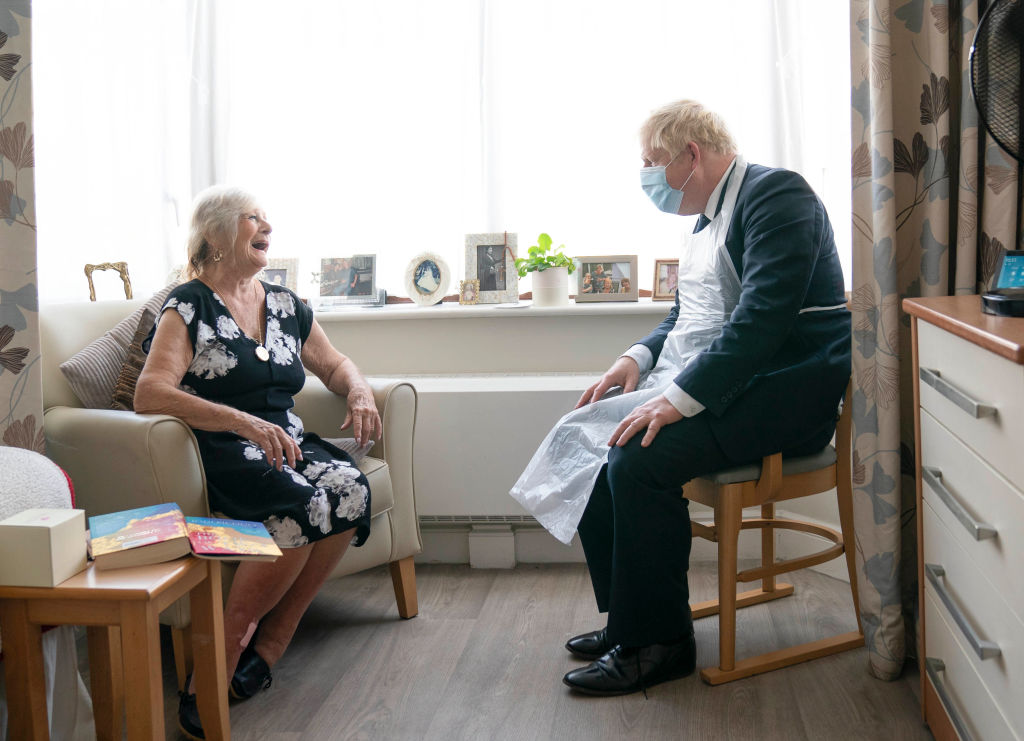
Boris Johnson oversaw the UK's response to COVID, which included policies for Care providers (Photo by Paul Edwards / WPA Pool / Getty Images)

Following a report from the UK Covid Inquiry, care providers have expressed their anger over the government's mismanagement of the pandemic.

The UK's healthcare systems came close to collapse during the Covid-19 pandemic and were saved only by the "almost superhuman" efforts of frontline staff, according to the third report of the UK Covid-19 Inquiry published last week. Trade bodies across the health and care sector are demanding urgent government action on its findings. Baroness Hallett's report, presented to Parliament on 19 March, concluded that the UK entered the pandemic "ill-prepared and with its healthcare systems in a parlous state," citing severe workforce shortages, an ageing hospital estate, insufficient bed numbers and high occupancy rates. Healthcare systems "teetered on the brink of collapse," the report found, surviving only due to the dedication of those working within them. The verdict has drawn a sharp response from the not-for-profit care sector, with the National Care Forum (NCF) arguing the inquiry's framing understates the true scale of failure. "The NHS only 'coped' by shutting out the vast cohorts of people who were receiving care and support - that is not coping, that is prioritising the care of some over others," said NCF chief executive Vic Rayner. "Older and disabled people across a range of different types of care and support were simply not able to access the routine and emergency healthcare they needed." Rayner pointed to a litany of problems reported by NCF members during the pandemic. For instance, patients were not admitted when they should have been, there were delayed or absent ambulances, rushed and unplanned discharges contrary to patients' interests, difficulties accessing clinical expertise, and inadequate guidance for those shielding. The NCF also raised serious concerns about two areas it says the report fails to address with sufficient clarity. On visiting restrictions, Rayner argued that guidance alone is insufficient, calling instead for a statutory right to a "Care Supporter" - a trusted person able to provide advocacy in health and care settings. The campaign, backed by over 100 organisations through Care Rights UK, is known as "Gloria's Law." More starkly, however, Rayner condemned the use of blanket Do Not Attempt Cardiopulmonary Resuscitation (DNACPR) orders applied to people with learning disabilities and older patients without individual assessment or family involvement. "There was no excuse for this practice, and the fact it persisted through the pandemic, despite our warnings, is incredibly concerning," she said, adding that the report's recommendation for a standardised advance care planning process "won't deal with the clear cultural problem" in how the health system treats older and disabled citizens. The wider health lobby echoed many of these concerns. The NHS Confederation and NHS Providers said in a joint response that the inquiry had "confirmed that the NHS entered the pandemic overstretched, ill-prepared, and at points came close to collapse," warning that many of the challenges facing the NHS in 2019 remain unresolved. Other bodies have hit out as well. BMA council chair Tom Dolphin said Baroness Hallett's findings vindicated many of the concerns the BMA had raised both in its evidence to the inquiry and in subsequent lobbying, but warned that the government would need to go beyond the report's ten headline recommendations if the health service is to be ready for a future pandemic. UNISON's Covid lead Sara Gorton was more direct, describing the pandemic as "a shameful story" of an NHS left ill-prepared, leaders who failed to act, and a procurement scandal that saw public money wasted "at a time when staff were giving everything, in some cases their lives." For the not-for-profit care sector, the publication of Module 3 is only the opening chapter. With Module 6 still to come, organisations like the NCF are watching closely to see whether Baroness Hallett will go further than she has so far....

Subscribe to The Mace

Join the member community shaping British politics and stay ahead of what's really happening in the world of politics and public affairs, with expert analysis, breaking news, and insider insights from Westminster and Brussels. The Mace is the leading news source and resource for the government affairs industry, offering required reading and lobby intelligence for professionals.

To see what you are missing out on by not subscribing to The Mace, click here to download our full membership info-pack. This includes having no paywall on op-ed content or profiles/interviews, allowing professional profiles to be read with maximum impact and visibility by government, special advisers, MPs, peers, civil servants, and policy and political decision-makers.

‘Drill, baby, drill’ is not a long-term strategy, bodies warn.

Pablo John | March 19, 2026

Whilst oil and gas may seem like seductive choices, the government must look beyond the soundbites, warns Pablo John.


Logistics body sends an important reminder to the government

Edwin Morgan | March 19, 2026

Despite the importance that logistics and supply chains carry in Britain's economy, the government routinely ignores the significance of the sector, argues Edwin Morgan

Maritime trade bodies warn of citizens being caught in Iranian crossfire

Oliver Dean | March 12, 2026

As the Iranian conflict continues, maritime trade bodies have warned of the significant loss of human life thus far.

Trade bodies warn of “market distortion” in wake of Reform’s Sovereign Wealth plan

Mace | February 25, 2026

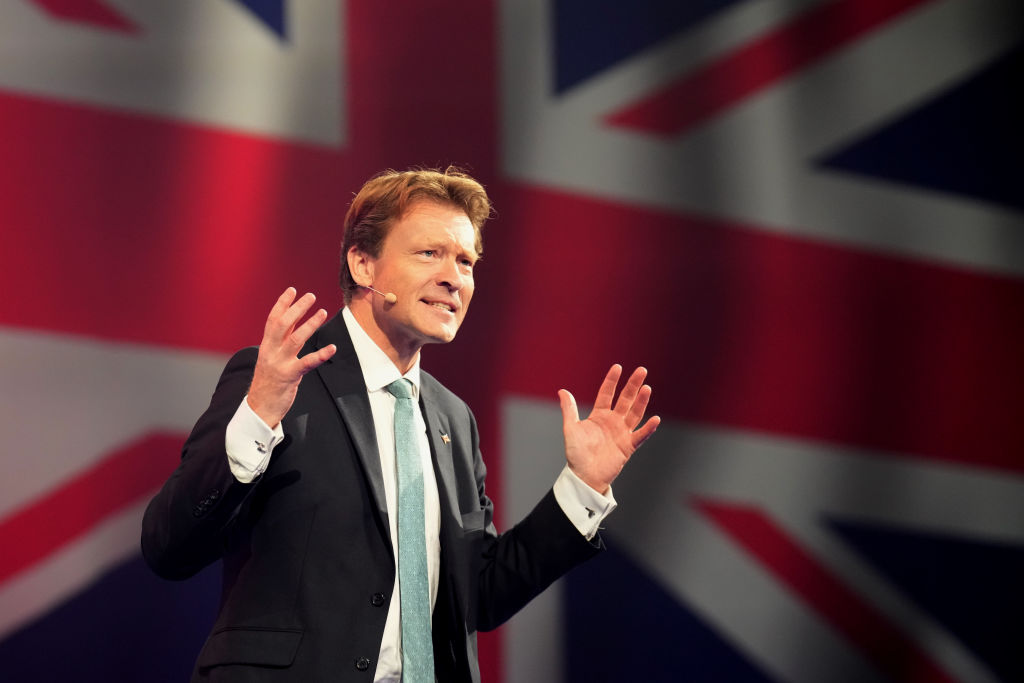
As Reform's 'Shadow Cabinet' begins to develop, Richard Tice sets out the party's policy on a British sovereign wealth fund plan.
Corporate Affairs Awards 2026 shortlist revealed — spotlight on public affairs newcomers

Mace | February 17, 2026

The shortlist for the 2026 Corporate Affairs Awards has been unveiled.
Trade body describes the Government’s new electric HGV plan as a ‘monumental challenge’

Oliver Dean | February 17, 2026

With only 1 in 70 new HGV's being electric, the government must assist with infrastructure investment says industry leader

Trade bodies criticise Blair’s support of North Sea drilling

Oliver Dean | February 13, 2026

The Tony Blair Institute for Global Change has published a paper, recommending the expansion of drilling operations in the North Sea. The move challenges the government's position of

Leading energy trade body calls for permanent tax regime

Thomas Edwards | February 12, 2026

The Offshore Energies UK (OEUK, the leading trade association for the UK’s offshore energy industry association has issued an open letter to the government calling for a permanent

Trade bodies press ministers to toughen procurement reforms on standards

Thomas Edwards | February 9, 2026

Trade bodies and unions in the UK construction and engineering sectors have called on ministers to revise the government’s latest procurement reforms to strengthen standards and address what

Welsh business groups say 15 per cent rates relief falls short

Mace | February 9, 2026

The Welsh Government’s announcement of a 15 per cent business rates discount for pubs, restaurants, cafés and live music venues in Wales has prompted immediate reactions from the