Why Burnham’s energy VAT cut will make a difference
Cameron Brown, a former special advisor to the Chancellor of the Exchequer, explains why Burnham's VAT cut on energy bills is a measure people will actually notice.


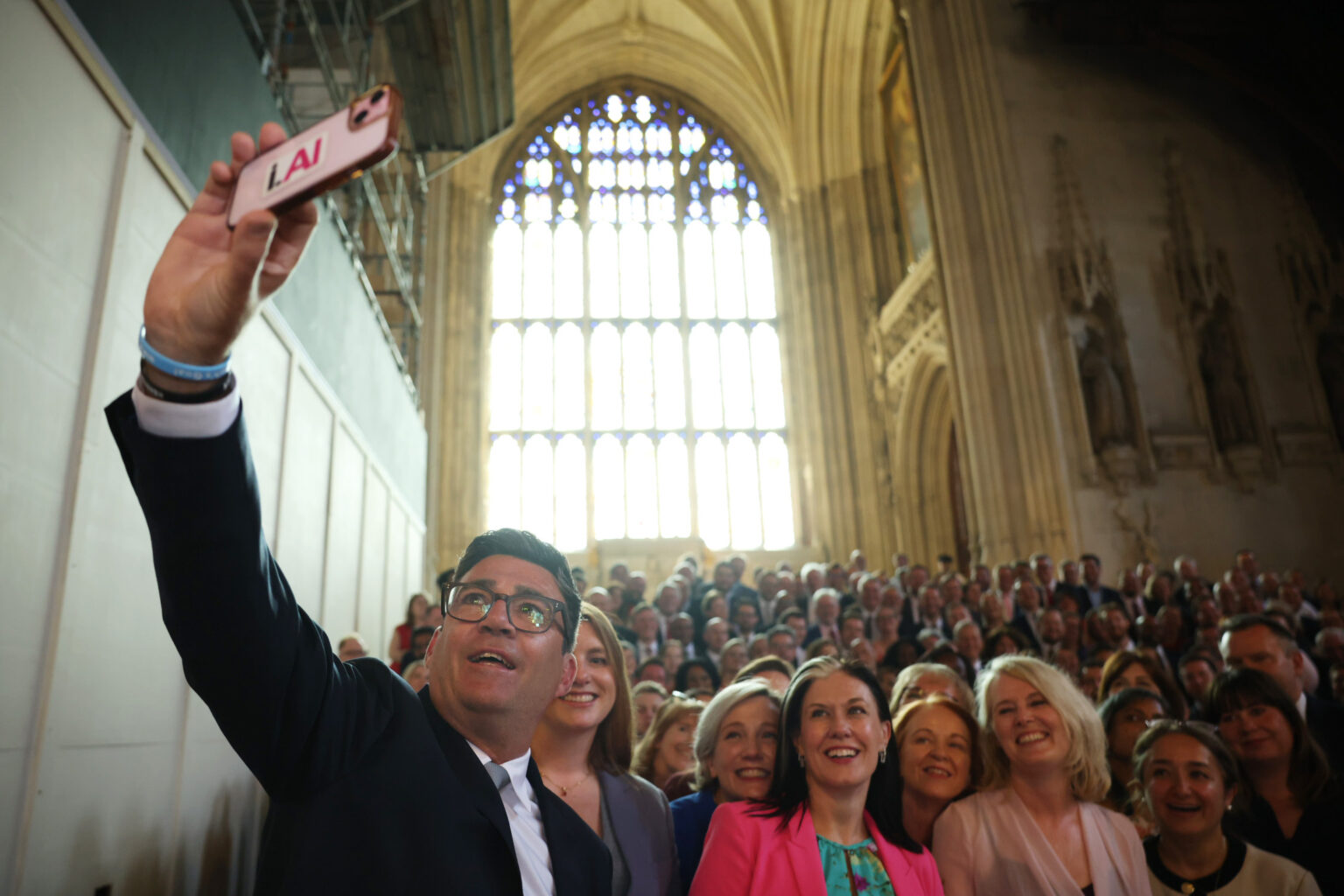
Andy Burnham wants an immediate coronation, but life in Westminster would quickly expose the limits of popular appeal built from a safe distance.
After an overwhelming victory in Makerfield, Andy Burnham’s win has served as a ‘proof of concept’ for his political potential. Now, the King of the North advances towards the top seat of Westminster, and Sir Keir has reluctantly bowed out of the way. However, campaigning on a promise to turn the country around is the easy part, following through is another matter.
As it stands, Burnham relies on popular appeal. That said, history shows us that political popularity has a limited shelf life once in power. Political scientists call this “The cost of ruling”. This is the observation that governments tend to become gradually less popular once they take office. The simple reason is that governing means making difficult choices, disappointing voters, and taking responsibility for events that are often beyond your control. As governments become less popular, a downstream consequence is that backbenchers – keen to distance themselves from an unpopular leadership and protect their own political futures – become more rebellious and willing to defect. Arguably, this is what happened to Sir Keir, and Burnham is unlikely to prove an exception.
“It’s not personal; it’s just democracy.”
What this means is Burnham will have to move quickly to establish a clear political identity and a record of achievement, because the popularity he currently enjoys will not last forever. It’s not personal; it’s just democracy.
In fact, the tensions associated with the cost of ruling are already starting to seep into Burnham’s leadership before it has even begun. There has already been angst amongst Labour that he will appoint his long-term ally, Ed Miliband, to be Chancellor of the Exchequer. Currently, Miliband is the favourite for the role over Wes Streeting, former Health Secretary, and Shabana Mahmood, the Home Secretary.
However, Miliband has already been the target of hostile briefings by cabinet colleagues who assert he is not pro-business enough and will undermine market confidence if appointed. Nevertheless, Miliband’s allies strongly reject these claims stating he is the only candidate with the ‘experience’ and ‘vision’ to deliver necessary economic change.
“Moving on from Reeves’ troubled time as chancellor, conflict over the appointment of Miliband might continue the psychodrama that Labour promised to leave behind.”
A member of Burnham’s team explained: “There is absolutely a recognition that there needs to be immediate stability and widespread comfort when the changeover happens”. They added: “There are some people that offer that — but Ed isn’t one of them.” Moving on from Reeves’ troubled time as chancellor, conflict over the appointment of Miliband might continue the psychodrama that Labour promised to leave behind.
The change in leadership will result in a series of major policymaking delays. The defence investment plan, which led to the resignation of ministers John Healey and Al Carns, is likely to be delayed until Burnham is prime minister as he said he wants to examine the plans and make the decision himself. Furthermore, a major Brexit summit that Starmer wanted to use to reset relations between the EU and UK has been postponed. The impact of these delays is uncertain, but whatever the consequences, they will fall on the early days of the Burnham government.
This is not helped by the fact that Burnham would have only a matter of months before delivering a tricky budget. Autumn’s budget will be the ultimate test of his salesmanship to both the party and the public. Furthermore, it will reveal how he balances loyalty to the elected manifesto with a vision for the future.
“An uncontested path to leadership is not without drawbacks.”
As Burnham is poised to become the seventh prime minister in the space of just over a decade, Labour faces two options: propose a leadership contest which could be ‘messy’ and ‘expensive’, or hand him power without contest which would raise questions over his legitimacy. Professor David Marshall, of the Department of Politics and International Relations at the University of Reading, said: “An uncontested path to leadership is not without drawbacks. It will likely limit the opportunities for robust policy debate and scrutiny, while also denying Burnham of the chance to strengthen his legitimacy through a competitive election victory, as opposed to a ‘coronation’.”
MPs are urging Darren Jones, the Chief Secretary to Keir Starmer, to run against Burnham to avoid a coronation. The MP for Bristol North West is said to be ‘reluctant’ but insiders say he would look at Burnham’s economic plans before making a decision.
One MP backing Jones said: “Many in the party know that Andy Burnham’s policies are at best the same policies that we put to the electorate in 2010, 2015, 2017 and 2019. Every time, the electorate rejected them.”
They added: “Unlike all other potential candidates, Darren Jones has both the economic and national security experience we would expect from a PM and represents continuity in both those successful areas. But he also represents a generational break from most other candidates, has national rather than regional appeal, and is a proven media performer.”
Only the coming weeks and months will reveal the true cost of ruling for Burnham. However, what is clear is that he must make wise and swift choices about his cabinet and policy direction before his King over the Water persona times out for good.
Cameron Brown, a former special advisor to the Chancellor of the Exchequer, explains why Burnham's VAT cut on energy bills is a measure people will actually notice.
New Prime Minister Andy Burnham has an opportunity to make Britain the best place to start and scale a business, argues CEO Liam Houghton.

The strangely guilty way that the media, and some politicians have reacted to Widdecombe’s shocking death shows the double standards that can operate when a politician of the

James Purnell’s return to frontline politics is more than a nostalgic Blair-Brown era reunion. As Andy Burnham builds his Downing Street operation, public affairs professionals will need to

The death of Ann Widdecombe raises serious questions about the security of high-profile politicians. The shocking episode seems out of Midsomer Murders with the former Tory minister being turned into
Beatriz Santos argues that both scientific evidence and lived experience should remain the foundation of policymaking, especially for understanding how people succeed in quitting cigarettes.

The former head of the Foreign Office is now taking legal action, putting the government's treatment of senior civil servants under fresh scrutiny.

Overhauling the Tory candidates list is a shrewd political move which will allow her to put her own stamp on the party, and more importantly, shape its future,

After Andy Burnham's first major speech since the resignation, devolution has been the word on everyone's lips - Gill Morris explains why it's the way forward.

Amid the frenzy over who Burnham will choose as his chancellor, his shrewd appointment of Caroline Simpson to lead No. 10 North has been overlooked.
