The European Commission launches a public consultation to update EU Arctic policy amid climate pressures and rising geopolitical stakes.
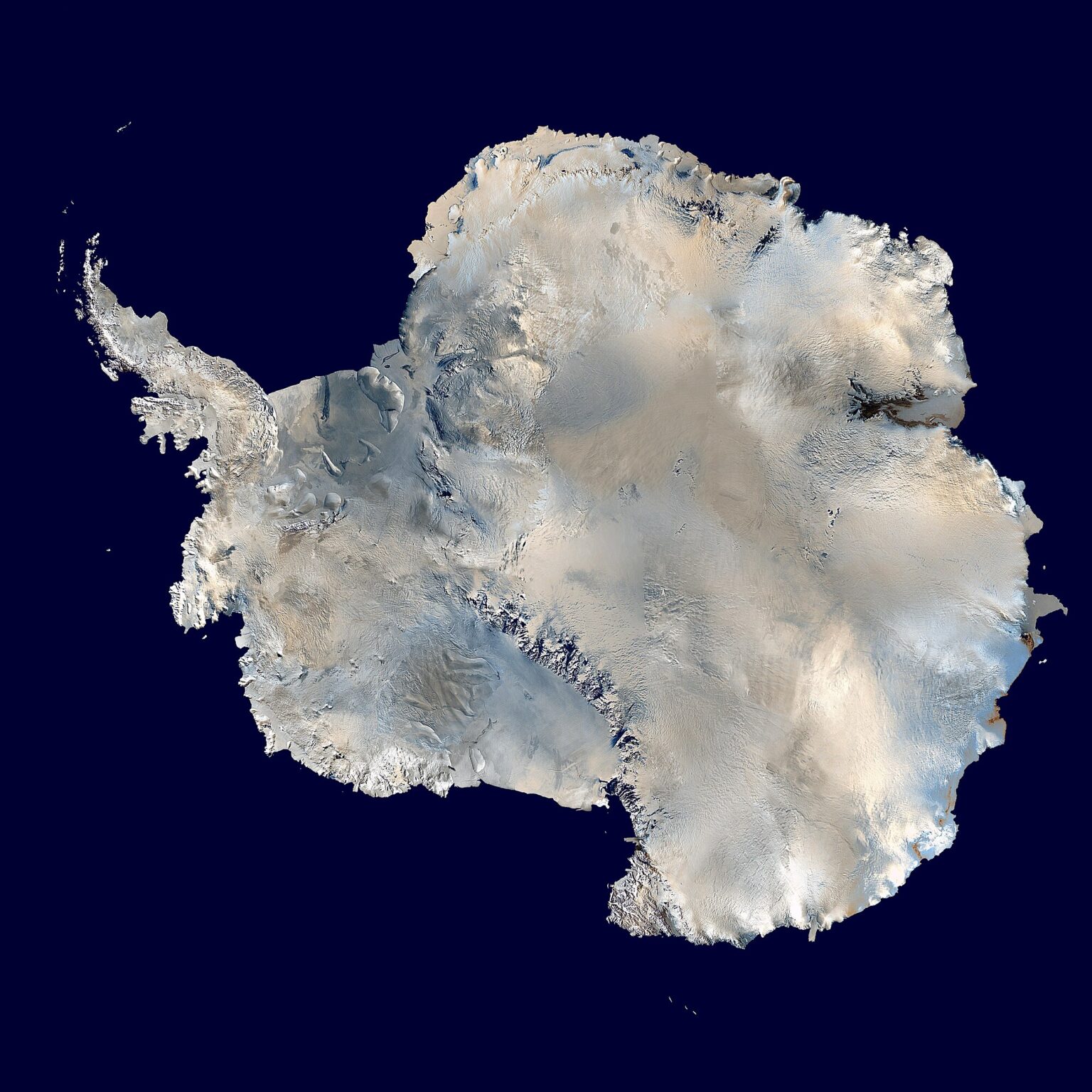
Brussels is reopening its Arctic playbook. The European Commission has launched a call for evidence and a public consultation to update the EU’s Arctic policy, arguing that the region’s fast shifting climate, economics and security picture has outgrown the last set of assumptions. The exercise is meant to feed into a refreshed policy line that can steer everything from environmental standards to research funding and external relations in Europe’s northern neighbourhood, where the EU is not an Arctic state but is increasingly an Arctic actor.
The Commission has set a clear timetable. Stakeholders have until 16 March 2026 to submit views, with the consultation pitched at a broad coalition that includes EU member states, Indigenous and local communities, industry, civil society and academia. Officials say they want practical feedback on the main fault lines: climate change impacts, sustainable development, environmental protection, security questions and international cooperation. Any follow up action, the Commission stresses, will be shaped by what comes back through this process rather than pre cooked in advance.
The review also reflects a political nudge from the top of the Commission. The launch note ties the initiative to a pledge by the Commission President to revisit the EU Arctic policy and make it fit for current and future challenges. That matters because the EU’s Arctic agenda sits across portfolios that do not always move in lockstep, from maritime affairs and fisheries to energy, climate, research, transport and foreign policy. A formal update can help the EU align internal rules with external messaging, especially as Arctic debates increasingly intersect with supply chains and strategic resilience.
Underneath the procedural language is a recognition that the geopolitics have changed since the EU’s 2021 Joint Communication on the Arctic. Cooperation through the Arctic Council has been strained since Russia’s full scale invasion of Ukraine, and Europe’s security map has tightened as NATO expanded northwards. Those shifts have pushed Arctic questions closer to the mainstream of European foreign and security discussions, even as the Commission keeps the consultation framed around a mix of sustainability and stability. The result is a policy review that is as much about positioning as it is about permafrost.
Substance wise, the EU already has a footprint in the region that goes beyond diplomacy. EU external action documents set out priorities such as cutting pollutants that accelerate Arctic warming, including black carbon, and backing a shift away from diesel in remote communities through renewables. The EU also funds polar research and monitoring networks that feed into evidence based policymaking, a theme the Commission is now explicitly asking stakeholders to strengthen with concrete input. In Brussels terms, the consultation is also a chance to stress test whether existing tools are delivering on stated ambitions.
The Commission is signalling that it wants the next Arctic policy to land as a Joint Communication in the second half of 2026, meaning it will likely be co owned with the EU’s diplomatic service and designed to travel across internal and external policy lanes. For Arctic stakeholders, the short term question is how loudly they can shape the draft before it hardens into a final text. For the EU, the bigger test is whether it can keep climate credibility, economic interests and security realities in the same frame without the policy collapsing into vague goodwill....
Subscribe to The Mace
Join the member community shaping British politics and stay ahead of
what's really happening in the world of politics and public affairs,
with expert analysis, breaking news, and insider insights from
Westminster and Brussels. The Mace is the leading news source and
resource for the government affairs industry, offering required
reading and lobby intelligence for professionals.
To see what you are missing out on by not subscribing to The Mace, click here to download our full membership info-pack. This includes
having no paywall on op-ed content or profiles/interviews, allowing
professional profiles to be read with maximum impact and visibility by
government, special advisers, MPs, peers, civil servants, and policy
and political decision-makers.
Thousands of farmers descended on the streets of Strasbourg and other European cities this week ahead of a key vote in the European Parliament on the controversial trade
The Russell Group has picked Professor Libby Hackett, an Australia based public policy specialist, as its next chief executive, handing the UK’s most influential research university lobby to
Davos is meant to be the place where the global public affairs class can compress a year of stakeholder management into five days, with a badge, a diary,
New EU rules aim to speed up and align chemical safety assessments, reducing duplication between agencies while maintaining health and environmental protections