Britain’s cleantech companies aren’t starving for capital. They’re starving for commitment

Sarah Mackintosh | 10th April 2026 | Comment
Cleantech has received significant investment, but is lacking proper commitment (Photo by Christopher Furlong/Getty Images)

The funding gap is real, but it isn't a shortage of money. It's a shortage of accountability for not deploying it, writes Sarah Mackintosh.

If you work in British cleantech, you know the feeling. A company with proven technology, a credible team and a clear market opportunity spends months, sometimes over a year, in funding conversations. Meetings are positive. Interest is real. Then the process slows. Decisions are deferred. Reasons, when they come, are thin. Ask around, and everyone has a theory about whose fault it is. Investors say that the companies are too early. The companies say that the investors are too cautious. Government points to the private sector. The private sector points back at a public sector that is unwilling to share the risk it is asking others to take. Each diagnosis is, in its own way, correct. That is precisely the problem. What looks like a cleantech funding gap is actually a coordination failure baked into the architecture of British capital markets, and it will not be solved by asking any individual player to behave differently. Most actors in this system are behaving rationally given their con...

Subscribe to The Mace

Join the member community shaping British politics and stay ahead of what's really happening in the world of politics and public affairs, with expert analysis, breaking news, and insider insights from Westminster and Brussels. The Mace is the leading news source and resource for the government affairs industry, offering required reading and lobby intelligence for professionals.

To see what you are missing out on by not subscribing to The Mace, click here to download our full membership info-pack. This includes having no paywall on op-ed content or profiles/interviews, allowing professional profiles to be read with maximum impact and visibility by government, special advisers, MPs, peers, civil servants, and policy and political decision-makers.


Getting meta all the time

Damian Collins MP | January 19, 2022

An extended reality world where people are more cut off from human interaction is a real cause for concern


A strategy for nations’ best interests

Gérard Pogorel | January 18, 2022

True strategic autonomy will do much to strengthen the global economy for the EU and its allies
Sustainable technologies in agriculture will be key to EU Africa partnership

Jerome Barbaron | January 17, 2022

Agricultural inputs and technology can and should be a core part of delivering sustainable development in African agriculture

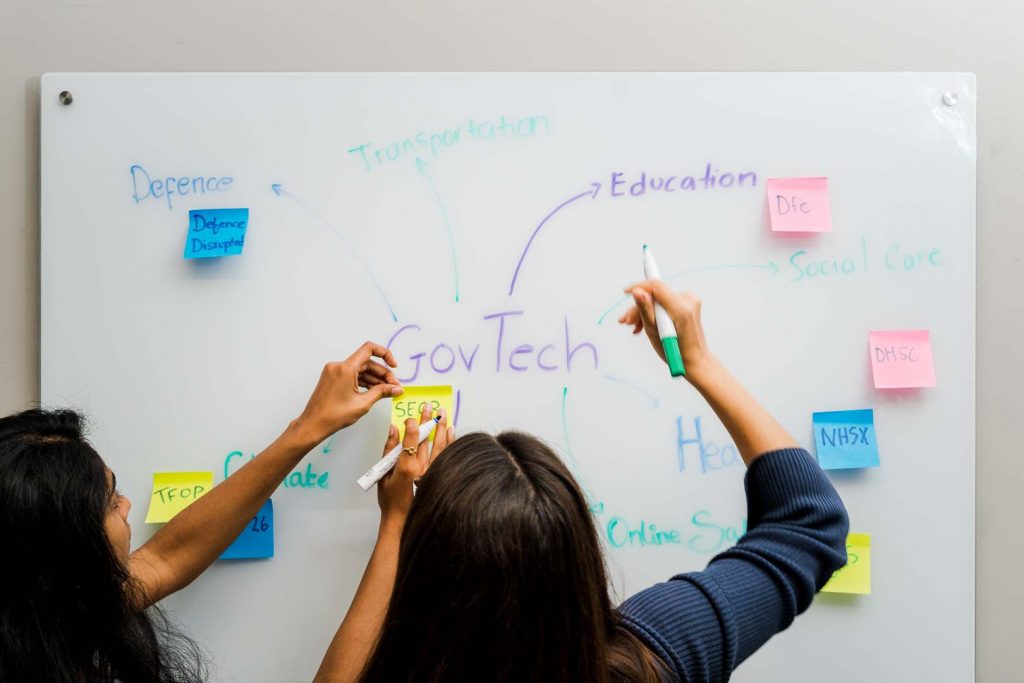
Is GovTech the new FinTech?

Naweed Khan | January 17, 2022

Daniel Korski, CEO and co-founder of PUBLIC, is closing the gap between technology and government
An MEP on… Why Europe must find itself

Marton Gyongyosi MEP | January 14, 2022

Democracy is under attack in Europe

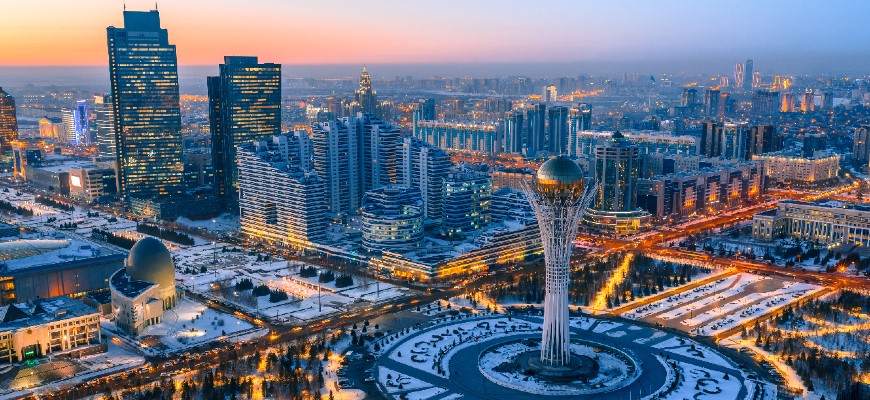
Troubles in Kazakhstan; a realpolitik test for the West

Afzal Amin | January 11, 2022

It is in the West's interest that Kazakhstan's significant advances of the last 30 years are maintained, argues Afzal Amin
How to programme the future

Karlo Ressler | January 10, 2022

Modern technologies could make the world a better place - or they could do the exact opposite

Bottling up the emotions

Chris Bryant | November 23, 2021

Richard Coles’s moving account of his partner’s death would benefit by exploring the havoc alcohol can wreak on families

An appetite for diplomacy

Lucy Kenningham | November 18, 2021

With the right ingredients, gastrodiplomacy in Brussels is proving to be the ideal conversation starter for ministers within and beyond the EU

Zuckerberg’s about-faces

Damian Collins MP | November 15, 2021

Damian Collins enjoys an expert examination of Facebook’s murky relationship with free speech