Sweet Success: A Healthier ‘Back to School’ Approach for Better Focus

Adam Solomons | 15th September 2023 | Comment
Classroom_setting

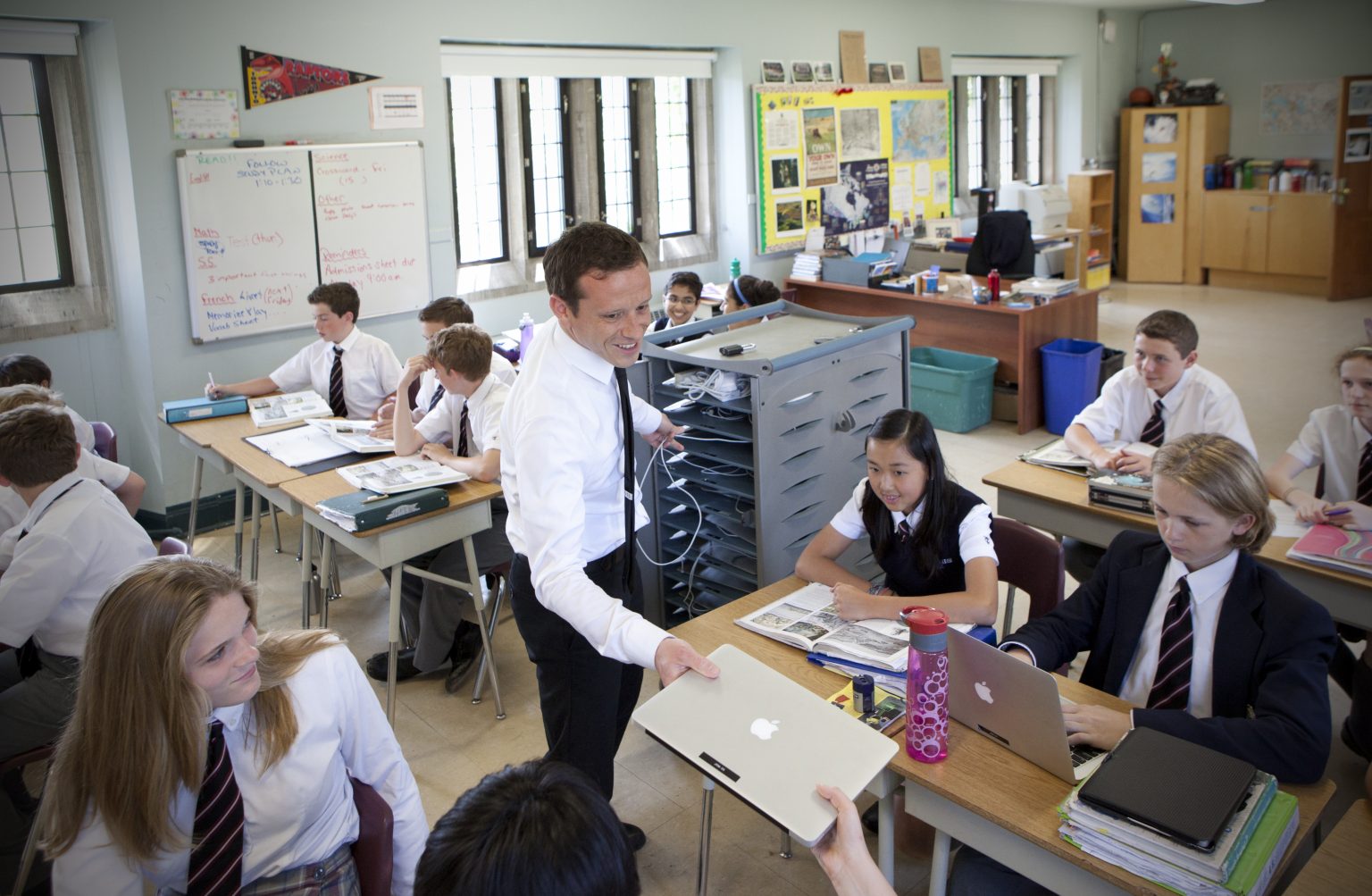
Ensuring a Healthy Start: As school season begins, it's essential to consider the often-overlooked connection between oral health and academic success

Now that the ‘back to school’ season is in full-swing, parents and teachers around the country will be looking for ways to get their kids off to a good start in the new academic year. Expensive tutors, fresh uniforms, and elaborate ‘healthy’ lunchboxes will abound. Yet one factor which is often overlooked in these fevered preparations is nevertheless a crucial one for optimal functioning: oral health. In recent years a growing body of research has emerged linking oral health problems (like tooth decay and gum disease) with a range of whole-body issues – including diabetes, cardiovascular disease, and even clinical depression and anxiety. Some studies have also suggested that tooth pain and caries could be associated with absenteeism and stunted achievement in schools. Perhaps this is unsurprising. After all, the challenges of study coupled with the daily stresses of teenage life is difficult enough for young people to cope with. Add acute oral discomfort into the mix, and this burden gets even harder to deal with. Protecting young people’s oral health is therefore an important priority, however views inevitably differ on the best ways to achieve this. In recent years, the debate amongst parents and schools has tended to fixate on the acute dangers of dietary sugar, and for very good reason. As any dental professional will tell you, sugar poses a significant threat to the long-term health of the mouth, and most of us consume far too much of it in our daily lives. By acting as a food source for cavity-causing bacteria in the mouth, sugar contributes to the demineralisation of tooth enamel and raises the likelihood of developing oral disease. The bacteria primarily responsible for this is called streptococcus mutans; related to the bacteria which causes strep throat. When interacting with sugar, it produces a harmful acid which makes the saliva of the mouth more acidic. In high levels, this can overwhelm regular saliva – the body’s natural defence against bacteria – compromising the long-term integrity of the teeth and gums. Of course, getting this message across to young people is exceedingly difficult. Oral health awareness campaigns in schools, coupled with a general crackdown on sugar in school meals, has had some impact. Yet the reality is that most kids know exactly how to get their sugar fix when they need it. In a world where all sorts of fizzy drinks, chocolate bars, and sugary pastries are only a short walk or bus ride away, hectoring kids to ‘take care of your teeth’ will only get us so far. Instead, parents should focus on those small, simple adjustments they could make to their kids’ diets which would not require a huge behaviour-shift. One example would be making the leap from high-sugar snacks to healthier alternatives – such as fruit, cheese, or even sugar-free chewing gum (SFG). In contrast with sugar, the sweeteners used in products like SFG are non-fermentable, meaning they cannot be used as a food source by bacteria. Equally, by stimulating the production of saliva through chewing, sugar-free snacks help to remineralise the mouth by lowering overall levels of acidity. A small change like adding SFG into your kids lunchbox could make a huge difference for their oral health. A recent report from Frontier Economics suggests that if most people chewed sugar-free gum three times a day, it could prevent 180,000 fillings per year. For young people, this would mean less days off school due to dental problems, and less distractions in class due to gum or tooth ache. Nor do the benefits stop at the mouth. Research suggests that the habit of gum-chewing can also provide a boost in mental focus as well. One study found that chewing two pieces of gum for 20 minutes a day reduces reported levels of stress, even under a heavy workload. Unfortunately, during exam season many students often resort to unhealthy stimulants to get by – such as caffeinated energy drinks and sugar. In extreme cases, they may even use study drugs like Adderall or Ritalin. These methods for increasing concentration and focus may be effective in the short-term, but over time they will wear down the body and potentially the teeth as well. Alternative focus-aids like ginseng, black coffee (in moderation), and SFG are far healthier options, and could be promoted in schools as exams approach. Whilst chain-chewing might not be the most intuitive way to tackle stress and improve focus, it is still a far better option than plying the body with unhealthy stimulants like caffeine or sugar. Given the many potential costs of developing chronic dental problems in school, this is an area which parents and teachers cannot afford to neglect. Happily, sugar-free alternatives to sweet snacks and drinks offer a way to bolster young people’s oral health without denying them their favourite treats. In other words, they allow them to have their sweets and keep their teeth too. Dr Victoria Sampson is a Functional Dentist and co-founder of The Health Soc...

Subscribe to The Mace

Join the member community shaping British politics and stay ahead of what's really happening in the world of politics and public affairs, with expert analysis, breaking news, and insider insights from Westminster and Brussels. The Mace is the leading news source and resource for the government affairs industry, offering required reading and lobby intelligence for professionals.

To see what you are missing out on by not subscribing to The Mace, click here to download our full membership info-pack. This includes having no paywall on op-ed content or profiles/interviews, allowing professional profiles to be read with maximum impact and visibility by government, special advisers, MPs, peers, civil servants, and policy and political decision-makers.

The UK’s unwritten constitution: There are no real rules

Mark Leftly | June 23, 2026

The timing and in what circumstances a leader should stay or go are in flux, argues Mark Leftly.

Britain is drifting towards Italian-style instability — it is time to learn from America 

Lucy Carrier-Pilkington | June 23, 2026

Love or hate the current American administration, at least they have a consistent electoral cycle where the choice of the electorate is upheld.  

Burnham’s popularity bubble is doomed to pop  

Lucy Carrier-Pilkington | June 23, 2026

Andy Burnham wants an immediate coronation, but life in Westminster would quickly expose the limits of popular appeal built from a safe distance. 

Hail Andy, King of Makerfield 

William Cash | June 19, 2026

As vultures circle Downing Street, now that Burnham is back as an MP, Starmer must realise that resigning is going to be better for the Labour Party than

Musical chairs again in Downing Street

Lucy Carrier-Pilkington | June 18, 2026

What will a Burnham government look like ? Lucy Carrier-Pilkington analyses what a change of prime minister will mean for the country and who will be the likely

Reform v Restore: the English civil war in Makerfield that will decide the next Labour prime minister

William Cash | June 15, 2026

With Restore and Reform tearing votes off each other, the Makerfield by-election could propel Andy Burnham into Number 10. But, asks William Cash, will Restore's percentage of the

Memo to the new Defence Secretary before the NATO summit: “It’s not all about the money”

Mace | June 12, 2026

Creating a Defence Industrial base with no new money is going to be a challenge for any Defence Secretary. But, argues defence expert William Wallace, there are several

When it comes to English police reform, do not repeat the mistakes made north of the border

Mace | June 5, 2026

The dismal results of reducing the police force in Scotland should act as a cautionary deterrent for English police reform, writes Sharon Dowey, a former member of the

Checkmate DC’s bold London move

William Cash | June 5, 2026

Tristan Breijer is the new London head of Checkmate Government Relations. The move into London gives the US lobby firm its first European base, bringing its global power-broking

Gradually and suddenly: how VAT is slowly killing off traditional private education

Mace | June 5, 2026

Latest Dept of Education figures reveal over 40,000 independent school pupils dropping out since Labour's VAT raid. But, The Mace argues, surging fees, an arms race for facilities