UK and India strike ‘landmark’ trade accord amid strategic realignment

Mace | 6th May 2025 | Uncategorised
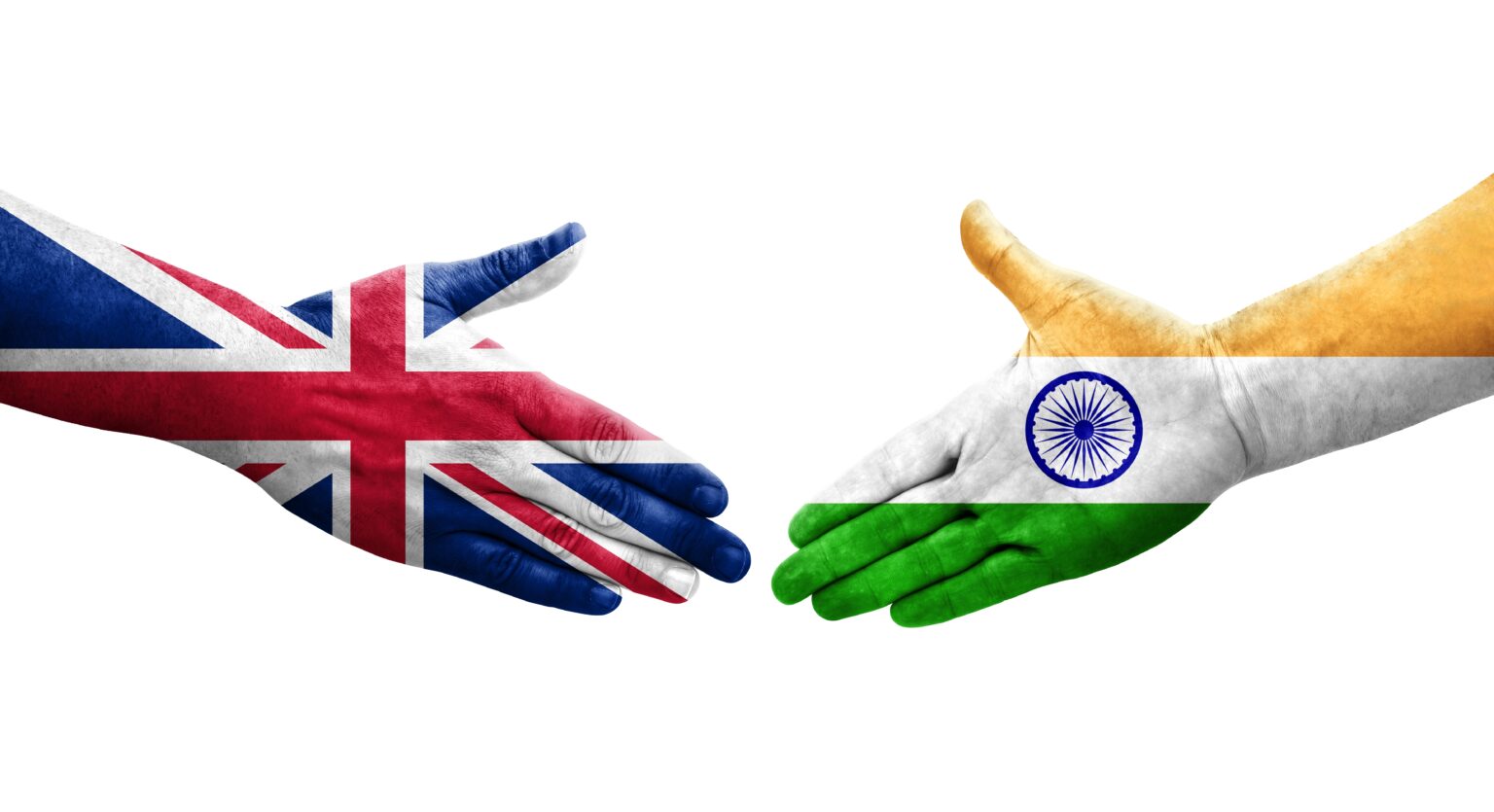
Handshake,Between,India,And,United,Kingdom,Flags,Painted,On,Hands,

The UK and India have signed a landmark free trade agreement, reducing tariffs on goods like whisky, cars, and textiles, while expanding market access for services. The deal strengthens post-Brexit UK trade strategy and enhances India's global economic position, boosting bilateral trade by £25 billion by 2040.

UK–India Trade Deal Secures Tariff Gains, But Enforcement Gaps Persist The United Kingdom has signed a trade agreement with India, touted by Downing Street as the most significant bilateral deal since Brexit. The agreement, concluded on 6 May, comes after three years of on-off negotiations and forms part of the government’s broader effort to diversify trade relations away from the European Union. The agreement offers reduced tariffs on a limited range of British exports. Duties on Scotch whisky and gin, currently at 150 per cent, will fall to 40 per cent over ten years. UK carmakers will see a new quota-based regime that lowers automotive tariffs to 10 per cent. Agricultural goods including lamb, salmon and chocolate will also benefit from phased reductions. India gains full tariff elimination on textiles and garments, a politically sensitive sector in several British regions. The UK has also agreed to drop national insurance requirements for certain Indian service workers on assignment, a long-standing Indian demand. Customs procedures in pharmaceuticals, digital services and financial markets are to be streamlined under new regulatory memoranda. [The Times] Though styled as reciprocal, the deal delivers greater material benefit to India. The UK offers full tariff elimination on Indian textiles and eases worker mobility, while India’s headline concessions—such as cutting spirits tariffs—are phased over a decade and capped by quotas. Treasury estimates a long-term GDP gain of just £4.8 billion, equal to less than 0.1 per cent of output. Projected trade increases of £25 billion are nominal, unadjusted for inflation, and based on static models. The agreement includes provisions on labour rights and environmental standards, but these are not enforceable through the formal dispute resolution process. Civil society organisations have criticised the omission, warning of weak accountability in sectors vulnerable to exploitation. Talks began under Boris Johnson in 2022 but repeatedly stalled amid changes in Conservative leadership and India’s electoral calendar. The final text was agreed during Keir Starmer’s first full quarter in office. Trade officials have indicated that the deal is intended as a template for further bilateral pacts, including one with Indonesia due to restart later this year. No Commons vote is expected, though scrutiny by the International Trade Committee is likely in due course. The Department for Business and Trade is expected to publish the full legal text later this week, following the constitutional convention of post-signature transparency. The devolved administrations have not yet commented publicly. While ministers have framed the accord as a geopolitical milestone, critics in Whitehall note its limited binding provisions, modest economic impact, and the absence of independent monitoring. Business groups have welcomed the tariff reductions but expressed concern over the lack of enforcement guarantees and the treatment of labour mobility in sectors already facing domestic pressure.  ...

Subscribe to The Mace

Join the member community shaping British politics and stay ahead of what's really happening in the world of politics and public affairs, with expert analysis, breaking news, and insider insights from Westminster and Brussels. The Mace is the leading news source and resource for the government affairs industry, offering required reading and lobby intelligence for professionals.

To see what you are missing out on by not subscribing to The Mace, click here to download our full membership info-pack. This includes having no paywall on op-ed content or profiles/interviews, allowing professional profiles to be read with maximum impact and visibility by government, special advisers, MPs, peers, civil servants, and policy and political decision-makers.

Kemi’s true blue purge, with help from Sir Philip May

William Cash | July 26, 2026

The news that former Home Secretary Sir Grant Shapps has failed to make the new Tory candidate list has put fear into dozens of former Conservative MPs. Whether


UK ‘global investor’ visa proposed by lobby group to bring back UK’s non-doms

Lucy Carrier-Pilkington | April 23, 2026

New 'global investor visa' proposed by lobby group as UK struggles to attract the super-rich

London Elections latest polling: Green gains and Labour out

Lucy Carrier-Pilkington | April 22, 2026

Latest polling from YouGov suggests major gains for Greens and Reform UK in the capital.

Greens win Gorton and Denton

Oliver Dean | February 27, 2026

The Green's victory reflects a changing mindset in British politics
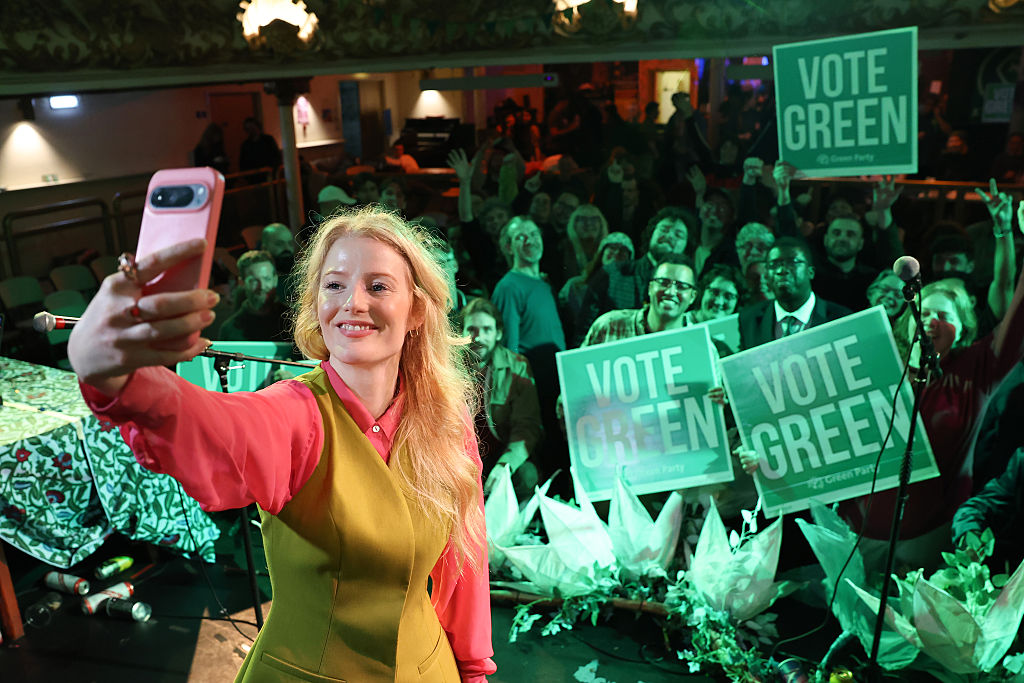
Green Party leader gets new communications advisor

Oliver Dean | February 17, 2026

Polanski's new communications advisor shows that the Green Party leader is serious about his public image.

Trade body describes the Government’s new electric HGV plan as a ‘monumental challenge’

Oliver Dean | February 17, 2026

With only 1 in 70 new HGV's being electric, the government must assist with infrastructure investment says industry leader

Blakeney bolsters its team with new additions

Madeline Dabbah | February 13, 2026

Blakeney has welcomed former drinks company Oatly managing director Tim Knight and pro-Brexit MEP Lucy Harris, in an effort to strengthen their position, the public affairs and strategic
Hanbury goes global

Oliver Dean | February 13, 2026

Hanbury's decision to erect offices in Washington and Sydney showcases the firms' strong public image.

Mandelson’s lobbying firm in disarray as CEO departs

Oliver Dean | February 6, 2026

Benjamin Wegg-Prosser, who co-founded the lobbying firm Global Counsel alongside Peter Mandelson has today resigned following significant backlash regarding the firm’s link to Jeffrey Epstein.
Russell Group turns to public policy veteran for next phase of university lobbying

Thomas Edwards | January 21, 2026

The Russell Group has picked Professor Libby Hackett, an Australia based public policy specialist, as its next chief executive, handing the UK’s most influential research university lobby to