Vulnerable nations face uncertain futures and complex allegiances in the face of a changing world order
On February 24, we saw the fruition of a bygone struggle clashing headfirst with the tensions of the modern world in the form of the greatest mobilisation of armed forces seen since World War II. We saw what may be the beginning of the end of multilateralism – consequentially, the last vestige of true sovereignty for small states.
On that day, the reverberations of the Russian Federation’s march into Ukraine rippled across the European continent and throughout the larger world. As with any calamity, the dissolution of our understanding of security is encompassed not only in the breach of these physical borders, but also in a breach of ideological and philosophical borders as well. The notion that the global climate of peace and security has evolved was shattered. The world order was challenged on that day, and we will never be the same.
As surely as with any natural disaster, we are experiencing the aftershocks of this calamity. As with a disaster, those that are most vulnerable will be hit the hardest. The difference between natural aftershocks and those we currently see pervading across the globe is that the further away from the European epicentre, the stronger the force of the tidal wave. Those Small Island Developing States (SIDS) on the other side of the globe now face a wave that threatens to wash us away into oblivion. Neutrality between the current world order and the emerging one is no longer possible, and nations are being asked to choose sides, not in a conflict an ocean away, but rather in their own development model and future prospectus.
Because SIDS lack economies of scale and face inherent structural challenges, including extreme vulnerabilities, successful development initiatives in SIDS are often predicated upon receiving external aid. Following World War II and the global transition away from colonialism, the Western world recognised and attempted to meet the needs of vulnerable nations. However, as this post-colonial fervour dwindled, so did Western aid. Traditional donors are now being replaced by emerging countries, and the notions encouraged by the West – that development aid goes hand-in-hand with ideology (ie freedom, democracy, liberalism) – are proving to be barriers for their acceptance of new development models. It is often inconceivable that aid can be given without the creation of spheres of influence. To many, it is unacceptable that neutrality become policy when such a policy will only open doors to influences that are not aligned with traditional donors. After all, if the ideologies behind emerging states are seen as antithetical to their own, the growing influence of emerging states must be managed.
We must keep in mind that while the support available to developing nations has evolved, the need for structural and development support has only increased, especially in light of the growing adverse impacts of climate change in SIDS. With this new reality, nations must now walk a tightrope between managing the demands and interests of traditional Western donors and engaging with those nations willing and able to support capital-intensive development projects.
The nation providing the most alternative finance to developing nations is China, under the Belt and Road Initiative, with stated aims to support infrastructure development and accelerate the economic, regional and global integration of developing nations along the route of the historic Silk Road. Through these concessional finance initiatives, China has initiated one of the largest groupings of development aid programmes ever conceived, with an estimated $4 trillion deployed over the last decade.
These shifting roles have resulted in the West calling for caution, adopting the clarion call that aid will inevitably be used to undermine sovereignty of more vulnerable nations. They claim that this new form of aid will go beyond extending mere spheres of influence, but rather establish spheres of subservience.
In the aftermath of the invasion of Ukraine, both India and China – the two biggest do-nor emerging states – have chosen neutrality. While powerhouses in their own right, even they are under pressure to acquiesce to the status quo, to defend the existing world order. Yet it is becoming clear that the multilateral forums meant to address issues of international peace and security are unable to meet the task at hand.
The flaws that exist in the multilateral system are today being exploited not only by Russia, but also China and the US, as well as their respective allies. Instead of taking more concerted measures to address these flaws so that the multilateral system can be strengthened to meet its mandate of guaranteeing world peace, the principal nations of the world are turning away from the system.
Small nations such as SIDS are being told, in no uncertain terms, that neutrality is not an option. They are often bullied and coerced to accept the dogma that, unless they align wholly with Western interests, they run ...
Subscribe to The Mace
Join the member community shaping British politics and stay ahead of
what's really happening in the world of politics and public affairs,
with expert analysis, breaking news, and insider insights from
Westminster and Brussels. The Mace is the leading news source and
resource for the government affairs industry, offering required
reading and lobby intelligence for professionals.
To see what you are missing out on by not subscribing to The Mace, click here to download our full membership info-pack. This includes
having no paywall on op-ed content or profiles/interviews, allowing
professional profiles to be read with maximum impact and visibility by
government, special advisers, MPs, peers, civil servants, and policy
and political decision-makers.
Meta agrees to overhaul its EU ad model, offering clearer data-sharing choices for users after regulators ruled its previous system breached competition rules.
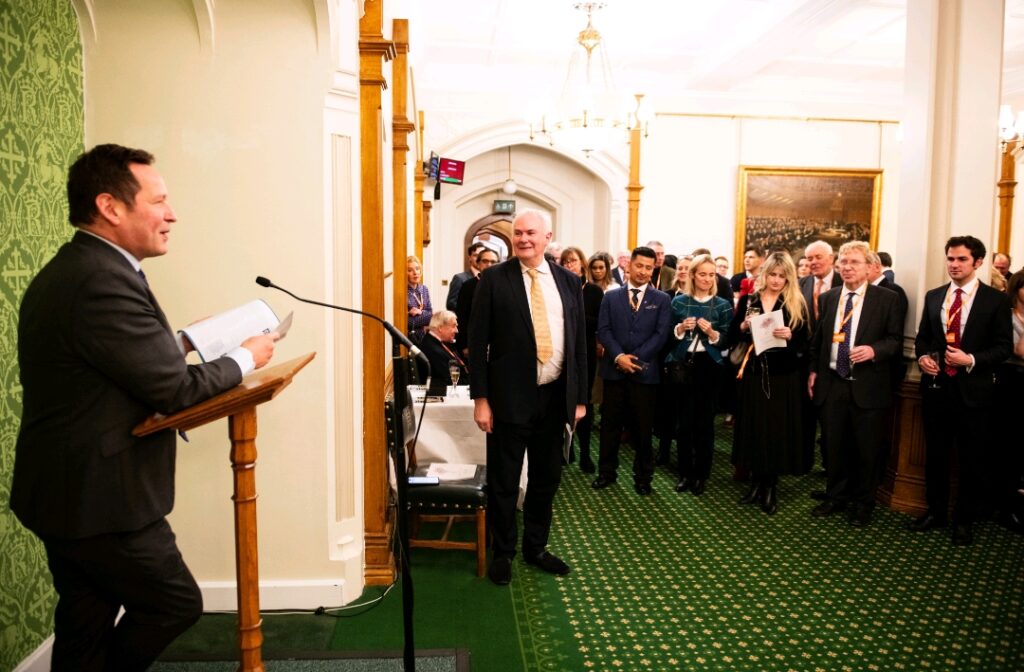
MACE marked its 5th anniversary with a high-profile Commons reception of politicians, diplomats, media figures and lobbyists, launching its influencers report
From self-lacerating memoir to by-election madness and a Labour Together takedown, The Mace’s literary editor Christopher Silvester rounds up the latest political books.
From self-lacerating memoir to by-election madness and a Labour Together takedown, The Mace’s literary editor Christopher Silvester rounds up the latest political books.
From self-lacerating memoir to by-election madness and a Labour Together takedown, The Mace’s literary editor Christopher Silvester rounds up the latest political books
Three former Conservative MPs, including ex-deputy chair Jonathan Gullis, defect to Reform UK as the party capitalises on Tory unrest and declining support.