Hanbury goes global
Hanbury's decision to erect offices in Washington and Sydney showcases the firms' strong public image.


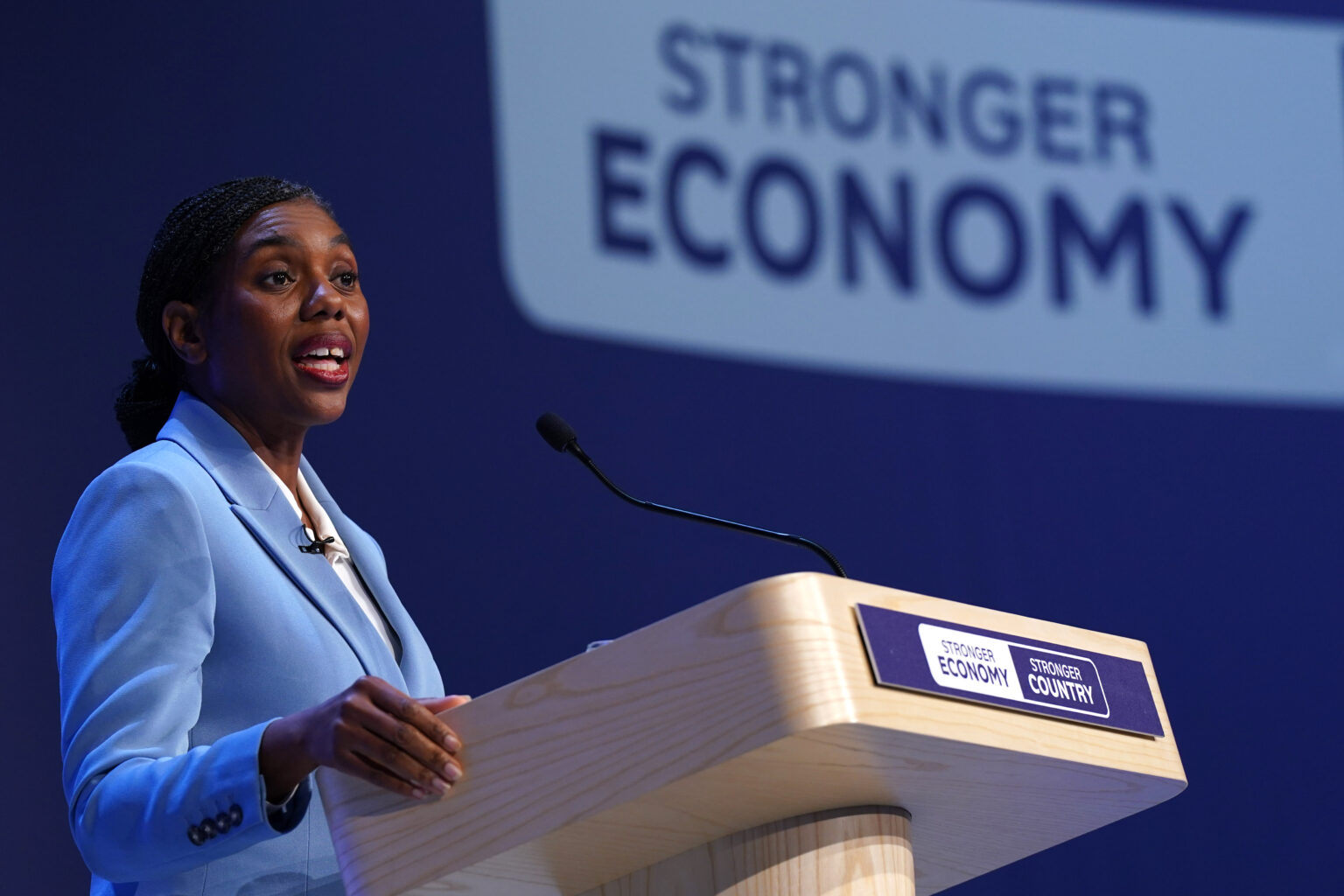
In contrast to last year's Tory conference, Kemi Badenoch is coming out guns blazing, not the least when it comes to defence, says Flora Watkins
But first, we need to talk about defence expenditure. Because we face potentially the gravest threat to this country since the 1930s, and not enough politicians are doing so. Reform is still yet to appoint a defence spokesperson. Yes, the Shadow Foreign Secretary, Tom Tugendhat has been banging the drum on defence spending, urging the UK government to increase it to 2.5% of GDP and beyond to address what he’s called a ‘dangerous pre-war environment’.
The Chancellor, John Healey, helped bring down Sir Keir Starmer over his failure to raise defence spending to 3% by 2030. Yet now he and the Prime Minister have booted any 3% spending commitments not so much into the long grass as over the fence into a tangled, rewilded field, saying they’ll meet the NATO target of 3.5%… by 2035. This as Andy Burnham squanders money needed desperately elsewhere on his ‘No.10 North’ vanity project. Given that both Burnham and Healey know they’ll be long gone by 2035 — and the smart money is on 2030 for a major escalation of war — this is a scandal of terrifying proportions.
This government treats the Services with contempt: imagine you’re a British soldier who’s been deployed with NATO in Estonia. You come home on leave to find that your new boss is none other than… ‘Mr NHS’, Wes Streeting. Not so much a slap in the face as a sucker punch. As Lord Dannatt, former Chief of the General Staff has said, ‘Defence is a complex portfolio. Streeting knows the square root of nothing about [it].’
“Unlike the 1930s, there’s no Churchill banging his head against the wall and banging on in the Commons about the threat to the West”
Meanwhile, Putin prods ever harder at Article 5, NATO’s collective defence guarantee. In recent months he has ramped up the provocation, from violating air space with drones and fighter jets to the possibility of civilian targets at Leipzig airport. So here’s the thing: given the enormity of the threat we face 3.5% of GDP is lamentably short. Defence sources tell me that 5.5% is what’s needed — with that, ideally, ramped up to 6% pretty sharpish.
We are, apparently, no. 29 on what’s known colloquially as NATO’s ‘shit list’ of defence spending. Only Iceland, which has no standing army, spends less than the UK as a share of GDP among NATO’s outliers. But that comparison flatters us: the UK, at around 2.4% of GDP, still trails more than a dozen other allies, including France, the Netherlands and Sweden.
“But there’s hope. Conservative leader Kemi Badenoch is sharpening her elbows and going where this supine government won’t”
Any GCSE history student could tell you about the dangers of appeasement. Yet what we’ve seen, since Putin annexed Crimea in 2014, amounts to annihilation by a hundred Munichs. But unlike the 1930s, there’s no Churchill banging his head against the wall and banging on in the Commons about the threat to the West.
Once again, we desperately need that once-in-a-generation leader. But what we’ve got is ‘An-deh’, with his short shorts, dad jokes and performative Northern chumminess — when what’s needed is gravitas, clear-sightedness and the will to plough money into defence like it’s 1939.
But there’s hope. Conservative leader Kemi Badenoch is sharpening her elbows and going where this supine government won’t. ‘Conflict is coming and we must act now,’ she said earlier this month, launching a fusillade against the PM’s inaction and committing a Conservative government to meeting the 3% figure (around £10 billion a year) by tackling the bloated welfare budget. The housing budget and Motability scheme are in the firing line, and she’d bring back the two-child benefit cap.
Under sustained attack by his opposite number at PMQs, Burnham made the facile statement that ‘national security cannot come at the expense of social security’. But a serious Russian attack on NATO is now surely as inevitable as tanks rolling into Poland after the Molotov-Ribbentrop pact. So who could possibly object to removing the VAT exemption from a Motability Cupra Terramar — and putting it towards some drones to send to Putin? Failure to do so is criminally irresponsible.
Increasingly, Kemi looks like a prime minister in waiting, with an uptick in her personal popularity — although the shower of a party she inherited still languishes in the polls.
Crucially, she’s popular with the military, too, for her ballsy rhetoric and realpolitik and for now coming out all guns blazing. Announcing former rifleman, Stuart Anderson as Shadow Minister for War Readiness was another brave step forward. ‘Why are there two ‘Fs’ in Ffion?’ went the old Tory joke. ‘Because there’s no ‘effin leader.’ (With due apologies to the now esteemed elder statesman, Lord Hague). A steely, unflinching woman beloved by HM Forces at the helm at a time of military crisis. Now who does that remind you of?
Hanbury's decision to erect offices in Washington and Sydney showcases the firms' strong public image.
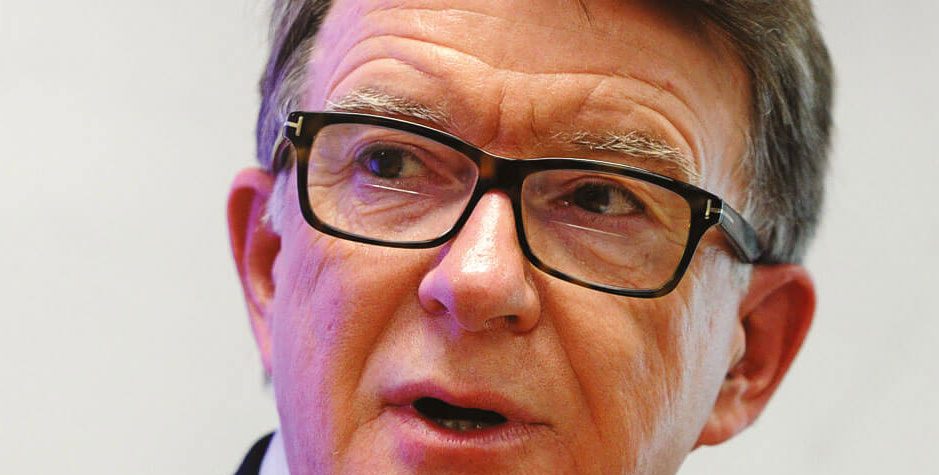
Benjamin Wegg-Prosser, who co-founded the lobbying firm Global Counsel alongside Peter Mandelson has today resigned following significant backlash regarding the firm’s link to Jeffrey Epstein.
The Russell Group has picked Professor Libby Hackett, an Australia based public policy specialist, as its next chief executive, handing the UK’s most influential research university lobby to
The European Commission launches a public consultation to update EU Arctic policy amid climate pressures and rising geopolitical stakes.

Beijing imposes provisional anti subsidy duties on EU dairy products, deepening trade tensions and hitting exporters across the bloc

Berlin urges a full rethink of EU foreign subsidy controls, warning current rules impose heavy burdens and risk harming investment.
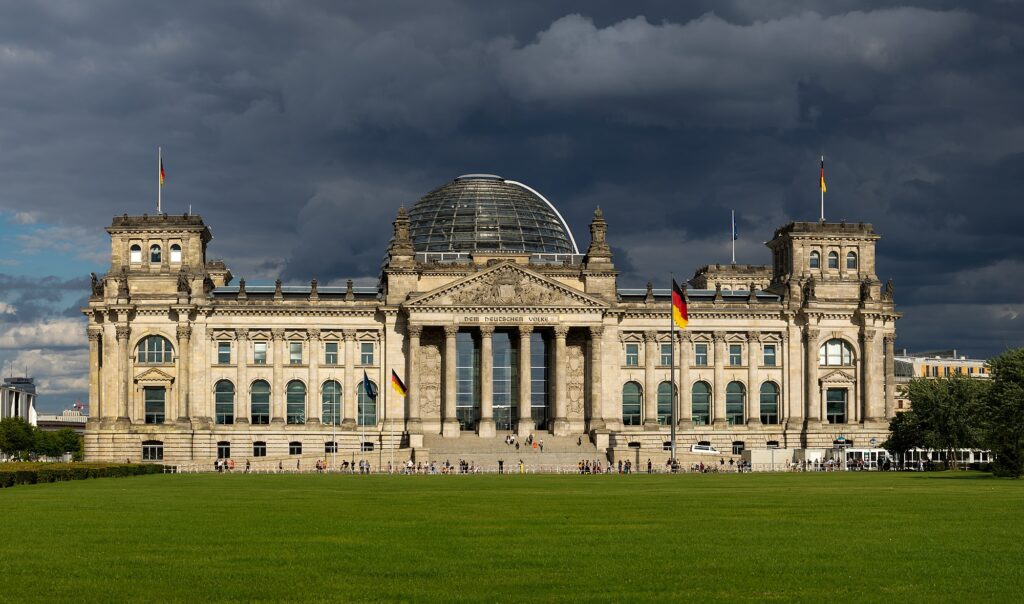
EU governments approve targeted revisions delaying the deforestation regulation, easing compliance demands while keeping core environmental safeguards in place
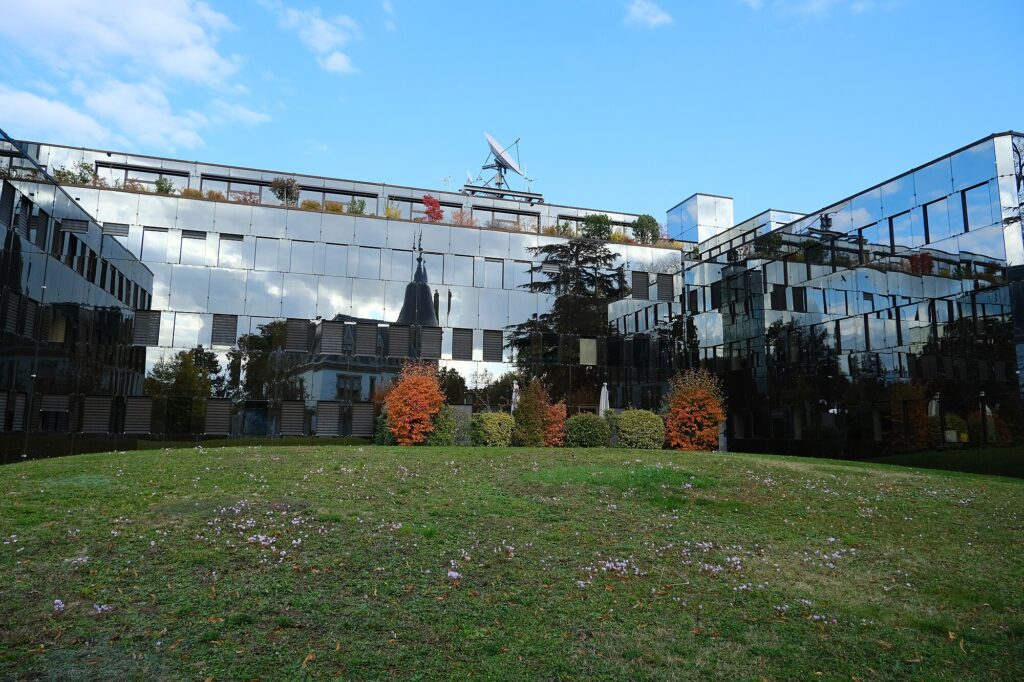
Brussels plans to widen its carbon border levy, targeting downstream goods and loopholes to prevent carbon leakage and protect EU industry
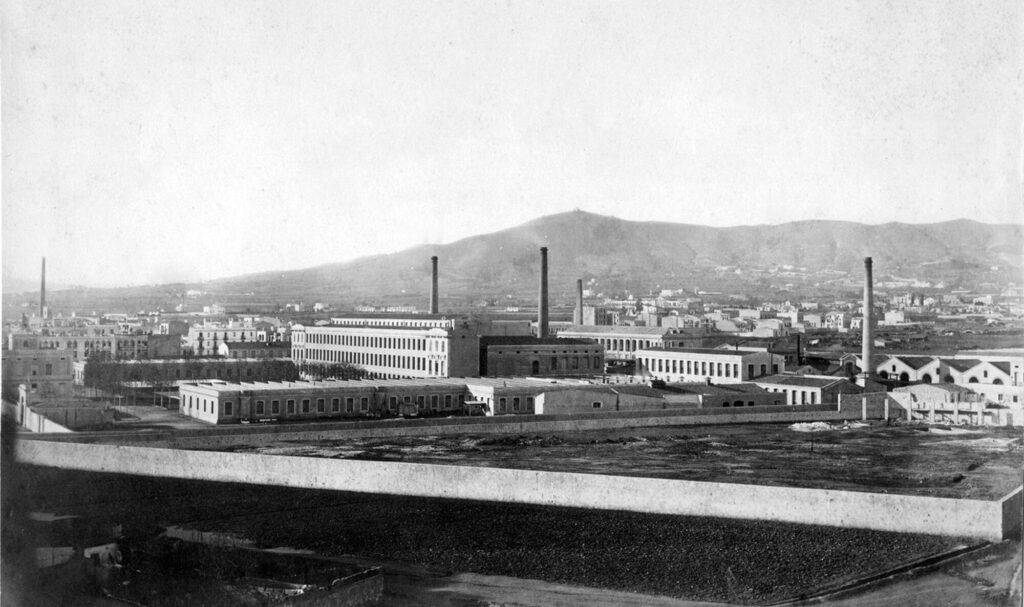
Thailand’s baht hits multi year peak, squeezing exporters and forcing policy makers to juggle currency stability, trade competitiveness and fragile economic recovery

Italy aligns with Belgium to oppose Brussels’ plan to deploy frozen Russian assets for Ukraine, complicating efforts ahead of key EU summit.