UK’s economic stability starts at sea, says the CEO of the Chamber of Shipping

Mace | 28th April 2026 | Comment, Policy & Think Tanks, Politics
Rhett Hatcher

Shipping moves 95 per cent of the UK’s trade. Most of the time, this happens smoothly until there is a global crisis, writes Rhett Hatcher, CEO of the Chamber of Shipping

In moments of regional (the Gulf) or global (COVID) crisis, shipping becomes visible in a way the country rarely notices. Supply chains tighten, routes come under pressure, and the system that powers the economy moves rapidly from the background to the centre of national attention. That is where we find ourselves now. Conflict in the Gulf and the impact of this on the Strait of Hormuz show how quickly a regional issue results in a domestic one for the UK. This is one of the most important arteries of world trade. When it comes under pressure, vessels are delayed, energy shipments face uncertainty, and the UK’s economic rhythm is disrupted almost immediately. What is often treated as distant geopolitical risk suddenly becomes a direct challenge to national economic stability. Seafarers feel this strain long before anyone else. They keep goods moving through areas of heightened risk while facing increased threat levels, longer rotations at sea and greater uncertainty about what lies ahea...

Subscribe to The Mace

Join the member community shaping British politics and stay ahead of what's really happening in the world of politics and public affairs, with expert analysis, breaking news, and insider insights from Westminster and Brussels. The Mace is the leading news source and resource for the government affairs industry, offering required reading and lobby intelligence for professionals.

To see what you are missing out on by not subscribing to The Mace, click here to download our full membership info-pack. This includes having no paywall on op-ed content or profiles/interviews, allowing professional profiles to be read with maximum impact and visibility by government, special advisers, MPs, peers, civil servants, and policy and political decision-makers.


Erskine: Bernard Jenkin MP

Mace | October 1, 2020

Attempts to modernise the civil service, one of the great institutions of state, will put unnecessary strain on the UK constitution


The Diary of a Data Miner

Adam Solomons | March 8, 2020

Mindfuck, by Christopher Wylie, reviewed by Adam Solomons

Thirty Women: Thirty Powerful Voices

Benjamin Goodwin | March 8, 2020

She Speaks: The Power of Women's Voices, by Yvette Cooper, reviewed by Benjamin Goodwin

Constituency vitae: David Lammy on Tottenham

David Lammy | February 3, 2020

The north London constituency is not without its problems, admits David Lammy, but it remains a destination second to none…

Protected: Hunt in Hampstead

Ferdie Rous | January 31, 2020

There is no excerpt because this is a protected post.
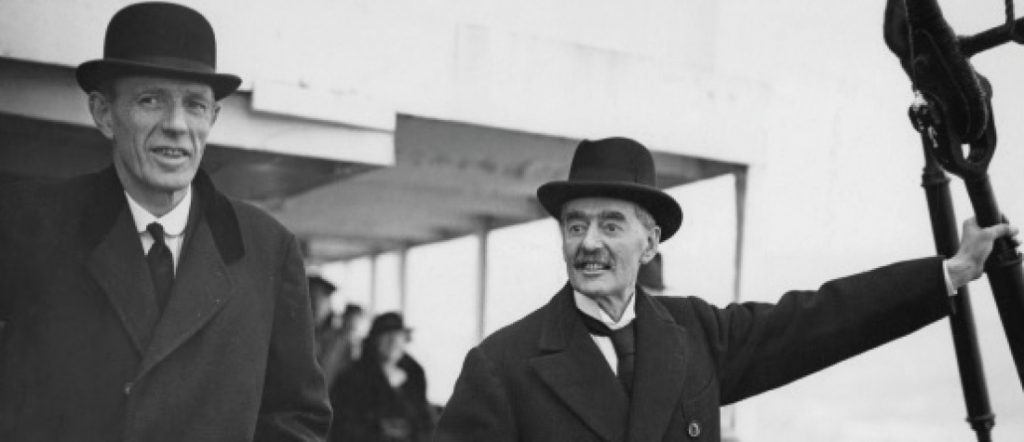
The Lesson of Munich

Tim Congdon | January 28, 2020

The Establishment has been wrong before, notes Tim Congdon. Is it so crazy, he asks, to think that it might be wrong again?
Police must protect the public not just catch the bad guy

Mace | January 24, 2020

Rotherham's MP, Sarah Champion, chair of an important parliamentary group on adult survivors of child sexual abuse, wants to see some change at the MoJ

Phillip Blond: ‘We live in a post-liberal world’

Alice Wright | January 24, 2020

The political philosopher ponders policy, populism and the changed landscape of European politics
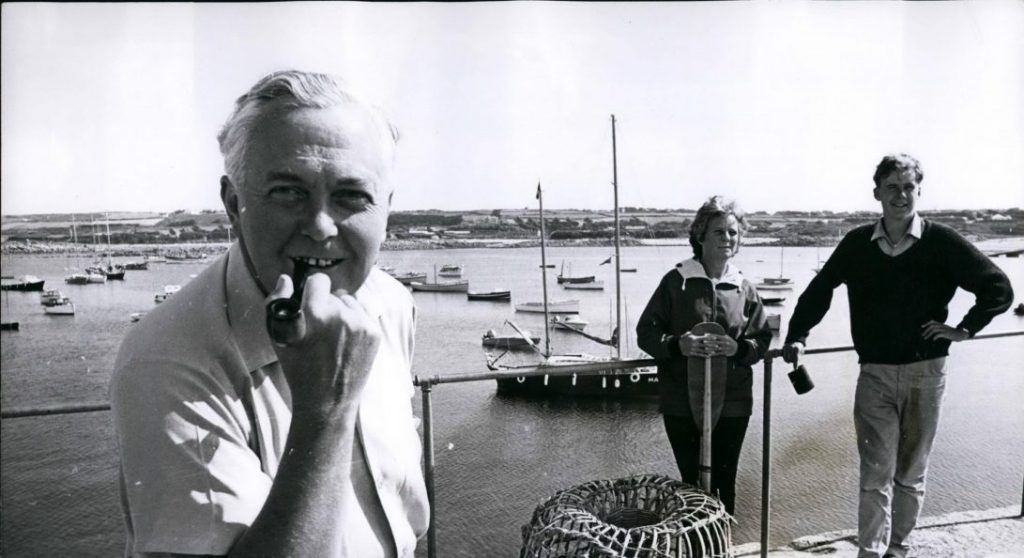
Out of Office: What does a holiday destination reveal about a premiership?

William Cash | January 16, 2020

William Cash considers Boris Johnson’s Christmas break in Mustique and finds a prime minister’s choice of holiday location to be highly revealing.
Recline and sprawl

Adam Solomons | January 16, 2020

Jacob Rees-Mogg’s languid pose on the Treasury bench launched a thousand memes on social media. Five observers interpret his body language for us.