Prime Minister Sir Keir Starmer has insisted that the UK is "not choosing between the US and the EU" following President Donald Trump’s threat to impose trade tariffs on the European Union.
Trump announced on February 1 that the US would introduce 25% tariffs on Canada and Mexico—though both have since been paused for 30 days. He warned that similar measures could be taken against the EU, but suggested a deal could be "worked out" with the UK.
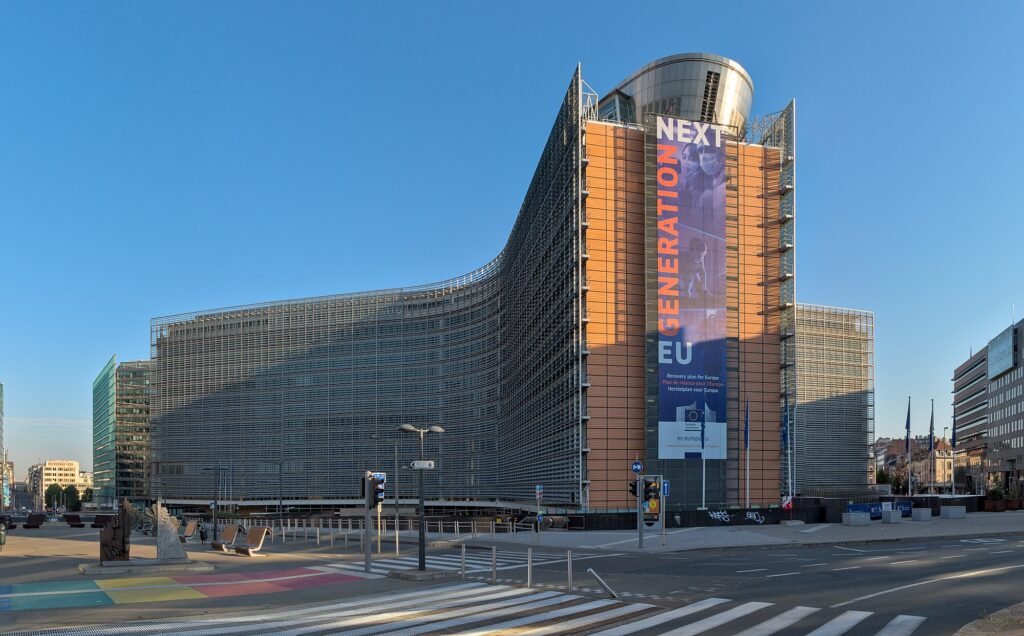
During a February 3 press conference in Brussels, which was broadcasted by Reuters, Sir Keir was asked whether he would weaken efforts to forge closer ties with the EU in exchange for maintaining strong relations with the US. He responded that both relationships were essential to the UK.
"Now, that for me isn't new, I think that's always been the case and will be the case for many, many years to come," he added.
While defence was the primary focus of his visit, Sir Keir also used his time in Brussels to push for a "reset" in UK-EU relations. The UK government hopes to build stronger links with Europe, but this could risk tensions with the US and raise concerns about a potential trade war.
Sir Keir was in Belgium for talks with Nato Secretary General Mark Rutte and EU leaders, making him the first British prime minister to attend such meetings since Brexit.
Discussing ongoing tensions between the US and EU, Rutte acknowledged that there were "always issues between allies" but insisted this would "not get in the way of our collective determination to keep our deterrent strong."
Economic and Trade Implications
Trump’s tariff threats have already had an impact on global markets. European and Asian stock markets fell following his announcement, with car manufacturers hit particularly hard. While the UK was affected, it suffered less than the EU.
An analysis from the University of Sussex last year suggested that a blanket 20% tariff on all imports imposed by the US could cost UK exporters £22bn.
Trump argues that tariffs will strengthen the US economy and protect jobs, though critics warn they could result in higher costs for consumers.
The Canadian and Mexican governments have already responded to Trump’s plans. Mexican President Claudia Sheinbaum announced that her country had agreed to deploy 10,000 troops to combat drug trafficking into the US in exchange for a 30-day pause on the tariffs. Meanwhile, Canadian Prime Minister Justin Trudeau confirmed that tariffs on Canadian goods would be "paused for at least 30 days while we work together."
In response to Trump’s threats, European Commission President Ursula von der Leyen stated that while the EU sought "a constructive dialogue with the US," it was also prepared to take firm action if it was "unfairly" targeted.
French President Emmanuel Macron warned that if EU interests were attacked, the bloc would have to "make itself respected and thus react."
EU foreign policy chief Kaja Kallas noted that "there are no winners in trade wars," cautioning that if one developed between the EU and the US, "then the one laughing on the side is China."
When asked whether he would impose tariffs on the UK, Trump replied: "UK is out of line but I'm sure that one... I think that one can be worked out." He also said his discussions with Sir Keir had "been very nice," adding: "We've had a couple of meetings. We've had numerous phone calls. We're getting along very well."
Defence and UK-EU Cooperation
Beyond trade, the Brussels summit also centred on security issues, with Sir Keir calling for stronger military collaboration between the UK and Europe. His proposals included improving military mobility and logistics, increasing research and development cooperation, and deepening industrial ties.
He also highlighted the need for enhanced efforts to protect against state threats and sabotage, particularly regarding subsea infrastructure. This follows a warning from the UK to Russia last month after a suspected spy ship was spotted near undersea cables.
On Ukraine, Rutte reinforced the importance of sustaining and increasing Nato’s support, arguing that "to negotiate from a position of strength," Ukraine must be given continued military assistance.
Sir Keir reiterated the UK’s commitment to defence spending, stating that the country currently spends 2.3% of GDP on defence and that his government would soon outline "the path" towards reaching 2.5%.
At present, Nato sets a target of 2% GDP defence spending for its members, but only 23 of the 32 nations meet this requirement. Rutte stressed that 2% was "not enough to keep us safe" and urged countries to boost their defence budgets without delay.
UK’s Position on Trade
Downing Street has emphasised that Sir Keir maintains trust in Trump, with a No 10 spokesperson describing "a really constructive early set of conversations" between the two leaders.
"We've got a fair and balanced trading relationship which benefits both sides of the Atlantic," the spokesperson added.
"It's worth around £300bn, and we are each other's single largest investors, with £1.2tn invested in each other's economies."
However, Sir Keir’s approach to European cooperation has drawn criticism from some UK politicians.
...
Subscribe to The Mace
Join the member community shaping British politics and stay ahead of
what's really happening in the world of politics and public affairs,
with expert analysis, breaking news, and insider insights from
Westminster and Brussels. The Mace is the leading news source and
resource for the government affairs industry, offering required
reading and lobby intelligence for professionals.
To see what you are missing out on by not subscribing to The Mace, click here to download our full membership info-pack. This includes
having no paywall on op-ed content or profiles/interviews, allowing
professional profiles to be read with maximum impact and visibility by
government, special advisers, MPs, peers, civil servants, and policy
and political decision-makers.
EU governments approve targeted revisions delaying the deforestation regulation, easing compliance demands while keeping core environmental safeguards in place
Thailand’s baht hits multi year peak, squeezing exporters and forcing policy makers to juggle currency stability, trade competitiveness and fragile economic recovery