The energy and climate crises are hitting Europe hard. Here's how to fix them both
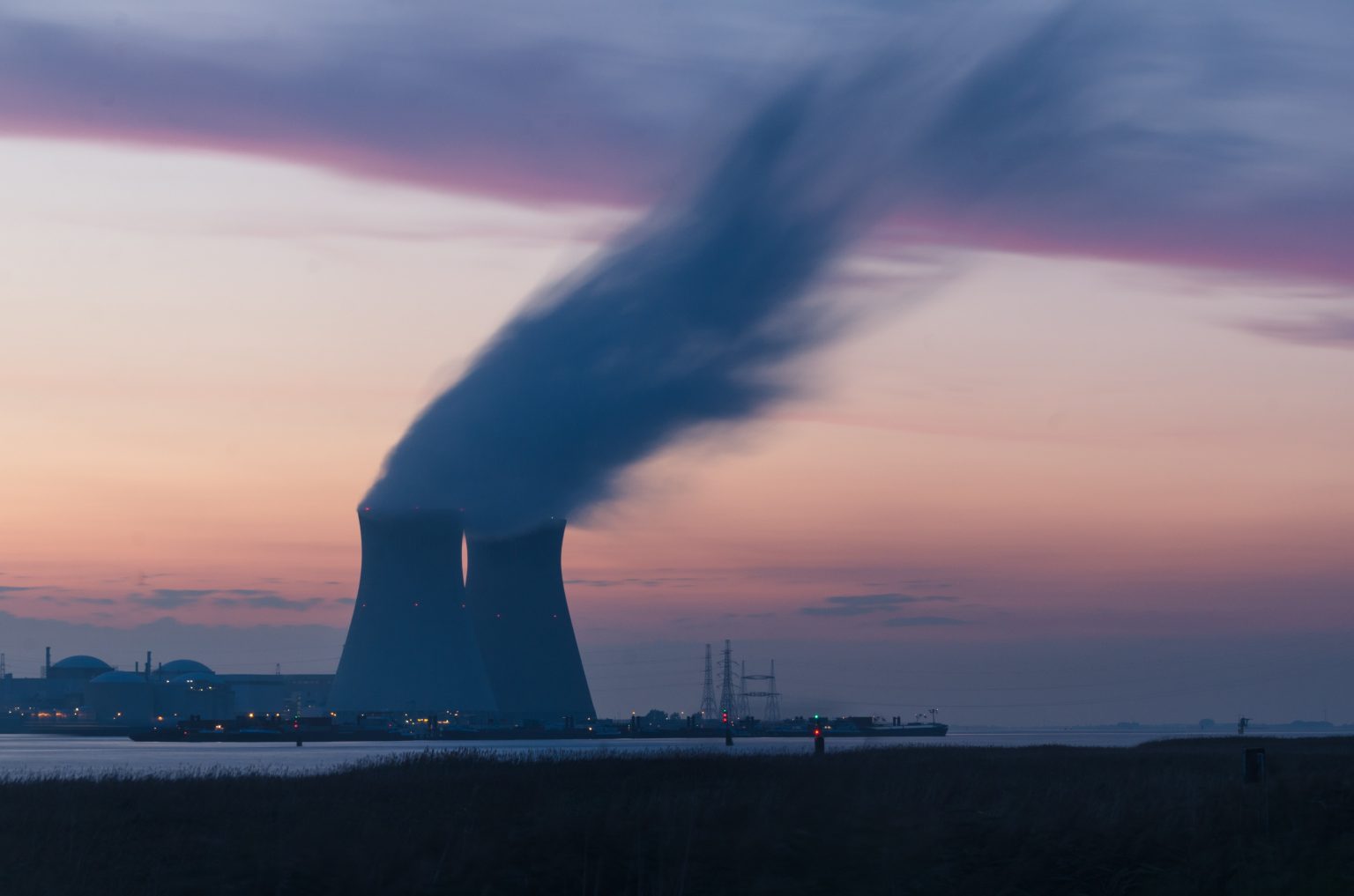
Europe has plenty of climate targets. What it lacks, though, are both realistic energy policies and a feasible route out of reliance on fossil fuels. The continent’s renewables mostly consist of wind power followed by solar, an unreliable combination which requires back-up energy sources. Yet without nuclear power, the only options Europe has to rely on are: burning imported biomass, burning Russian gas or burning European coal. None of these options should be on the table for obvious reasons. Yet nuclear, the only alternative to these, is not on the taxonomy.
Taxonomics
The EU taxonomy is a classification system; it contains a pre-approved list of economic activities considered environmentally sustainable. It aims to provide security for investors and policymakers, thereby boosting investment in the Green Deal. The EU taxonomy will codify what is considered 'sustainable' in future financing of energy. This will necessarily include renewables, for which there is a broad political consensus in favour.
However, renewables by themselves cannot provide stable power due to their intermittency. Without nuclear fossil, fuels will always remain essential for backup. Europe's progress towards its zero carbon targets is thus fundamentally unachievable without dramatically extended use of nuclear power.
Reality check
In Germany, an ideologically-blinkered Energiewende (a system of transition to low carbon) has prioritised nuclear shutdown over the cancellation of coal, leading to a billion tonnes more CO2 being emitted than would have been the case had coal been shut down first. Meanwhile, a huge investment in renewables has been a fig leaf for Nord Stream 2’s construction, without which the operation of intermittent wind and solar cannot provide reliable energy even on a daily basis.
Nord Stream 2 fully exposes the hypocrisy and short-termism of European renewables policy. It claims to be about 100 per cent renewables, but in reality it means a dependence on Russian gas. Not just now or next year, but indefinitely. With no significant investment in new nuclear power, if and when the wind stops blowing, EU member states will be forced to go cap in hand to Mr Putin to beg for more gas. With coal being pushed out of the picture, there is simply no alternative.
A better route would be to balance intermittent renewables with another zero-carbon energy source. Hydroelectricity could have worked here, but it is fundamentally limited by geography and has damaging impacts on river ecosystems. Nuclear power is the only remaining option.
Myth-busting
The Joint Research Centre (JRC), the in-house science and knowledge service of the Commission, drafted a technical report on nuclear energy. The report considered all the familiar objections to nuclear power, from it producing other pollution and huge amounts of waste to being dangerous to public health and safety. It comes out very strongly in rejection of such myths, which were advanced by anti-nuclear campaigners and anti-nuclear member states. In short, the JRC conclude: “The analyses did not reveal any science-based evidence that nuclear energy does more harm to human health or to the environment than other electricity production technologies already included in the Taxonomy as activities supporting climate change mitigation”.
Fission in the future
Nuclear is finally beginning to see a resurgence from Poland to Finland and even in the UK. Advanced reactors now include molten salt storage options, which allow electricity production to be ramped quickly up and down to balance intermittent renewables, much as gas currently does. Gigafactories could be employed to produce hydrogen, acting as a reserve option that can be switched to serve the electrical grid during extended periods of low wind. Nuclear fuel can be stored easily, fully addressing energy security concerns. Zero carbon targets can be achieved economically and on time, protecting jobs and keeping heavy industry alive in Europe.
For too long, European energy policy has been overly ideological, unscientific, expensive, undemocratic and risky. With the climate crisis and the energy crisis hitting at the same time, there is no time to act but now. The facts are clear: nuclear is the only large-scale dispatchable source of zero carbon electricity available to everywhere across Europe. If nuclear fission is excluded, this will make Europe less sustainable and it will virtually guarantee that we miss our climate targets. It will thus signal that evidence-based policymaking no longer exists in Brussels. If we are to face the climate emergency squarely, everything must change - including some nations' long-standing cultural aversion to nuclear power. We must be brutally honest: there is simply no alternative.
Mark Lynas is an environmentalist and author of the European Liberal Forum publication “EU Taxonomy and Nuclear Energy: How to Fix Europe’s Energy Crisis while also Achieving Climate Neutrality". The European Liberal Forum...
Subscribe to The Mace
Join the member community shaping British politics and stay ahead of
what's really happening in the world of politics and public affairs,
with expert analysis, breaking news, and insider insights from
Westminster and Brussels. The Mace is the leading news source and
resource for the government affairs industry, offering required
reading and lobby intelligence for professionals.
To see what you are missing out on by not subscribing to The Mace, click here to download our full membership info-pack. This includes
having no paywall on op-ed content or profiles/interviews, allowing
professional profiles to be read with maximum impact and visibility by
government, special advisers, MPs, peers, civil servants, and policy
and political decision-makers.
As vultures circle Downing Street, now that Burnham is back as an MP, Starmer must realise that resigning is going to be better for the Labour Party than
What will a Burnham government look like ? Lucy Carrier-Pilkington analyses what a change of prime minister will mean for the country and who will be the likely
With Restore and Reform tearing votes off each other, the Makerfield by-election could propel Andy Burnham into Number 10. But, asks William Cash, will Restore's percentage of the
Creating a Defence Industrial base with no new money is going to be a challenge for any Defence Secretary. But, argues defence expert William Wallace, there are several
The dismal results of reducing the police force in Scotland should act as a cautionary deterrent for English police reform, writes Sharon Dowey, a former member of the
Tristan Breijer is the new London head of Checkmate Government Relations. The move into London gives the US lobby firm its first European base, bringing its global power-broking
Latest Dept of Education figures reveal over 40,000 independent school pupils dropping out since Labour's VAT raid. But, The Mace argues, surging fees, an arms race for facilities