Afzal Amin | 14th February 2022 | Lobbying, Magazine
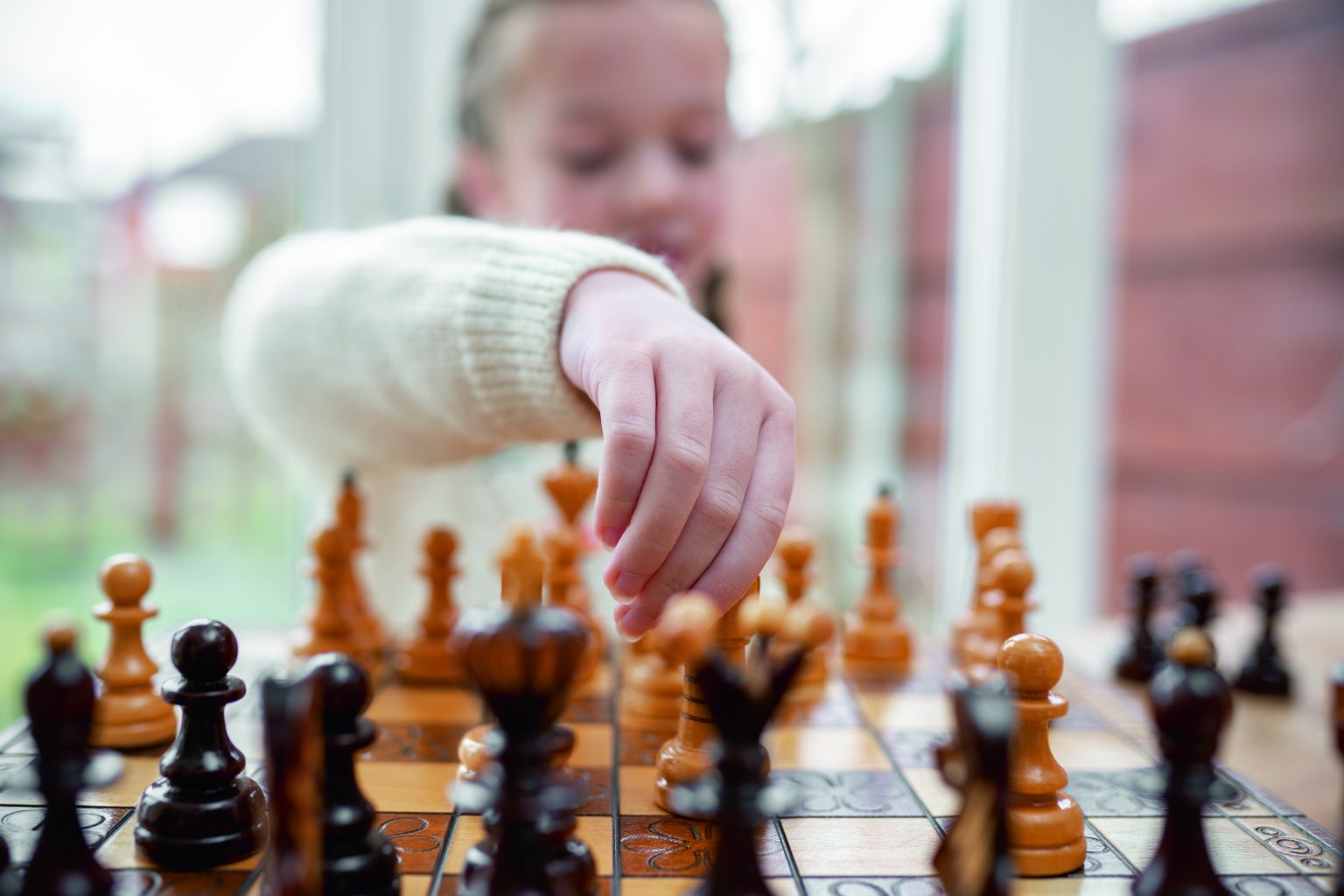
Chess can develop valuable qualities such as resilience, focus and how to recover from defeat – at low cost
Most schools have a chess club, but while some establishments take it very seriously, they are few and far between.
Chess requires two things: a will to win and concentration. Both are vital to academic study, to learning new skills and to succeeding in life. Resisting the urge to procrastinate is an inner battle that manifests in so many ways. I believe that making chess part of the mainstream may go some way toward lengthening the attention spans of young minds.
The relationship between mass adoption of chess and high performance in the workplace and in wider society can be seen in China, Hong Kong, Singapore and former Soviet republics – all of which are countries that produce some of the highest performers in maths and sciences in the world.
Teaching children to play chess systematically can and does raise the IQ, according to a 1979 study undertaken by Frank and D’Hondt, using control groups and several layers of testing on random children.
There is clearly an appetite for learning chess, and schools are very well placed to meet it. The Netflix drama series, Queen’s Gambit – in which a young female chess player takes the world by storm – was a runaway success. The New York Times reported that sales of chess sets rose by 25 per cent as a direct result in the year following its release.
While the game itself is enthralling, so too is its history. Chess is rooted in the resistance against Alexander’s military advances through Asia Minor and toward India, where he was stopped at the borders of modern-day Pakistan by the ruling Persian princes. It is from their language, Farsi/Persian, that the term ‘checkmate’ originates – ‘Shah met’ or ‘the king is dead’. Originally, military leaders used the game to defend simulated attacks from complex armed units of infantry, archers, artillery and cavalry. Each of these was assigned a piece with capability and limitations approximating their function on the battlefield. The commander and his consul are symbolised by the king and queen, both powerful yet vulnerable to attack. The queen has the zero-sum, high-risk exposure when a commander ventures into the forward lines of battle and, if captured, is as good as dead.
Chess demands an awareness of developing risks as well as the creation of proactive and reactive strategies. This play provides at the very least a handrail for thinking clearly under pressure. Chess can teach us qualities such as resilience, patience, forbearance of loss, recovery from total defeat. These practical skills can then be applied with ease in much of normal life and work.
Making chess mandatory would cost little, entail almost no risk, and has the potential to make significant returns on the small investment of time and a chess set. Also, it is fun. As a schoolboy I learnt chess the hard way, by trying and losing, again and again. I have lost far more games than I have won and I still play several times a week, 30 years later.
There is a certain joy in the competition, a fulfilment in playing well and elation in victory. Perhaps more importantly, losing at chess develops character, thereby encouraging humility and improvement through injury to the ego. Chess strengthens the person from within. It should be an essential part of the educational journey....
Subscribe to The Mace
Join the member community shaping British politics and stay ahead of
what's really happening in the world of politics and public affairs,
with expert analysis, breaking news, and insider insights from
Westminster and Brussels. The Mace is the leading news source and
resource for the government affairs industry, offering required
reading and lobby intelligence for professionals.
To see what you are missing out on by not subscribing to The Mace, click here to download our full membership info-pack. This includes
having no paywall on op-ed content or profiles/interviews, allowing
professional profiles to be read with maximum impact and visibility by
government, special advisers, MPs, peers, civil servants, and policy
and political decision-makers.
Now Angela Rayner has been cleared by HMRC, will she stand to be the next Prime Minister? Lucy Carrier-Pilkington reveals has the financial and political backing in place.
In her bestselling book, Sarah Vine reinvented the political wife memoir. Soon out in paperback, Melanie McDonagh sat down with the ex-wife of Michael Gove to discuss the