Britain is drifting towards Italian-style instability — it is time to learn from America
Love or hate the current American administration, at least they have a consistent electoral cycle where the choice of the electorate is upheld.

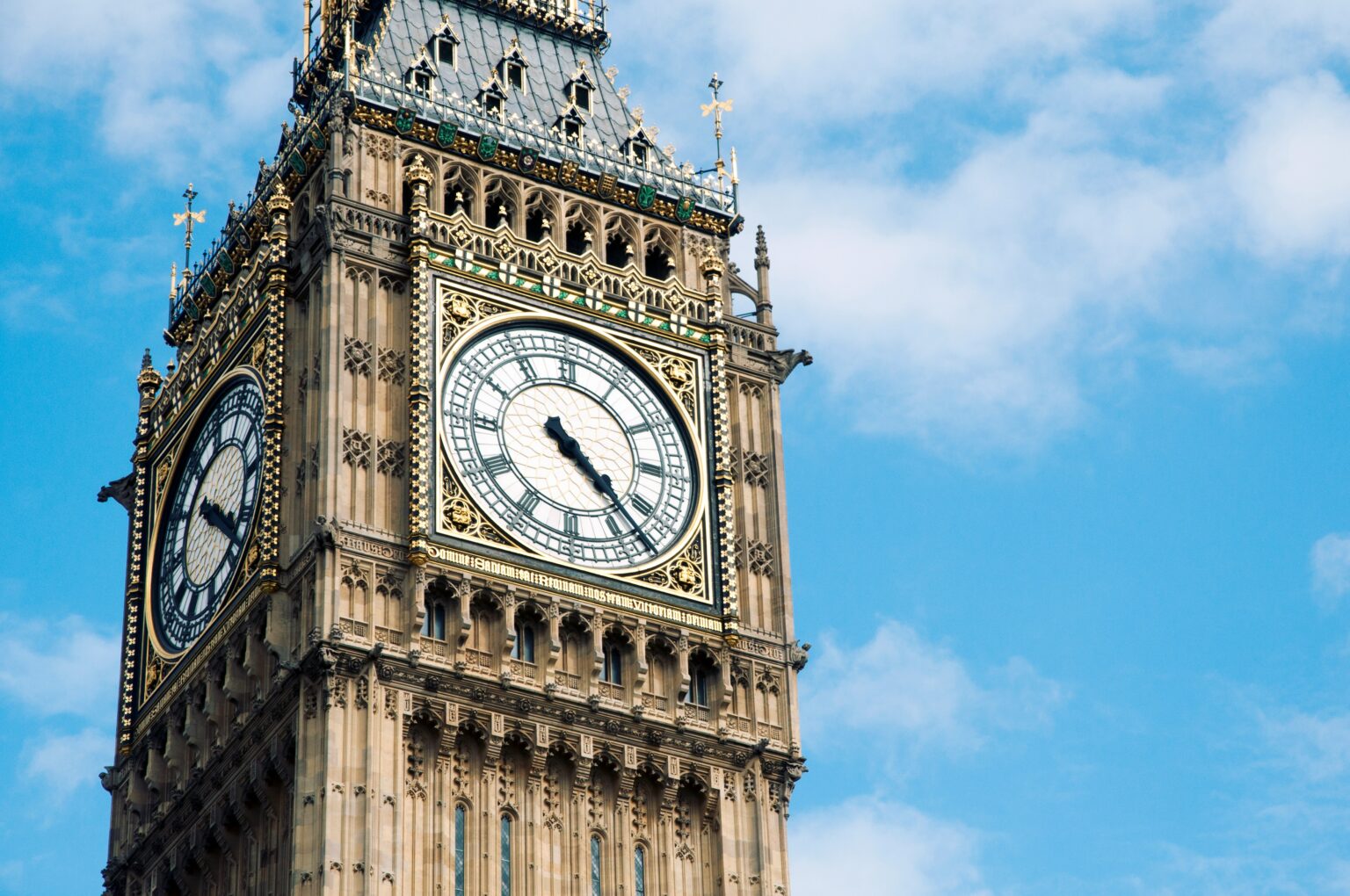
September and October usually mark the most intense period of political activity in the UK, here is what to expect.
Westminster is locked in for a busy season ahead of the highly anticipated ‘circuit breaker’ Autumn Budget.
Week 1 of September will already see an economic event as the technical consultation deadline closes for draft tax legislation related to the Finance Bill 2026-27 on September 7th. This consultation covers proposed rules on business, personal, and employment taxes. Shortly after on September 9th, the HM Treasury Budget Representation Portal closes marking the final chance for businesses and organisations to submit policy proposals for the October Budget. The submissions do not determine policy but rather give organisations an opportunity to provide evidence and comment on existing government measures.
In the middle of the month Parliament will enter its party conferences recess and will not return until mid-October, meaning all major debates will take place outside of Parliament. From the 27th to 30th of September, the Labour Party conference will take place in Liverpool, where Prime Minister Andy Burnham and Chancellor John Healey are expected to outline broader economic and regional priorities. The conference announcements won’t necessarily translate into budget measures however the language used could provide a strong indication of the budget’s direction.
Afterwards, on October 1st, the electricity VAT reduction begins. The government will temporarily remove VAT from domestic electricity bills for the remainder of the financial year. This measure was one of Burnham’s first announcements on becoming Prime Minister. This is funded by the cancellation of the £1.8 billion digital ID program. On October 28th John Healey will deliver his first Budget as Chancellor and the OBR will publish an updated economic and fiscal outlook, setting its forecasts for growth, inflation, borrowing, debt and government revenues.
“The Chancellor has said that the Budget will move power out of Westminster and Whitehall and into communities around Britain”
The Budget is expected to mark a significant departure from those of recent years. In his first speech as Prime Minister, he said the moment was a “circuit breaker for Britain” and promised “a new political model and a new economic model.” The Chancellor has said that the Budget will move power out of Westminster and Whitehall and into communities around Britain. Downing Street also revealed that mayors will retain a greater share of locally generated revenue, beginning with business rates, with a roadmap for income tax retention expected at the Budget. However, Healey has also suggested that the Budget will still comply with the government’s fiscal rules and retain a buffer against economic uncertainty.
We can also expect a Devolution White Paper detailing plans for regional devolution reforms, legislation, and a fiscal devolution roadmap alongside the Budget. The Prime Minister has also placed emphasis on reindustrialisation and the cost of living, but it is unsure how this will translate into policy.
Given Healey’s background, and his dramatic resignation from the Starmer government, we can expect defence to be point of intense interest in the budget and autumn policy. Presently, the UK Ministry of Defence’s overall budget for 2026-27 is £68.3 billion with broader NATO qualifying defence spending expected to reach approximately 2.6% of GDP in 2026.
Love or hate the current American administration, at least they have a consistent electoral cycle where the choice of the electorate is upheld.
Sir Keir Starmer has announced that he will resign as Prime Minister and leader of the Labour Party, triggering a leadership process that now looks increasingly likely to

As vultures circle Downing Street, now that Burnham is back as an MP, Starmer must realise that resigning is going to be better for the Labour Party than

What will a Burnham government look like ? Lucy Carrier-Pilkington analyses what a change of prime minister will mean for the country and who will be the likely
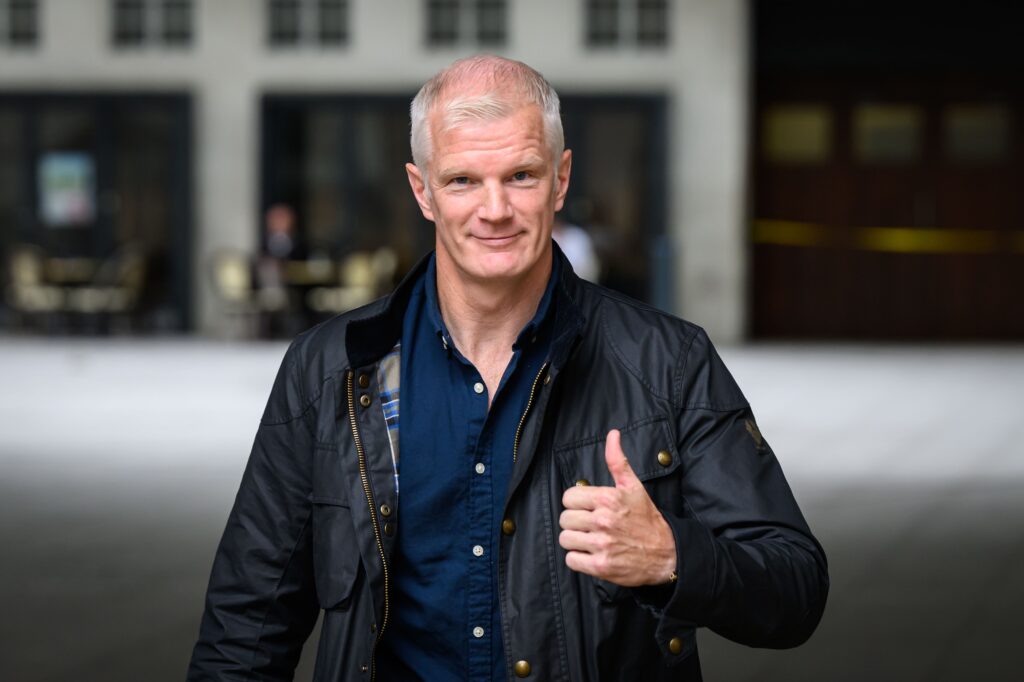
Ex-Royal Marines commando emerges as the plan B candidate in the race for Labour leadership.
Debate has erupted over whether the new policy is an overdue attempt to rein in Silicon Valley or a short-sighted, politically motivated move that will push children towards

With Restore and Reform tearing votes off each other, the Makerfield by-election could propel Andy Burnham into Number 10. But, asks William Cash, will Restore's percentage of the
Creating a Defence Industrial base with no new money is going to be a challenge for any Defence Secretary. But, argues defence expert William Wallace, there are several
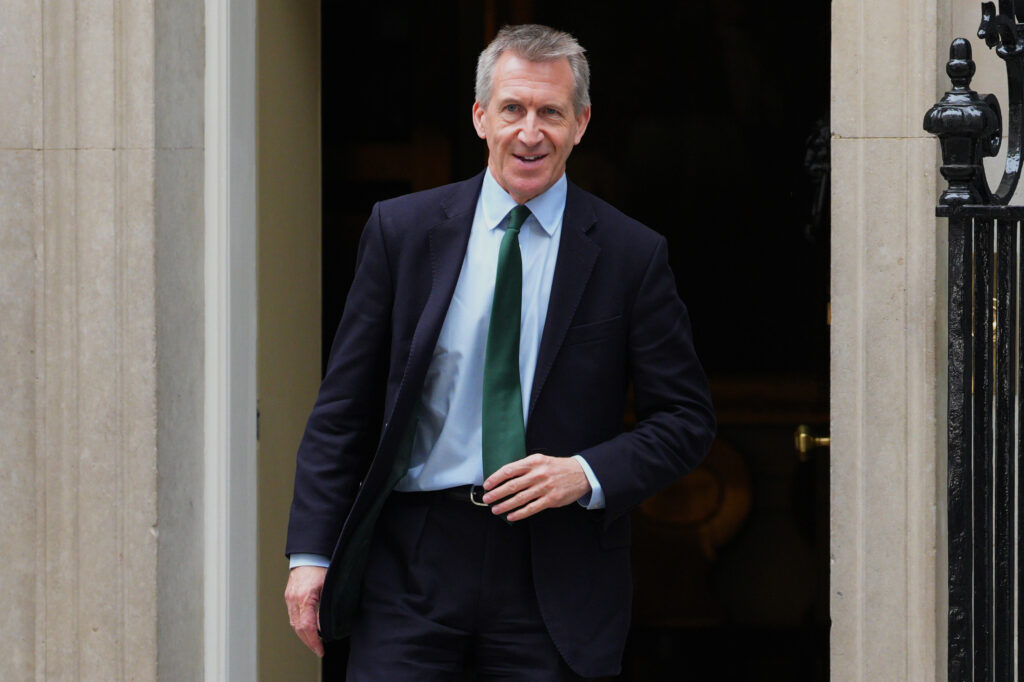
May’s local elections completely transformed London’s political landscape, argues CEO Jonny Popper.

The dismal results of reducing the police force in Scotland should act as a cautionary deterrent for English police reform, writes Sharon Dowey, a former member of the