Reform UK says Government taking British public “for mugs” over Asylum policy

Oliver Dean | 5th March 2026 | Politics
Almost half of the British public are concerned with the levels of Channel Crossings (Photo by Dan Kitwood/Getty Images)

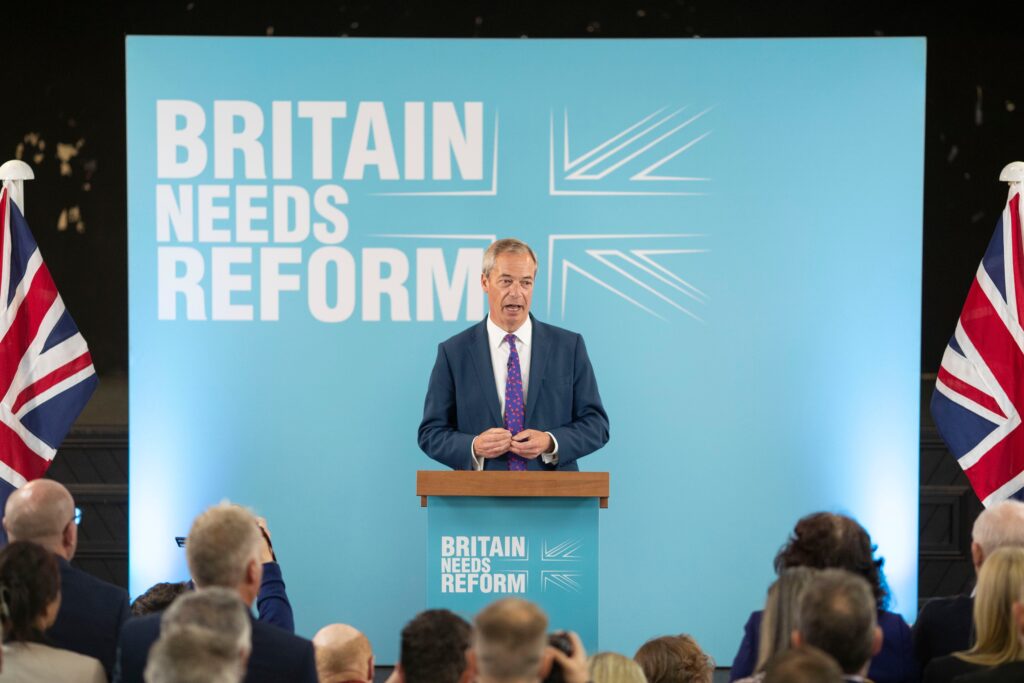
After the Government announced it would clamp down on the number of migrants receiving asylum support, Reform UK's Zia Yusuf hits back - claiming that it is merely window dressing.

The government is set to impose stricter conditions on migrants receiving asylum support, the Home Office announced on Wednesday. However, the move has drawn immediate fire from Reform UK, who dismissed it as window dressing. The policy shift comes amid intense public pressure over asylum accommodation costs. The Home Office spent £4bn on asylum support in 2024/25, including £2.1bn on hotel accommodation - a figure equivalent to £5.77m per day. Ministers have framed the tougher conditions as part of a broader effort to restore order to the asylum system, but critics on the right argue the measures fall short of meaningful deterrence. The announcement lands against a backdrop of deep and growing public unease. The latest Ipsos polling shows immigration remains the biggest issue facing the country, with 48% of Britons naming it as important. This is on top of the fact that two in five say that Labour is doing a worse job of managing immigration than the previous Conservative government. Some 62% of respondents believe the number of asylum seekers housed in hotels has increased. The scale of hotel use has proved a particular flashpoint. At the end of Q1 2020, only 5% of asylum seekers were in contingency accommodation, but by March 2025 almost a third were staying in such facilities. A petition calling on the government to stop financial support for asylum seekers, on the grounds that it may incentivise illegal migration, attracted over 427,000 signatures earlier this year. Reform UK's shadow home secretary Zia Yusuf said the announcement demonstrated the government was "taking the British people for mugs," arguing that migrants arriving illegally would continue to receive free hotel accommodation at taxpayer expense regardless. He pledged that a Reform government would "deport every single migrant here illegally." The intervention reflects the growing political battle over asylum policy ahead of local elections, with Reform seeking to exploit vulnerability on an issue that has become one of the defining fault lines of this parliament. The government has committed to ending the use of hotels to house asylum seekers before the next general election, with the chancellor allocating £200m to accelerate the transformation of the asylum system. But as of December 2025, around 31,000 asylum seekers remained in hotel accommodation, which is still above the level inherited from the previous government. Tightening support conditions is likely to be attacked by hardliners as a technocratic response to what they characterise as a fundamental border security failure. The government has yet to publish the full details of the new conditions framework....

Subscribe to The Mace

Join the member community shaping British politics and stay ahead of what's really happening in the world of politics and public affairs, with expert analysis, breaking news, and insider insights from Westminster and Brussels. The Mace is the leading news source and resource for the government affairs industry, offering required reading and lobby intelligence for professionals.

To see what you are missing out on by not subscribing to The Mace, click here to download our full membership info-pack. This includes having no paywall on op-ed content or profiles/interviews, allowing professional profiles to be read with maximum impact and visibility by government, special advisers, MPs, peers, civil servants, and policy and political decision-makers.

Court blocks Trump tariffs, testing limits of trade authority

Mace | May 29, 2025

A U.S. federal court has struck down President Trump’s global tariffs, ruling they exceed the limits of the International Emergency Economic Powers Act. The administration has appealed, insisting

Reform UK proposes £20,000 tax-free threshold in pre-election pitch

Mace | May 28, 2025

Reform UK has proposed raising the personal tax allowance to £20,000, a policy expected to cost up to £80 billion. The party plans to fund it by scrapping

Renatus Tactical SPAC Debuts on Nasdaq with $241.5 Million IPO

Mace | May 23, 2025

Renatus Tactical Acquisition Corp I marked its Nasdaq debut on 23 May 2025 following a $241.5 million IPO. Led by former DWAC executives, the SPAC targets blockchain, security,

Labour rides Q1 growth surge as UK tops G7 economies

Mace | May 15, 2025

The UK economy grew 0.7% in Q1 2025, the fastest among G7 nations, offering a political lift to the Labour government. The Bank of England upgraded its annual

All the Ambassador’s Men

William Cash | May 8, 2025

Trump’s Catholic allies are exerting growing influence in Rome as a new conclave approaches. Backed by wealthy donors and political operatives, they are campaigning for a more traditional

The next elections of 2022

François Valentin | May 11, 2022

Important elections are happening around the globe and whilst ideological politics may be dying, polarisation is not

Decorating the metaverse

Lucy Kenningham | May 9, 2022

The world of NFT art isn’t just about individual artists selling work to crypto nerds. As big brands get involved, there’s money to be made and kudos to

Doomed to succeed

François Valentin and Jorge González-Gallarza | March 8, 2022

The euro may have fallen short of its objectives, but on its 20th birthday its survival inspires calls for further European integration

How will the war in Ukraine end?

Lucy Kenningham | March 7, 2022

Finnish Ambassador to the UK Jukka Siukosaari reveals the Finnish insight on Russia and speculates on how the conflict will end

Calling time on ‘just in time’

Mace | March 2, 2022

Biden’s executive order to reshape the supply chain might foster improved transatlantic trade relations with the European Union