Since the first UK tsar was appointed, a veritable explosion has followed – but what exactly are the rules regarding such headline-garnering appointments?
How do you become a Government tsar? Who appoints them? Why are so many married to Conservative MPs? These are some of the questions arising since the government appointed no less than three “external recruits” to help solve various Covid-19 problems. These are Lord Deighton to lead the supply of sourcing PPE, Kate Bingham to head the UK’s vaccine taskforce and former jockey, Baroness “Dido” Harding in charge of the shambolic NHS test and trace programme.
That both Harding and Bingham are married to senior Conservative MPs (Harding to John Penrose and Bingham to Treasury minister Jesse Norman) has resulted in charges of cronyism about the process. Such appointments are designed to bring in expert outsiders to cut through blinkered multi-department bureaucracy and Whitehall groupthink, bringing energy, outside experience, and focus to specific issues.
More than 500 tsars have been appointed since the 1990s, with a House of Commons public administration select committee report saying that there had been an “explosion” of the breed. The report warned that they should not be appointed to loan their celebrity or reputation to endorse policy, and that accountability was murky and “unclear”. It was also difficult to distinguish them from Spads.
Do they report to parliament, ministers or the civil service? In the US, some czars – as they are known – require Senate approval. This is because they have such executive power – the word comes from “Caesar” and has overtones of autocratic Russia – that when Nixon appointed William E Simon as energy czar in 1973 (at the time of the Arab oil embargo), he told his cabinet that Simon would have “absolute authority”, comparing his powers to Albert Speer’s role in charge of procuring armaments in the Third Reich. Unsurprisingly, this caused an immediate backlash against such appointments.
In the UK, actual tsar powers – along with those of champions, ambassadors and PM’s special representatives – vary widely. They have ranged from Howard Goodall as national ambassador for singing, to Martha Lane Fox as champion for digital inclusion. The first appointee is thought to be chief constable Keith Hellawel’s appointment in 1998 as the home secretary’s anti-drugs tsar.
While pay is often pro bono, the jobs come with other perks. Take the role given in 2018 to entrepreneur Ben Elliot, who was appointed food surplus and waste champion by Michael Gove. Elliot was given the brief of driving forward a nationwide strategy to ensure that “surplus food is not wasted at the expense of those who truly need it”. As a high-achieving businessman and serial board philanthropist (including chairman of the fundraising board of the Royal Albert Hall and trustee of the V&A Museum), Elliot was successful as he put his address book to work. He also had real experience of the issues, having worked closely with the Felix Project, the charity combating food waste and poverty in London.
So long as you don’t slip up, and prove to be effective (which Elliot was), such roles can prove useful time spent on the political nursery slopes. It’s a good opportunity to see if you can give a speech, run a team and provide a safe pair of hands when it comes to the media. Some have crashed out embarrassingly. In 2012, David Cameron’s back-to-work tsar Emma Harrison was forced to resign as families champion, following allegations of fraud at her welfare-to-work company.
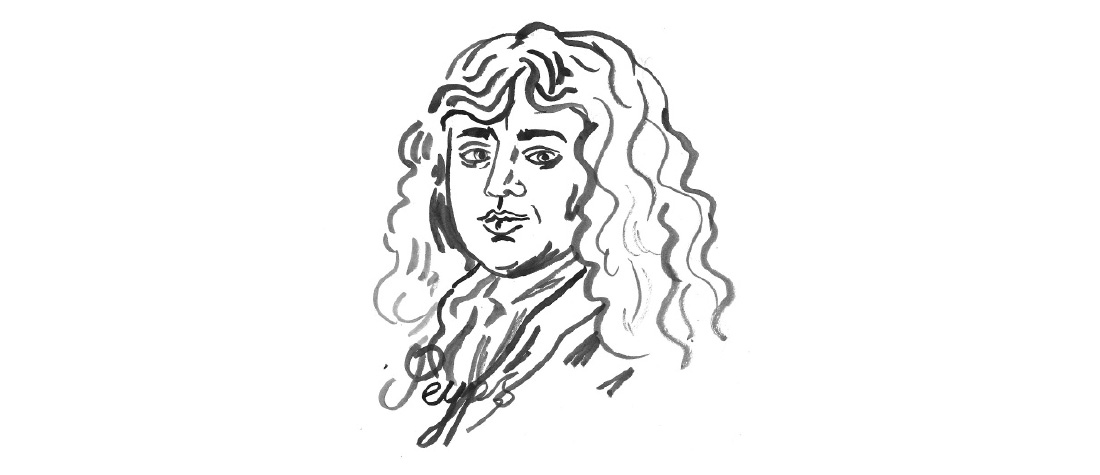
On the public health front, the new appointment that Boris really needs to make is a tsar for walking. Pepys – whose weight and age compares to the PM – will happily put himself forward. Long distance routes such as the Highland Way, Jurassic Way and North Downs Way are now the lifeblood of British regional tourism in the new age of staycation. The only trouble is that all these wonderful long distance walking routes are entangled, there is no central funding, and signage is non-existent on routes including the famous Pilgrims’ Way (Winchester to Canterbury), while excellent on such national paths as the South Downs Way.
Since the Rule of Six prevents much real socialising, and threatens the hospitality sector, we urgently need to revitalise and “level up” regional tourism. To do this, the government must get the country walking, so we can all connect with nature, history and revitalise our great B&Bs and pubs – even if there is a 10pm curfew....
Subscribe to The Mace
Join the member community shaping British politics and stay ahead of
what's really happening in the world of politics and public affairs,
with expert analysis, breaking news, and insider insights from
Westminster and Brussels. The Mace is the leading news source and
resource for the government affairs industry, offering required
reading and lobby intelligence for professionals.
To see what you are missing out on by not subscribing to The Mace, click here to download our full membership info-pack. This includes
having no paywall on op-ed content or profiles/interviews, allowing
professional profiles to be read with maximum impact and visibility by
government, special advisers, MPs, peers, civil servants, and policy
and political decision-makers.
Kenneth Clarke delivered a final parting shot to the Johnson administration at the Carlton Club on the eve of the election – and it’s one that will keep