Moscow Bristles as Brussels Moves to Turn Frozen Russian Assets into Long Term Ukraine Lifeline

Mace | 12th December 2025 | Brussels, Washington
Angling_in_Troubled_Waters_A_Serio-Comic_Map_of_Europe

Russia threatens legal and economic retaliation as the EU advances plans to leverage frozen Kremlin reserves for sustained Ukrainian financing

Brussels is trying to turn a sanctions artefact into a long term funding lever for Kyiv. On 3 December the European Commission set out a Reparations Loan idea that would raise money for Ukraine’s 2026 and 2027 needs by drawing on the cash balances connected to immobilised Russian central bank assets held in the EU, while also presenting market borrowing as an alternative route. The Commission is pitching this as predictable support for Ukraine’s armed forces and basic state functions, with flexibility to shift spending as battlefield and reconstruction needs change. EU leaders are expected to return to the file at the 18 December summit, where the plan’s political buy in and legal cover will be tested against worries about blowback. Moscow has chosen escalation by law and rhetoric rather than quiet diplomacy. Russia’s central bank has labelled any EU move to use the immobilised assets, directly or indirectly, as unlawful and a breach of sovereign immunity. On 12 December it also launched a lawsuit in a Moscow court against Euroclear, the Brussels based clearing house that holds the bulk of the assets, seeking damages tied to being shut out of managing and accessing the funds. The filing adds force to earlier Russian warnings of retaliation, while also aiming to chill the appetite of European institutions that would have to handle the money. The European Commission has dismissed the case as speculative and politically motivated, signalling that it does not see the legal threat as a reason to slow down. The EU answer is to make the freeze harder to reverse. The current sanctions framework requires renewal every six months and has given holdout capitals repeated leverage over policy. Member states are now preparing a mechanism to immobilise the roughly €210 billion indefinitely through qualified majority voting, removing the unanimity trap and smoothing the path for a large loan backed by the assets. The Commission is leaning on emergency economic powers in the treaties as its legal base. Belgium has pushed hard for wider risk sharing because so much of the money sits at Euroclear and because any Russian legal offensive would hit Belgian courts and institutions first. Even if the legal scaffolding holds, the financial plumbing remains contested. Euroclear has warned publicly that political assurances from Brussels do not fully resolve concerns about an untested design that concentrates risk on a single financial intermediary. Officials at the European Central Bank have also flagged worries that stretching the sanctions regime into structured financing could unsettle global reserve holders and complicate the euro’s reputation as a neutral store of value. Research produced for the European Parliament shows how divided expert opinion remains on the legality of moving beyond interest income towards using the underlying assets, leaving policymakers to juggle court risk, market confidence and wartime urgency. Russia, meanwhile, is signalling that it has counters that could hurt European interests still caught inside its jurisdiction. Russian officials have pointed to special account regimes that trap foreign investors’ securities and cash flows, as well as the scope for pressure on foreign owned assets that remain on Russian territory. Those threats are feeding into EU internal bargaining, as capitals weigh the benefits of collective action against the risk of uneven retaliation. For Brussels, the political bet is that Moscow cannot plausibly claim full sovereign immunity for its reserves while waging a war that has generated vast damage claims, and that a tightly built EU legal framework can hold until the question is ultimately settled at the negotiating table....

Subscribe to The Mace

Join the member community shaping British politics and stay ahead of what's really happening in the world of politics and public affairs, with expert analysis, breaking news, and insider insights from Westminster and Brussels. The Mace is the leading news source and resource for the government affairs industry, offering required reading and lobby intelligence for professionals.

To see what you are missing out on by not subscribing to The Mace, click here to download our full membership info-pack. This includes having no paywall on op-ed content or profiles/interviews, allowing professional profiles to be read with maximum impact and visibility by government, special advisers, MPs, peers, civil servants, and policy and political decision-makers.

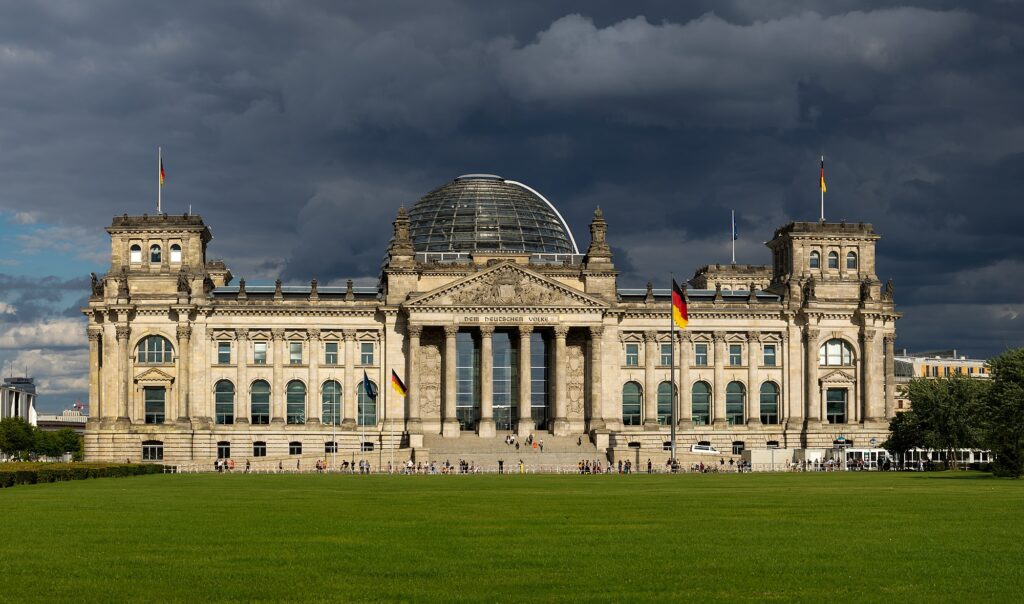
Germany calls for overhaul of EU foreign subsidy rules

Mace | December 23, 2025

Berlin urges a full rethink of EU foreign subsidy controls, warning current rules impose heavy burdens and risk harming investment.
EU Council signs off delay and simplification of deforestation law

Mace | December 23, 2025

EU governments approve targeted revisions delaying the deforestation regulation, easing compliance demands while keeping core environmental safeguards in place

EU moves to expand carbon border levy to shut loopholes in polluting imports

Mace | December 19, 2025

Brussels plans to widen its carbon border levy, targeting downstream goods and loopholes to prevent carbon leakage and protect EU industry
EU Council backs tougher steel trade shield as overcapacity fears mount

Mace | December 16, 2025

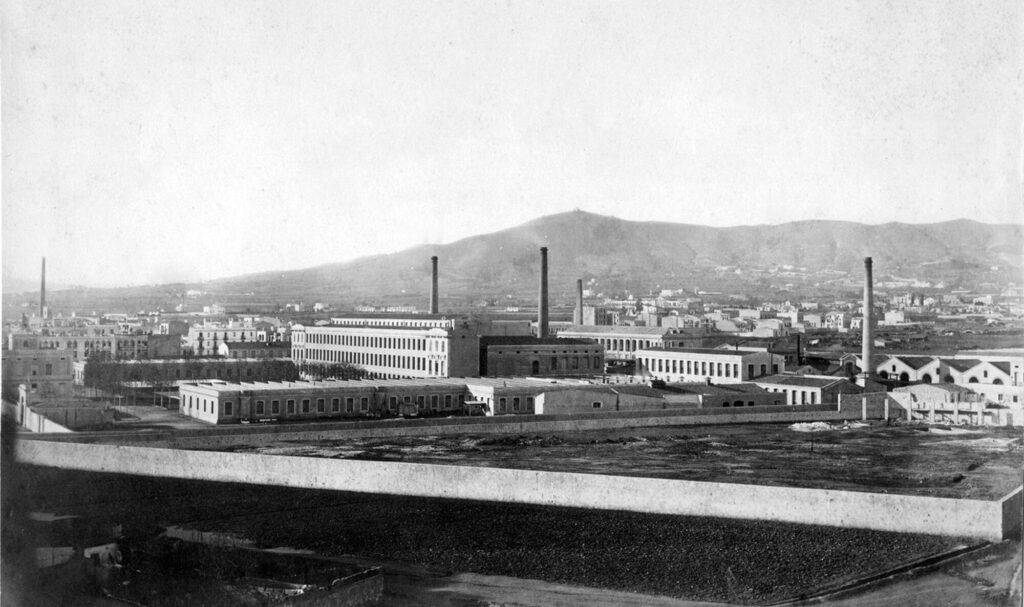
EU governments back tougher steel import limits, opening talks with Parliament on new rules to counter global overcapacity pressures facing

Don’t meddle in European democracy, von der Leyen tells Trump

Mace | December 15, 2025

Brussels pushes back against Washington as Ursula von der Leyen warns the Trump administration to stay out of Europe’s democratic choices.
Italy Joins Belgium in Challenging EU Plan to Use Frozen Russian Assets

Mace | December 15, 2025

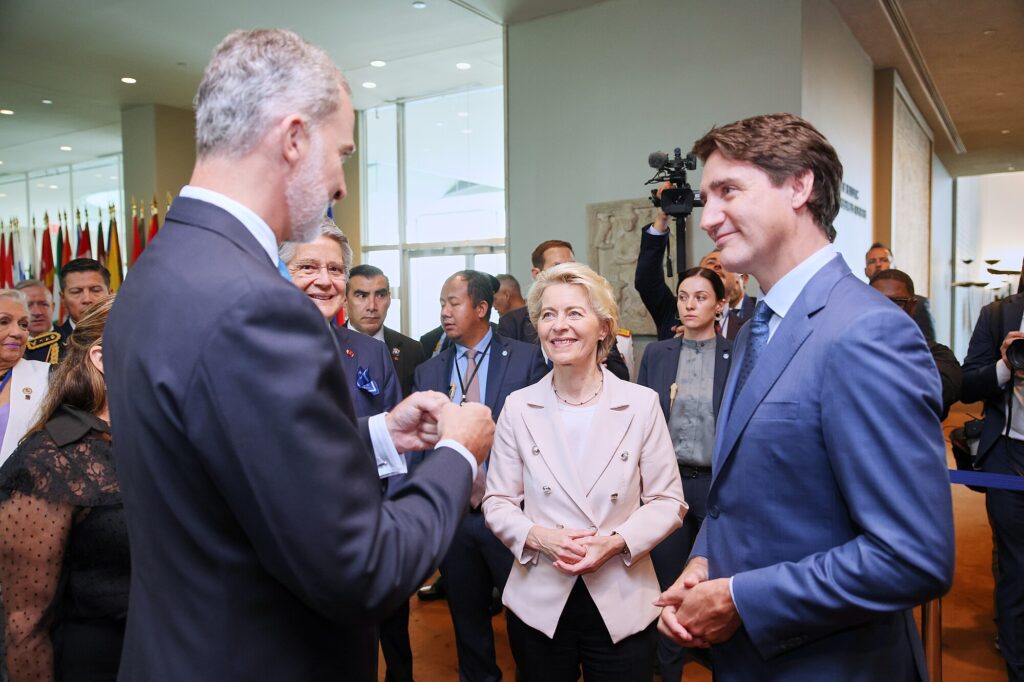
Italy aligns with Belgium to oppose Brussels’ plan to deploy frozen Russian assets for Ukraine, complicating efforts ahead of key EU summit.

Democratic Led States Sue Trump Over $100,000 H-1B Visa Fee

Mace | December 13, 2025

Twenty US states challenge Trump’s $100,000 H-1B visa fee, arguing it exceeds presidential authority and threatens labour markets.

EU Buy European Push Put on Ice as Member State Divisions Stall Plan

Mace | December 12, 2025

Deep splits among EU capitals force Brussels to delay its Buy European procurement push amid fears of protectionism and higher costs.
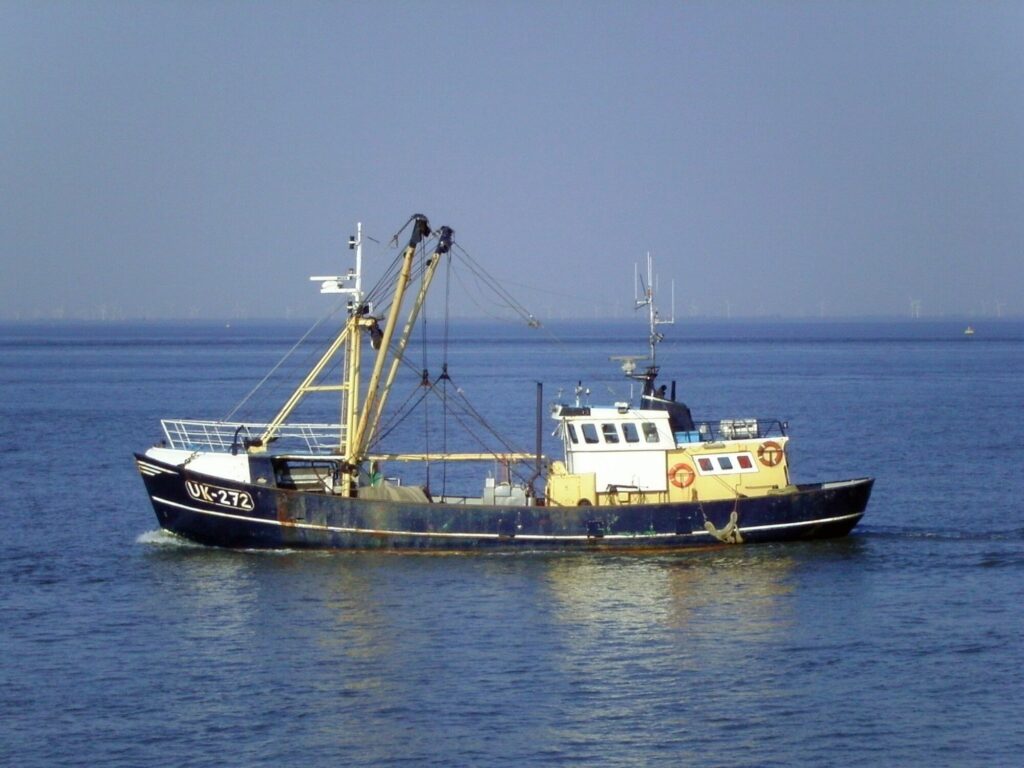
EU Council Signs Off EU UK Fishing Quotas Deal for 2026

Mace | December 12, 2025

Brussels approves annual EU UK fisheries agreement for 2026, setting shared quotas and access rules under the post Brexit framework.
EU Lawmakers Seal Overhaul of Pharmaceutical Rulebook

Mace | December 12, 2025

European legislators agree major reforms to medicines law, reshaping market exclusivity, boosting access, and tightening rules on shortages and antibiotics