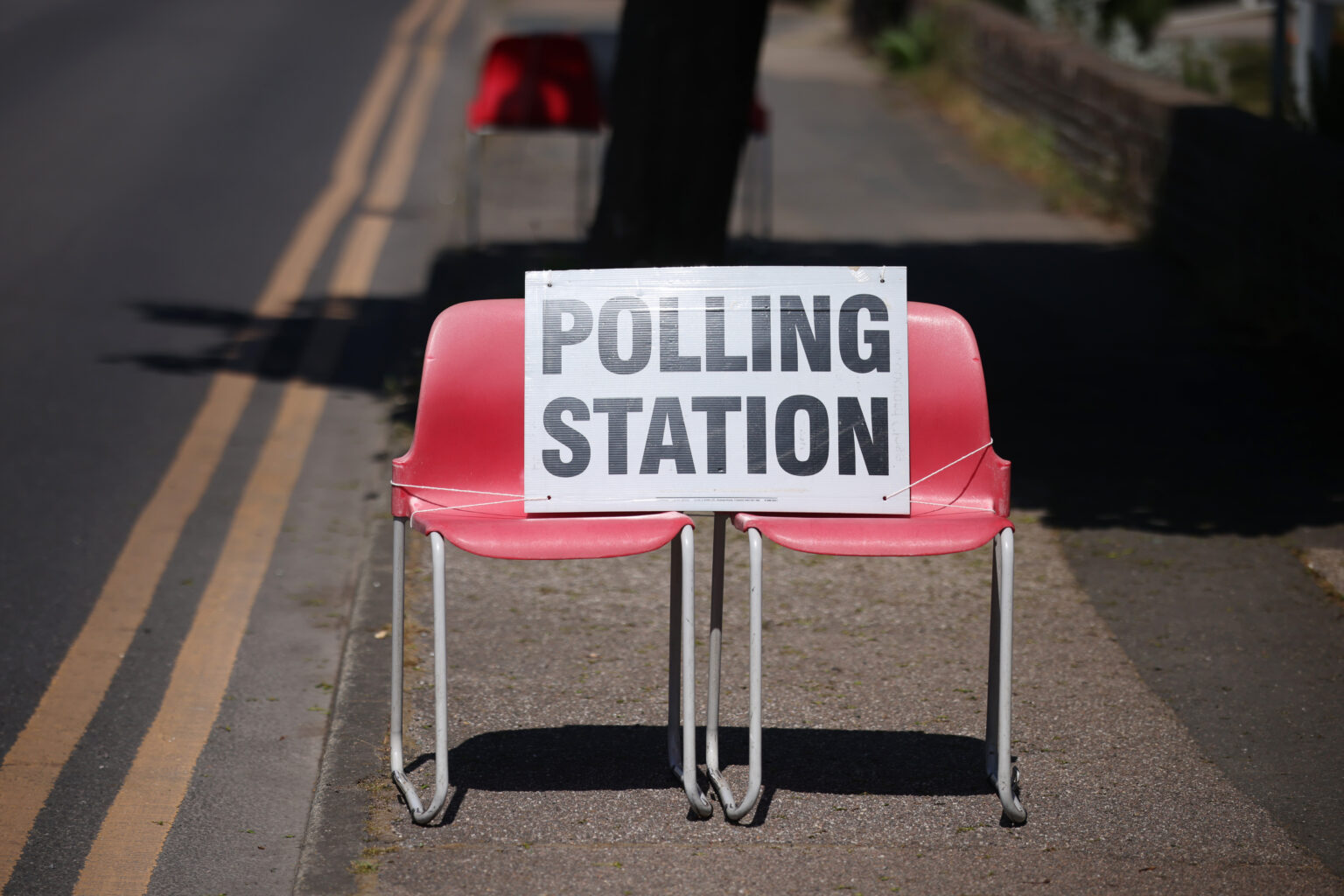
May’s local elections completely transformed London’s political landscape, argues CEO Jonny Popper.
Labour – usually so dominant – lost control of 12 local authorities and 460 of their 1,156 councillors. The Party now has an overall majority in just 9 boroughs, although they do remain the party with by far the most councillors in London. The Tories did very little – ending up with just three more councillors than they started with and gaining only Westminster City Council. The Lib Dems made next to no impact, failing to gain their target borough of Merton. Nine boroughs came back as No Overall Control (NOC) where no single party won a majority. With so much change, there were three key stories of these elections.
The rise of the Greens
As expected, the Greens performed extremely well across inner London, winning three boroughs, with 279 councillors in total, up from just 18 in 2022.
They pulled off a stunning victory in Hackney, their number one target, where Zoë Garbett was elected as Mayor with 47% of the vote, while they increased their councillors from two to 40. Similarly, Liam Shrivastava was elected Mayor of Lewisham, where the party also managed to win 40 councillors in a borough that had been a ‘one party state’, returning only Labour councillors in 2022. The Greens also won Waltham Forest from Labour with 31 out of 60 councillors from a standing start, while they now also run Haringey as a minority administration, having come up just one seat short of an overall …
Subscribe to The Mace
Join the member community shaping British politics and stay ahead of
what's really happening in the world of politics and public affairs,
with expert analysis, breaking news, and insider insights from
Westminster and Brussels. The Mace is the leading news source and
resource for the government affairs industry, offering required
reading and lobby intelligence for professionals.
To see what you are missing out on by not subscribing to The Mace, click here to download our full membership info-pack. This includes
having no paywall on op-ed content or profiles/interviews, allowing
professional profiles to be read with maximum impact and visibility by
government, special advisers, MPs, peers, civil servants, and policy
and political decision-makers.
West End retailers, hotels and leisure operators warn that proposed business rates changes in the upcoming Budget could drive many into insolvency. The planned surcharge on high‑value properties
Labour‑aligned Resolution Foundation proposes shifting a 2p cut in employee National Insurance to income tax, targeting pensioners, landlords and self‑employed to raise £6bn. The plan aims to avoid
Peter Mandelson was sacked as UK Ambassador to the US after new emails revealed deeper ties to Jeffrey Epstein, including support for legal challenges to his conviction and
France’s Prime Minister has been ousted after losing a confidence vote over a failed austerity budget. The collapse leaves President Macron facing the task of appointing yet another
Labour’s Employment Rights Bill is under pressure after Angela Rayner’s exit. Unions accuse Starmer of weakening core pledges like fire and rehire and day-one rights.
Reform UK’s Conference in Birmingham projected ambition and momentum with Nigel Farage vowing to overhaul migration, policing and climate policy amid theatrical fanfare.
The AI sector has escalated political spending through lobbying and a new Pro‑AI Super PAC as elections near. Firms face legal pressures, including a wrongful death case and
Zack Polanski has been elected sole leader of the Green Party, ending the co-leadership model and pledging to compete directly with Labour and Reform UK. Backed by 85
UK long‑term borrowing costs have surged to their highest since 1998, with 30‑year gilt yields near 5.7 per cent. Sterling has slumped about 1 per cent against the dollar.
French business leaders warn of economic damage after Prime Minister François Bayrou set a 8 September confidence vote linked to budget plans. Stocks fell and bond spreads widened