Inside the Red Queen’s campaign war chest
Now Angela Rayner has been cleared by HMRC, will she stand to be the next Prime Minister? Lucy Carrier-Pilkington reveals has the financial and political backing in place.



From political editor of The Sunday Times to bringing down two BBC chiefs, Michael Prescott reflects on his distinguished career as a journalist and now leading UK corporate strategist (and Beatles fan).
Like many politicians, Michael Prescott read Politics, Philosophy and Economics (PPE) at Oxford, but he says the Commons benches were never an ambition for himself. “You need too thick a hide, and the constitution of several ox.”
Instead, he became a lobby journalist on Fleet Street, first working for the The Mirror’s political editor Alistair Campbell before serving as chief political correspondent and political editor of The Sunday Times (from 1991-2001). One of his memorable scoops in his long career as a journalist was the revelation that the late Ann Widdecombe had described Michael Howard, the Tory home secretary, as a man with “something of the night” about him.
“It is better to risk being the most overdressed person in the room than the scruffiest”
After a colourful political decade working for Rupert Murdoch, under various editors, he was approached by Colin Byrne to join Weber Shandwick as vice-chairman. There, he advised FTSE firms like Virgin Media, Balfour Beatty, British Nuclear Fuels, MasterCard, as well as universities and advising various HNWs/celebrities in “crisis management” mode. One of his more enjoyable wins, he reflects, was “unlocking a John Prescott (no relation) Whitehall blockage to get Ikea Edmonton built”.
He also served for eight years as corporate affairs director for BT and is now Managing Director of Hanover Communications. Until last year, he also sat on the BBC committee overseeing editorial guidelines and standards. It was in this role as an independent advisor to the BBC that – acting out of “despair at inaction” at the BBC leadership about how a speech President Trump came to be re-edited for Panorama – he raised concerns over BBC impartiality. The leaked memo brought down BBC’s director-general Tim Davie and chief executive Deborah Turness.
Prescott also sat on the (now abolished) government committee (ACOBA) that provided independent advice to the Prime Minister on the application of the government’s Business Appointment Rules to the most senior members of the Civil Service, armed forces, diplomatic service, and intelligence agencies who wish to take up appointments within 2 years of leaving Crown service.
Founded in 1998, Hanover is a leading UK public affairs agency advising on reputation management, public policy, and crisis communication. Prescott has been involved advising clients in the energy sector, financial services and other sectors.
Prescott is motivated by the positive impact advocacy can have when done in the right way, “helping interesting people working for organisations that do worthwhile things.” Regarding recent advocacy work showing his team at its best, he says: “All I can say is that Hanover continues to succeed in getting the government to step back from inadvertently doing harm, and in smoothing the way for government to help worthwhile organisations.”
Regarding both the CIPR and PRCA calling for lobby industry reform, Prescott says he agreed with “whatever continued to keep our maligned industry honest and proofed against bad actors.” He believes that people outside the Westminster Tunnel get “an awful lot” wrong about public affairs, as “the actual core of our industry is working with clients to focus on how they serve the national interest, and then explaining to government how and why it’s worth prioritising helping them to do that.”
He doesn’t believe public and government affairs is at risk from being negatively impacted by AI. “It speeds up the work we can do. Our industry is one of the better insulated – it’s rooted in how humans deal with humans.”
“Prescott is motivated by the positive impact advocacy can have when done in the right way: “helping interesting people working for organisations that do worthwhile things”
With AI being able to generate slick presentations in seconds, does he think the traditional pitching process is outdated? “It can still be part of the fun of the industry”, he says, “so long as processes are well run and agencies aren’t dealing with time wasters.”
Prescott has an unusually wide level of corporate advisory experience. As Corporate Affairs Director at BT Group, he helped to launch and shape the brand image of BT Sport. He also was instrumental in brokering agreement with the government over the state-backed rollout of rural superfast broadband.
In his long career, a piece of advice that has stayed with him is “it is better to risk being the most overdressed person in the room than the scruffiest”. The leadership philosophy that he has formulated himself is simple, “listen, weigh, act”.
It is a philosophy that seems to have served him well. Asked by The Mace what keeps him up at night. Prescott calmy asserts: “Nowt!”

The Mace Questionnaire
Michael Prescott
Which historical figure (s), political or otherwise, inspires you?
The Beatles.
Best House of Commons experience?
I was a political correspondent/political editor for close to 15 years, so too many.
How do you relax outside Westminster?
Walking with my wife.
Any ‘leadership’ books/podcasts to recommend?
Walter Isaacson’s biography of Elon Musk is a page-turner from which anyone in business can learn a lot’.
A song that sums up your approach to life?
Break on Through by The Doors.
Favourite TV show?
Mad Men, the Great Russian Novel of American TV. The Don of Drapers, dressing to conceal all manner of struggle and unhappiness in mid stage Capitalist Society.
Did any book or novel affect your career choice?
Simon Raven’s sequence of novels Alms for Oblivion. He absolutely nails the mannerisms and mores of a ruling class as it was and, in some senses, still is.
Now Angela Rayner has been cleared by HMRC, will she stand to be the next Prime Minister? Lucy Carrier-Pilkington reveals has the financial and political backing in place.
With Wes Streeting resigning and Angela Rayner now cleared by HMRC, all eyes are on Westminster's Game of Thrones-style battle for the Labour crown
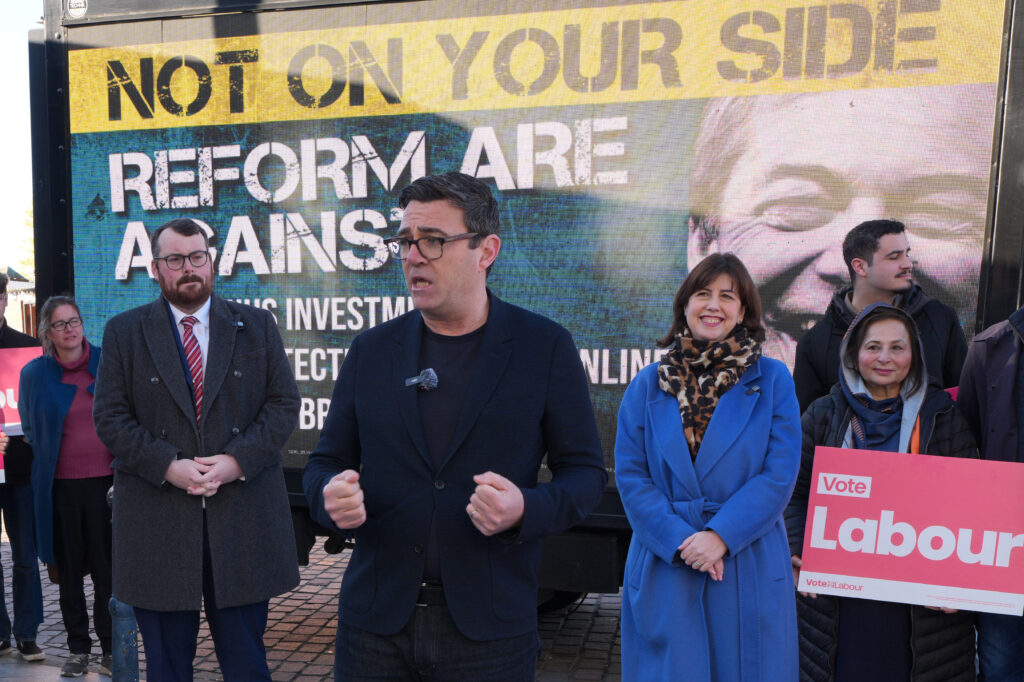
Calls for Keir Starmer to quit are getting louder, Lucy Carrier-Pilkington examines what new leadership could mean for the lobbying industry.

Nick Laitner, MD of Teneo, describes his public affairs journey from graduate intern to senior UK political influencer. Agency success, he says, comes from hiring and mentoring the

Following a series of lobbying scandals, the CIPR's White Paper is a tough new step to improve transparency in Westminster's lobbying laws.

“AI can’t read the room (!)… influence still depends on relationships, trust and understanding how decisions are made.”

The reform concerns a pre-existing law on the Regulation, Authorisation and Restriction of Chemicals (REACH) and has been in place since June 2007.

After his father died of a NHS failure and his mother from a late cancer diagnosis, Jon Antoniazzi has been on a determined career path to change health
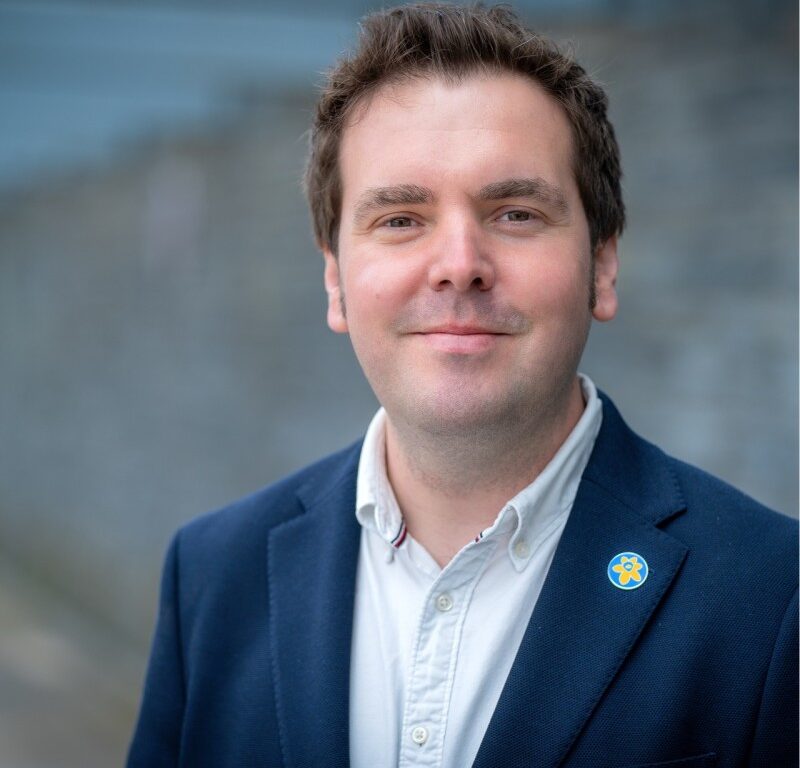
New 'global investor visa' proposed by lobby group as UK struggles to attract the super-rich

The Labour MP on the cost of living crisis, the challenges in Ukraine and West Papua, and the best places in Leeds for a night out
