The hidden cost of doing business in the UK, and why this needs to change
The status of the UK as a leading destination for business is under threat, warns CEO Clive Wratten.


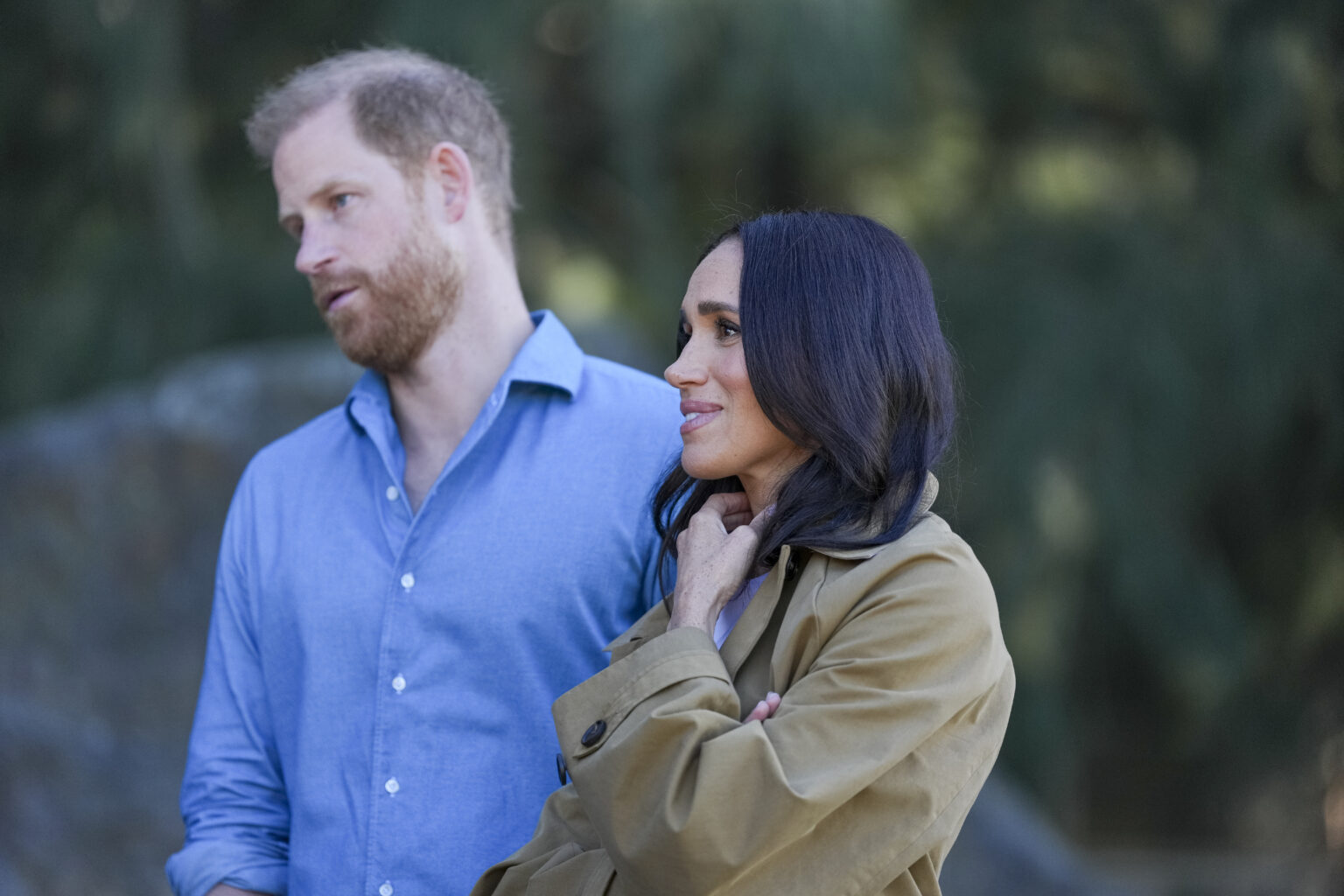
You don’t have to like the Sussexes to believe the government has a duty to protect them.
In an unprecedented move by Prince Harry and Meghan Markle, the California duo will shortly be moving back to the UK with their two young children ahead of the new school year. Prince Archie, seven, and Princess Lilibet, five, have already been enrolled in an undisclosed school and are due to start their British education in September. Security for the family has been the centre of public debate since the surprise announcement that they will be returning to Harry’s homeland – an issue that was previously a dealbreaker for the Prince.
Their return is a sharp U-turn from Prince Harry’s stance in May 2025 when he could not “see a world in which I would be bringing my wife and children back to the UK” after the state denied his request for security.
Their return is a huge personal gamble but soon the Sussexes will once again be living in the United Kingdom full time – and the state has an absolute responsibility to ensure their safety.
“If the state has a duty to protect children in this country, it cannot simply abandon that duty when those children happen to belong to a controversial family.”
It is undeniable that the Sussex family will face a high security risk. Not only are they the immediate family of the King, but Harry is an ex-serviceman who has (perhaps naively) made it public knowledge that he killed 25 members of the Taliban while in Afghanistan. Despite stepping back as working royals, they are still national symbols, and thus likely to be targets for terrorist groups, foreign agents and domestic criminals. Some may argue that Meghan and Harry chose to step away from royal duties and should therefore forfeit the privileges that come with them. But whatever their controversies or PR failings, that argument cannot reasonably be extended to their children. Archie and Lilibet are innocent, defenceless and entirely without responsibility for their parents’ decisions. They are also the grandchildren of the King. If the state has a duty to protect children in this country, it cannot simply abandon that duty when those children happen to belong to a controversial family.
There has been widespread media speculation about where the brother and sister will attend school. What we know so far is that they are likely to attend a private, co-educational school, allowing them to remain together. The names that are currently circulating include: Beaudesert Park School in Gloucestershire, Windlesham House School in West Sussex, Bedales School in Hampshire, and Cheam School in Hampshire where Harry’s grandfather Prince Philip attended. Another name circulating is Lambrook School where Princess Charlotte and Prince Louis attend, however this is less likely given Harry’s estrangement from his brother Prince William. A lesser-known but possible name is Kitebrook School, a coeducational school based in the Cotswolds.
Thus far, two former home secretaries have called for the Duke and Duchess of Sussex to be given a limited and temporary security package. Since it is unclear how long the couple are planning to stay, security planning is restricted until that is confirmed. Former Home Secretary Lord Blunkett said there was a “happy medium” in which the family could be given a moderate level of security protection that could be reviewed later down the line depending on the security threat posed to the family. Another former home secretary, who has chosen to remain anonymous, said their security should be “limited and restricted and not full time” but said it was “hard to imagine how he and his family would not receive some protection”.
Blunkett said: “If I were looking back on my time, there’s a happy medium here. There are three areas of security. There’s the fully blown, blacked-out back-up car with two or three close protections — one in the passenger car and the others in the back-up on a 24-hour basis.”
However, the public feel differently. In a YouGov poll of 2,128 British adults, 71 per cent said the government should not fund any of the family’s security. This comes amid a growing security bill funded by taxpayers to protect nine former prime ministers — a record number.
The status of the UK as a leading destination for business is under threat, warns CEO Clive Wratten.
With the UK housing market already under economic pressure, this is not the right time to introduce new rental reforms that will damage investor confidence, says Kamal Pankhania,
Our governments are simply not designed for the challenges we face in the modern day, warns Professor Nada Kakabadse.
Calls for Keir Starmer to quit are getting louder, Lucy Carrier-Pilkington examines what new leadership could mean for the lobbying industry.

As marketing automation becomes more sophisticated marketers must own that responsibility, says Chris Combemale.

Starmer's future hangs in the balance as Labour prepares for a potential leadership contest.

The survival of our nation depends upon rebuilding trust in government between ministers and officials, says Sir Bernard Jenkin MP
New exposé reveals civil servants have been exploiting flexible working policies at the expense of the tax payer.
With a new five party electoral choice on May 7th, Labour has not adapted its local campaigning strategy effectively.

Robert Jenrick, Reform's Shadow Chancellor, used the Bank Holiday to make clear that his party would not be introducing a tourism tax.