Andy Burnham’s social media strategy faces questions over traditional media
The former Downing Street communications chief believes “there are hard truths coming” for Burnham.

Ahead of the hotly anticipated Budget on Wednesday, Ella Beadman analyses what it could mean for welfare spending
The first budget under the new Prime Minister takes place on Wednesday with households and businesses across the country waiting to find out what the planned fiscal changes could mean for them.
However, welfare is the hot topic.
Following on from the attempts of his predecessor, Burnham has insisted that he will get the welfare bill down. This year, changes to the benefit system are likely to be announced after the budget rather than at the event itself. However, the money saved through Healey’s policies could shape how much pressure remains on reducing the welfare bill.
Is spending on welfare really out of control?
The UK welfare system is facing mounting pressure as estimated spending hits £333.7 billion for the 2025/26 fiscal year, rising from a total spending of £314.9bn in 2024/25. Figures show that the total spending on welfare is more than that for both defence and policing combined with the total government spending for the two in 2025/26 coming to an estimated £93.6bn.
The welfare bill is forecast to rise to £408.6bn by 2030-31. This projected increase is fuelling calls from across the house to rein in spending, particularly on disability benefits and those being given to young people.
So where is the money being spent? Welfare spending can be broken down into four main categories. According to the Department of Work and Pensions £177.7bn will be spent on benefits for pensioners (this is around 55% of social expenditure), £145bn is spent on workers and child welfare, and £77.1bhn is being spent on benefits to support disabled people and people with health conditions. Additionally, £37.3 billion is spent on housing benefits.
Why is spending rising?
One of the biggest contributors to the rise in welfare spending is pensions. When the triple lock was introduced in 2011, it guaranteed that state pensions would rise in value every year to ensure that people would be better off when they retired. This is achieved through a system in which pensions increase by whichever is highest: inflation, wage increases or by 2.5%.
However, following an announcement at the Labour Party conference, Burnham said the triple lock would change to a double lock from April 2030. Changes will mean the state pension will continue to rise every year by inflation or by 2.5%. This change is aimed to help the government save money which could then be redirected to pay for his proposed National Care Service.
High Youth unemployment is also a massive contributor to growing welfare spending. According to the Office for National Statistics (ONS), there were 981,000 young people aged 16 to 24 not in employment, education or training (NEET) in April to June 2026. Much of this crisis is attributed to a perfect storm of a shrinking job market, reduced spending on education and the Covid 19 pandemic. With the number of entry level jobs falling by 1.6 million over the past 20 years and the amount of young people citing a mental health condition doubling to more than four in 10 people, the quantity of young people claiming benefits is soaring.
Burnham has described the NEET crisis as a “moral failure”. He stated that he will set out his plans for welfare reform following on from the publication of two reviews into youth unemployment and disability benefits later this year.
What changes can be expected?
Some of the changes we expect to see to the welfare bill include cuts to disability benefits for younger claimants, alongside limiting eligibility for pip on mental health grounds. Additionally, the health element of universal credit could also be removed for claimants under the age of 25 which would impact a group of 250,000.
Following on from the announcement on the triple lock, Healey’s budget is also expected to shield pensioners on low incomes from income tax.
Is the welfare bill sustainable?
The sustainability of the welfare bill is a major point of debate among politicians and economists with a growing consensus that the current trajectory of spending is in need of structural reform.
Conservative party leader Kemi Badenoch has warned that Labour’s spending on welfare and public sector pay rises is further contributing to rising prices in the shops. In PMQ’s last week the conservative leader said: “We know where that leads. The only solution to the challenges facing our country is to cut spending and to cut borrowing. The out-of-work benefits bill is set to rise by £50bn under this Government. So will the Prime Minister get a grip and cut the welfare bill?”.
However, reform is difficult and is often perceived as an attack on some of society’s most vulnerable. Kier Starmer’s attempts to reshape the assessment criteria for Pip, which aimed to save £5bn a year, was met with contempt and a threatened rebellion by 126 labour MP’s leaving him with no choice but to back down. This leaves Burnham and Healey with the task of finding the right balance, which will be no easy feat.
The former Downing Street communications chief believes “there are hard truths coming” for Burnham.
John Gill's promotion at Reform UK, just before the party launches its inaugural Business Day at its September NEC conference, is indicative of how the party is ramping

Wiliam Cash reflects on how the myth of Clacton and its reality has created media distortion when it comes to reporting on Farage’s seaside spiritual HQ.
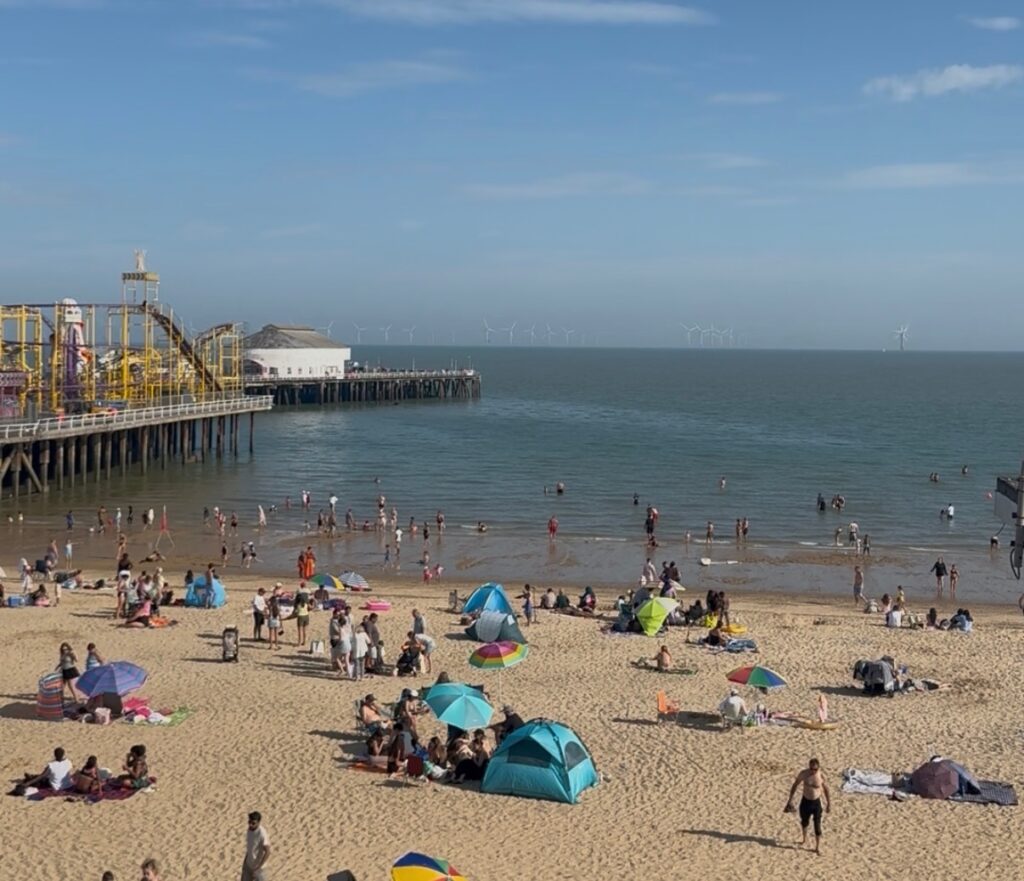
Ahead of the Clacton-on-Sea by-election this Thursday, Mace went to the constituency to hear what local businesses make of the media circus that has descended on the seaside town, and the changes they want

Andy Burnham is shaking up government with more changes than by any incoming prime minister in memory. But, asks Sir Bernard Jenkin MP, does he understand why the

For 10 months, ex-army officer James Jeffrey trekked 3500 km across Europe by foot. The scale of migration he witnessed may not have been as dramatic as the

After heading the Makerfield by-election comms team, Grace Pritchard was singled out by Andy Burnham as being a key part of his northern campaign team. The self-styled 'Yorkshire

The Civil Service is ready to support Dame Antonia Romeo's flagship changes to government machinery - notably relating to AI and devolution - under new prime minister Andy

The news that former Home Secretary Sir Grant Shapps has failed to make the new Tory candidate list has put fear into dozens of former Conservative MPs. Whether

New Prime Minister Andy Burnham has an opportunity to make Britain the best place to start and scale a business, argues CEO Liam Houghton.
