Green and pleasant plans

Ben Goldsmith | 4th November 2021 | Uncategorised
48837144541_665a46b26c_o

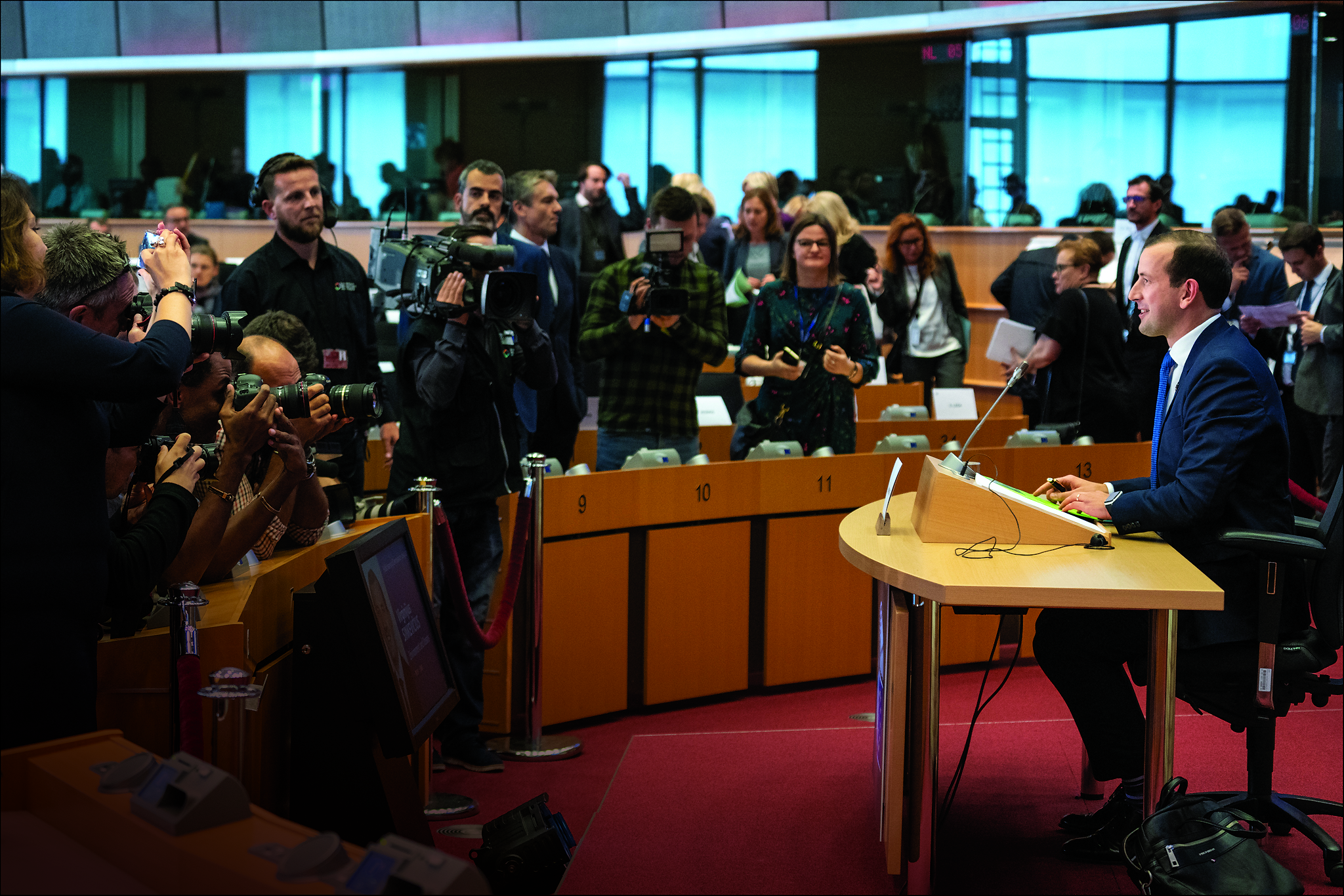
Virginijus Sinkevičius, the EU’s youngest commissioner speaks to Ben Goldsmith, chair of the Conservative Environment Network, about Cop26, collective responsibility and blue carbon

Virginijus Sinkevičius is the EU’s youngest commissioner. He is charged with ensuring the environment, oceans and fisheries remain at the core of the European Green Deal. Ben Goldsmith, chair of the Conservative Environment Network, talks to him about Cop26, collective responsibility and blue carbon. Ben Goldsmith: European Commission President Ursula von der Leyen has pinned her leadership on the success of the European Green Deal, and at its centre is reaching net zero emissions by 2050. This is a collective target, rather than one that commits each individual member state to net zero. Commissioner, are you confident that all member states will pull their weight to deliver this ambition?   Virginyus Sinkevičius: The European Union is a diverse family of 27 member states, each with their own national specificities. This has to be reflected in how we implement the European Green Deal. The transition to a climate-neutral continent by 2050 must be achieved in an equitable and fair manner, taking into account that member states have diverse economies and energy dependencies.  Solidarity is hence a core component of our climate policies. Setting clear national targets while safeguarding flexibility is crucial so that every country can make its fair contribution without causing disproportionate adverse social impacts on its citizens. For instance, the regulation Governance of the Energy Union and Climate Action sets common rules for member states to follow when planning, reporting and monitoring, and it also establishes methods for tracking the implementation of climate legislation.  Under the Effort Sharing Regulation, member states have legally binding annual greenhouse gas emission targets over the next ten years for sectors not covered by the EU Emissions Trading System. The regulation recognises the different capacities of each country by setting individual country targets in accordance with GDP per capita. EU funds and budgetary measures are also helping EU countries to take the necessary action to achieve our collective climate ambitions. Some 30 per cent of the EU’s long-term budget from 2021 to 2027 will be spent on fighting climate change. Similarly, the temporary recovery instrument – the Recovery and Resilience Facility – is funding member states’ recovery plans. Within each of these plans, at least 37 per cent of expenditure must go towards climate investments and reforms. The Just Transition Fund is helping member states to alleviate the social and economic costs resulting from the climate transition, while the Modernisation Fund assists ten lower-income Member States to modernise their energy systems and move away from fossil fuel dependency. These measures are supporting all EU members states in their efforts to contribute to our overall ambition of reaching climate neutrality by 2050. BG: The UN Climate Conference in Glasgow in November will be the next pivotal moment for climate diplomacy since the signing of the Paris Agreement. What should Cop26 aim to achieve?  VS: The EU is a global leader in taking ambitious climate action, but we cannot solve this crisis alone. The world requires strong cooperation between countries, businesses and civil society to cope with the challenge of securing a safe climate for the future. This is at the heart of the upcoming Cop26. While the EU is reducing its greenhouse gas emissions, which currently account for around 7.5 per cent of the global total, overall global emissions are still rising.  I want to stress that we very much welcome the United States’ return to the Paris Agreement and the many pledges from governments around the world on emissions reductions and climate neutrality. However, we are in a critical decade requiring immediate and sustained action by everyone. Emissions must be at least halved by 2030 if we are to have any chance of achieving the Paris agreement’s goal of limiting the global temperature to no more than 1.5C. This is why it is vital that countries come to the Cop26 with more ambitious emissions reductions targets and climate ambitions.  It is also pivotal that Cop26 catalyses stronger climate finance commitments from high-income countries to support the green transition in low-income countries and to enhance the adaptation capacities of countries already facing the worst impacts of climate change. We are currently working closely with countries around the world to help support their ambitious pledges for climate adaptation and mitigation. So in Glasgow, we really need global solidarity and ambitious leadership to ensure an inclusive, bold, low-emission and climate-resilient global recovery from the Covid pandemic. The clock is ticking and a return to business as usual is not an option. BG: How can we maximise nature-based solutions, particularly “blue carbon” from mangroves, seagrass meadows and kelp forests, to help tackle climate change and biodiversity loss? And will the potential of blue carbon be raised at this year’s UN biod...

Subscribe to The Mace

Join the member community shaping British politics and stay ahead of what's really happening in the world of politics and public affairs, with expert analysis, breaking news, and insider insights from Westminster and Brussels. The Mace is the leading news source and resource for the government affairs industry, offering required reading and lobby intelligence for professionals.

To see what you are missing out on by not subscribing to The Mace, click here to download our full membership info-pack. This includes having no paywall on op-ed content or profiles/interviews, allowing professional profiles to be read with maximum impact and visibility by government, special advisers, MPs, peers, civil servants, and policy and political decision-makers.

EU Forces Meta to Reshape Ads Policy After 200 Million Euro Fine

Mace | December 10, 2025

Meta agrees to overhaul its EU ad model, offering clearer data-sharing choices for users after regulators ruled its previous system breached competition rules.


EU Governments Agree Common Position on New Asylum and Migrant Return Rules

Mace | December 10, 2025

EU states back new asylum and return measures, including safe-country rules and a solidarity pool, ahead
MACE Marks Five Years with Westminster Celebration

Mace | December 4, 2025

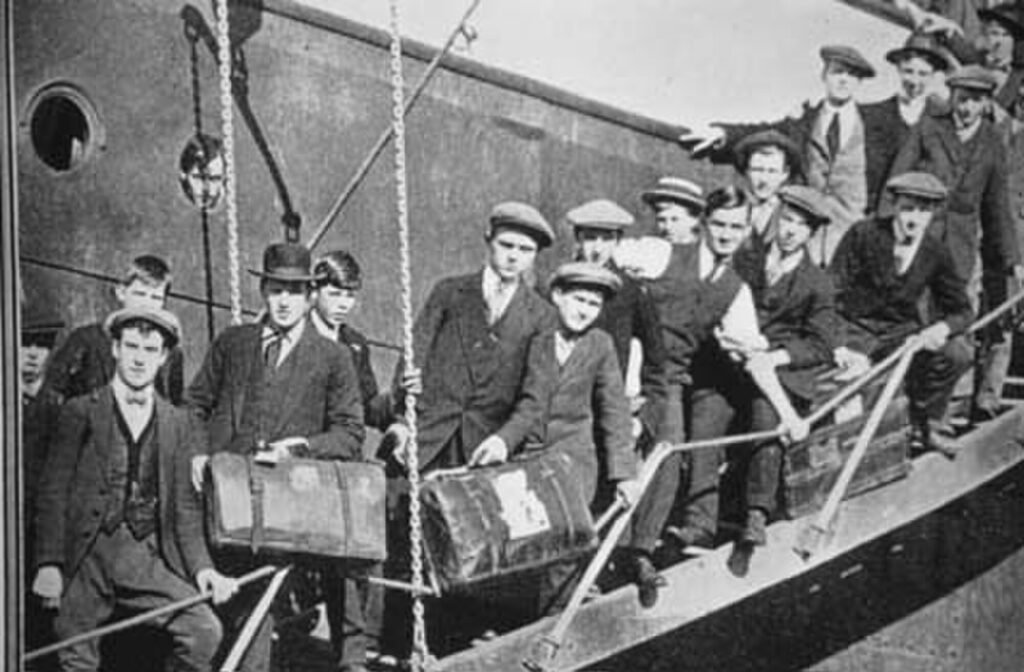
MACE marked its 5th anniversary with a high-profile Commons reception of politicians, diplomats, media figures and lobbyists, launching its influencers report
Scathing criticism

Christopher Silvester | December 3, 2025

From self-lacerating memoir to by-election madness and a Labour Together takedown, The Mace’s literary editor Christopher Silvester rounds up the latest political books.

Telling a human tale

Christopher Silvester | December 3, 2025

From self-lacerating memoir to by-election madness and a Labour Together takedown, The Mace’s literary editor Christopher Silvester rounds up the latest political books.

Ex-deputy chair among Tory defections to Reform

Mace | November 30, 2025

Three former Conservative MPs, including ex-deputy chair Jonathan Gullis, defect to Reform UK as the party capitalises on Tory unrest and declining support.

UK–EU Defence Fund Talks Collapse Over Entry Fee Standoff

Mace | November 30, 2025

Talks between London and Brussels collapsed after the EU demanded a high entry fee for SAFE, leaving the UK limited to third-country participation.

Government to Ban Asylum Seekers from Taxi Services

Thomas Edwards | November 30, 2025

The government plans to end most taxi travel for asylum seekers attending medical appointments, replacing it with public transport and tightening Home Office oversight.

Yermak’s Resignation Sends Shockwaves Through Kyiv and Europe

Mace | November 29, 2025

The resignation of Andriy Yermak after anti-corruption raids disrupts Ukraine’s leadership and triggers uncertainty across Europe during a critical phase of the war.

Autumn Budget 2025: family finances squeezed, welfare rules eased

Mace | November 29, 2025

After weeks of tax rumour and expectation-setting, the 26 November Budget landed as a welfare-first package that lifts the benefits cap but tightens the screw on household incomes,