French markets wobble as Bayrou’s confidence vote spooks business and investors

Mace | 27th August 2025 | Brussels, Politics
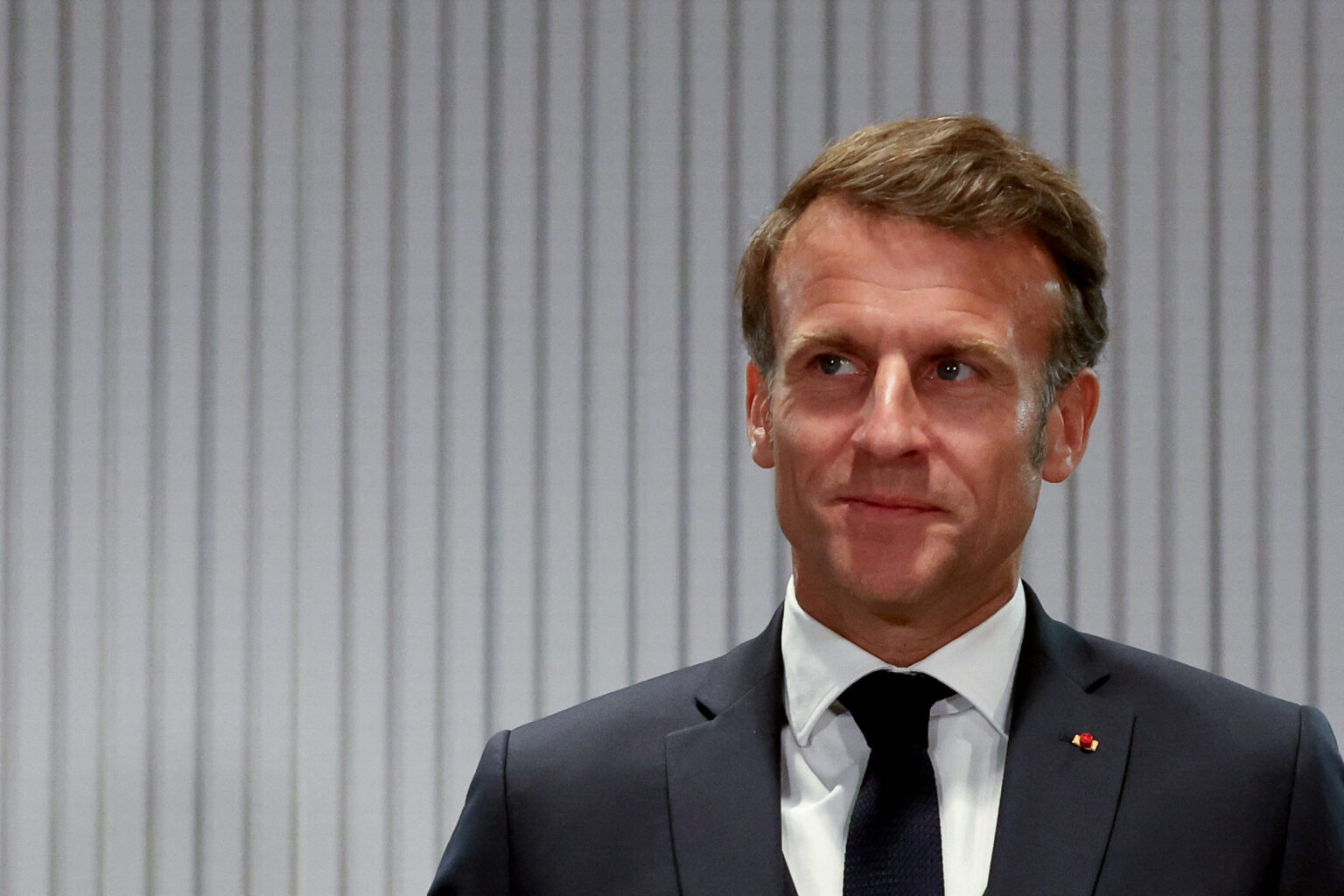
KANANASKIS, CANADA - JUNE 16: France's President Emmanuel Macron attends a bilateral meeting with British Prime Minister Keir Starmer at the G7 Leaders' Summit on June 16, 2025 in Kananaskis, Canada. Keir Starmer is attending his first G7 leaders' summit, where issues on the table for discussion are the escalating conflict in the Middle East, as well as the failure to bring peace to Ukraine. (Photo by Suzanne Plunkett-Pool/Getty Images)

French business leaders warn of economic damage after Prime Minister François Bayrou set a 8 September confidence vote linked to budget plans. Stocks fell and bond spreads widened as opposition parties refused support. Markets partially stabilised, but sentiment remains fragile ahead of the vote and any budget revisions.

French business leaders warn of economic risk as Bayrou’s confidence vote jolts markets French business leaders are warning about economic fallout from the prime minister’s decision to call a confidence vote, with fears of recession resurfacing as investors react to the latest bout of political uncertainty in Paris. Market gauges and credit spreads moved sharply as the prospect of government collapse returned to the fore. Prime Minister François Bayrou has slated a confidence vote for 8 September tied to his budget plans. France’s minority administration lacks a stable majority and three opposition blocs have said they will not back the government. Polling points to pressure for fresh elections if the cabinet falls. Equities and bonds sold off after the announcement. The CAC 40 dropped to a three week low before a modest rebound, while banking stocks remained weak. The risk premium on French debt widened as investors adjusted positions in response to the political timetable and uncertainty over fiscal consolidation. French government bond yields climbed to their highest since March and the spread between ten year French and German benchmarks moved toward eighty basis points, the widest since April, signalling increased caution over the outlook. Traders cited hedging for instability after the confidence vote was set. Business leaders described heavy economic risks from prolonged instability and from a failed confidence vote. Executives warned about the potential drag on investment and consumer sentiment and flagged the danger that widening funding costs could feed through to the broader economy. Reports in European financial media said the French risk premium surpassed that of Spain, Portugal and Greece, with only Italy higher, as markets weighed the government’s chances in parliament and the scale of proposed deficit reduction. Retail leaders also cautioned about the growth outlook. Bayrou has said he will meet party leaders in the coming days and that he has the full support of the president. The calendar leaves limited time to secure votes before deputies return to pass the budget framework. Official messaging has aimed to steady markets while parliamentary arithmetic remains fluid. Investors remain focused on the 8 September vote and on any revisions to the budget plan that might shift parliamentary positions. European indices steadied after the initial selloff, but sentiment toward French assets remains sensitive to headlines ahead of the confidence motion....

Subscribe to The Mace

Join the member community shaping British politics and stay ahead of what's really happening in the world of politics and public affairs, with expert analysis, breaking news, and insider insights from Westminster and Brussels. The Mace is the leading news source and resource for the government affairs industry, offering required reading and lobby intelligence for professionals.

To see what you are missing out on by not subscribing to The Mace, click here to download our full membership info-pack. This includes having no paywall on op-ed content or profiles/interviews, allowing professional profiles to be read with maximum impact and visibility by government, special advisers, MPs, peers, civil servants, and policy and political decision-makers.

Inside the Cummings Revolution

Adam Solomons | January 16, 2020

How much can Whitehall’s antiquated government offices learn from the Palo Alto tech giants?

Dominic Cummings Special

The Jackdaw: Staffers Had It Hardest

Marie Le Conte | January 16, 2020

Over the last year we’ve seen dozens of MPs switch parties or go independent. But how does such an unexpected move affect their hard-working staff?

Diary: Harry Potter Politics with Damian Collins

Damian Collins MP | January 15, 2020

Damian Collins remembers his election victory and rejoices at the new Commons term