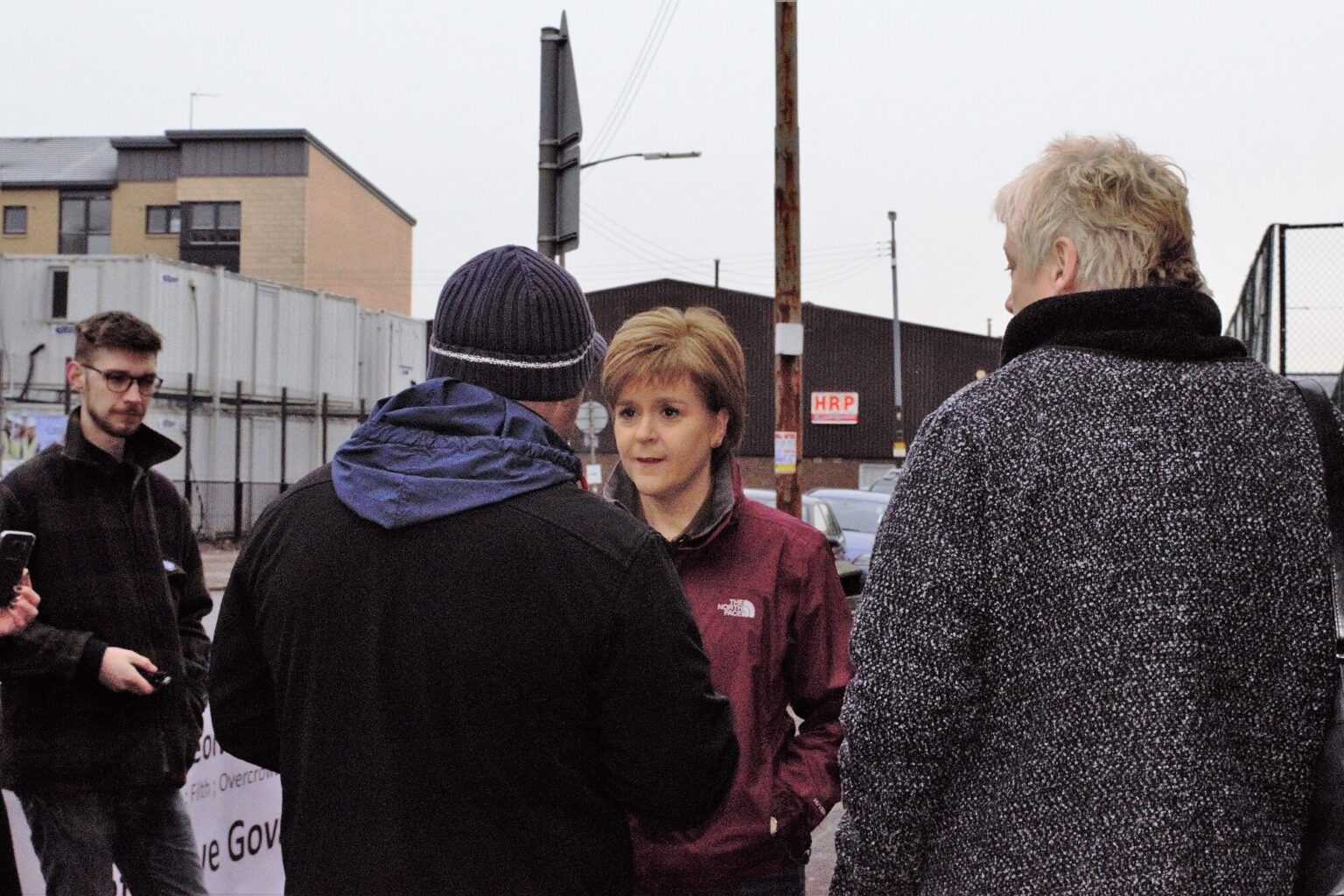
Frankly: Nicola Sturgeon

Christopher Silvester | Issue 7 | Comment, Magazine

From the Archive

Nicola_Sturgeon_(24027209673)

From self-lacerating memoir to by-election madness and a Labour Together takedown, The Mace’s literary editor Christopher Silvester rounds up the latest political books

We begin by casting back to late summer to include Nicola Sturgeon’s memoir Frankly in this seasonal survey of new political writing. According to Sunday Times interviewer Decca Aitkenhead, who had read the book in advance, it is “quite unlike most political memoirs” and “feels more like the author’s self-critical internal audit, detailing the thinking behind every decision and drama of 30 years in politics… Reading Frankly, there were moments when it felt like The French Lieutenant’s Woman rewritten by Margaret Atwood, a dark Victorian tale of a woman’s reputation ruined.”

Intriguingly, Sturgeon states in the book: “Long-term relationships with men have accounted for more than 30 years of my life, but I have never considered sexuality, my own included, to be binary.” Alex Massie, columnist for The Times, described the book as “an artfully constructed piece of special pleading designed to demonstrate, once and for all, that Nicola was Right All Along.” There is little acknowledgement of SNP policy failures. She is coy about the police investigation into her husband’s handling of SNP finances, but that is perhaps understandable since the case is sub judice until his trial early next year.

Several commentators were intrigued by Sturgeon’s claim in the book that despite having had long-term relationships with men for over 30 years, “I have never considered sexuality, my own …

Subscribe to The Mace

Join the member community shaping British politics and stay ahead of what's really happening in the world of politics and public affairs, with expert analysis, breaking news, and insider insights from Westminster and Brussels. The Mace is the leading news source and resource for the government affairs industry, offering required reading and lobby intelligence for professionals.

To see what you are missing out on by not subscribing to The Mace, click here to download our full membership info-pack. This includes having no paywall on op-ed content or profiles/interviews, allowing professional profiles to be read with maximum impact and visibility by government, special advisers, MPs, peers, civil servants, and policy and political decision-makers.


Meet the contrarians

Ali Miraj | February 3, 2022

As an increasing number of people are being silenced for challenging the status quo, the Contrarian Prize recognises individuals who dare to be different


Envisioning the end time

Robert Tyler | February 2, 2022

A new collection by Bruno Maçães foresees China’s dominance over the West

Fine words from Defra butters no parsnips

Gilbert Greenall | February 1, 2022

Can new laws make farming pay? If not, our countryside faces the biggest threat for centuries

Dolitics: breaking the prison cycle

Dolly Theis | January 28, 2022

Criminal – or victim of poverty? It’s never a simple story

Erskine

Bernard Jenkin | January 27, 2022

The Scottish draft Bill on gender recognition throws up uncertainties and would weaken women’s sex-based rights in the UK. Political dialogue is urgently needed
As the pandemic slows, Britain will continue to succeed

Azeem Ibrahim | January 26, 2022

Boris Johnson may be in trouble, but the Britain he leads is not, argues Azeem Ibrahim
Magic mountain

William Cash | January 25, 2022

Why reports of the death of Davos Man are exaggerated

The Diary: Chris Bryant

Chris Bryant | January 21, 2022

MPs apparently rank somewhere between pigeons and rats. Recent polling suggests that things are getting worse

Leading without vision

Lucy Kenningham | January 20, 2022

Premiers are different to the crowd: an electorate teeming with Thatcher’s drive and Blair’s self-belief would be a nightmare

Is the art marketplace misunderstood?

Joanna Van der Lande | January 20, 2022

Propaganda against the market continues to grow, and with it increasing pressure to restrict its activities