Europe’s Embattled Progressives

François Valentin and Jorge González-Gallarza | 12th November 2021 | Brussels, Comment, Diplomacy
francesco-califano-kAC8c1Sq58Y-unsplash

Europe took a decidedly neoliberal shift thirty years ago, but centre-left moderates still view the union as a beacon of progressivism

It’s the summer of 1941. Italy is conducting a series of territorial annexations in east Africa and the Mediterranean. On one of its smaller islands, Ventotene, a little-known anti-fascist activist is languising in prison. Altiero Spinelli is putting his fantasises about Europe’s post-bellum future to paper. The resulting document, Ventotene Manifesto, would become the blueprint of the European Federalist Movement (EFM) founded two years later. It’s a call for the nations of the Old Continent to forfeit their sovereignty and give way to a European federation under socialist principles. 80 years into the integration project that Spinelli helped spearhead, has the European Union lived up to the expectations of its progressive cheerleaders? One goal, two paths Undoubtedly yes, argued historian Konrad H. Jarausch in the latest episode of Uncommon Decency. Right-wing populists, he argues, view Europe as something of a dirty word, on both sides of the Atlantic. For Jarausch, this is a testam...

Subscribe to The Mace

Join the member community shaping British politics and stay ahead of what's really happening in the world of politics and public affairs, with expert analysis, breaking news, and insider insights from Westminster and Brussels. The Mace is the leading news source and resource for the government affairs industry, offering required reading and lobby intelligence for professionals.

To see what you are missing out on by not subscribing to The Mace, click here to download our full membership info-pack. This includes having no paywall on op-ed content or profiles/interviews, allowing professional profiles to be read with maximum impact and visibility by government, special advisers, MPs, peers, civil servants, and policy and political decision-makers.


How will the war in Ukraine end?

Lucy Kenningham | March 7, 2022

Finnish Ambassador to the UK Jukka Siukosaari reveals the Finnish insight on Russia and speculates on how the conflict will end
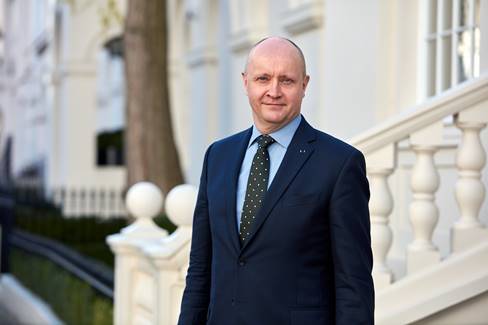

Reworking labour rights

Richard Milsom | March 4, 2022

The Malaysian palm oil industry is one of many making strides towards stamping out forced and trafficked labour

How to preserve European unity

Hilde Vautmans | February 23, 2022

There may be dissent within the EU – but key changes and a new mindset can yet win the day

Who’s ready to regulate social media?

Tamás Orbán | February 18, 2022

Social media is an obstacle to free speech

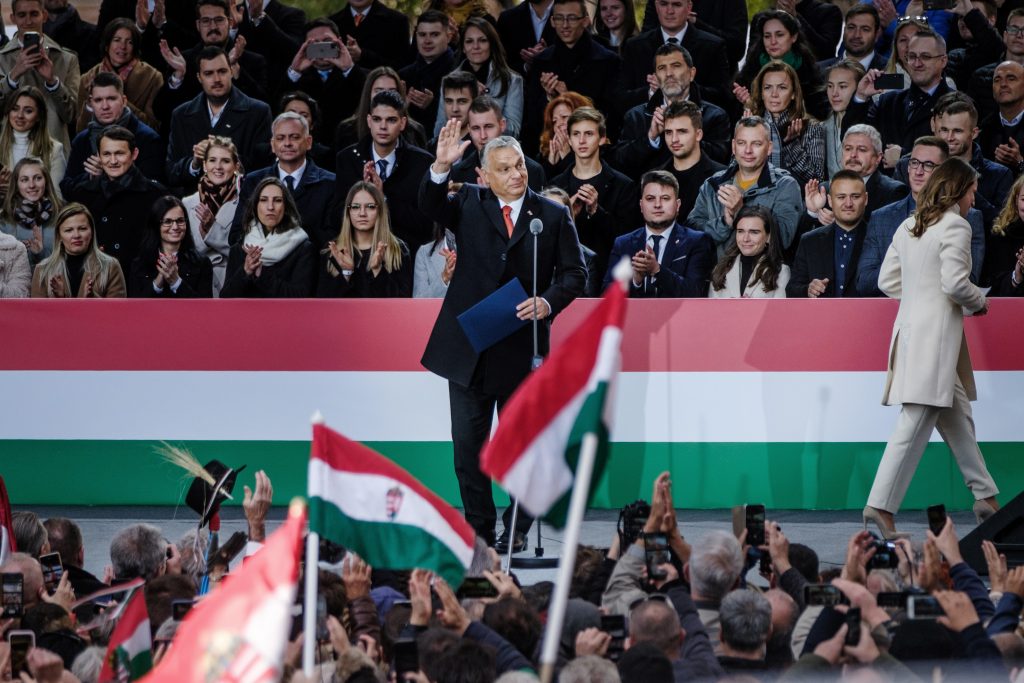
Can Viktor Orbán be defeated? 

François Valentin and Jorge González-Gallarza | February 11, 2022

Hungary’s opposition seems united around little more than its dislike of the PM and his Fidesz party. Will that be enough to beat him in April's elections? 
Due diligence rules show the path forward

Andrew Percy | February 11, 2022

The EU’s Due Diligence plans are significantly more restrictive, prescriptive and burdensome than the UK’s legality standard

Interview: European and African trade

Themistoklis Asthenidis | February 10, 2022

György Hölvényi MEP reveals his expectations for a new partnership deal between the European Union and the African Union

Why start ups are the flavour of the month

Daniel Dalton | February 9, 2022

The future’s bright for startups – especially if the UK and EU can work together and rise to global challenges

The Helm Review: Flop26

Dieter Helm | February 7, 2022

Mace hears from economist and climate expert Professor Dieter Helm on his assessment of Cop26

Meet the contrarians

Ali Miraj | February 3, 2022

As an increasing number of people are being silenced for challenging the status quo, the Contrarian Prize recognises individuals who dare to be different