Europe’s Defence Boom: How Rising Military Spending is Reshaping Industry and Investment

Mace | 11th March 2025 | Uncategorised
Thaad,Missile,Defence,System.,The,Terminal,High,Altitude,Area,Defence

Europe's surge in defence spending is fuelling a boom for industry giants like Rolls-Royce and reshaping investment strategies across the continent.

Europe's defence landscape is undergoing a seismic shift, with nations ramping up military expenditures in response to evolving geopolitical challenges. This surge in defence spending has invigorated the European defence industry, leading to notable gains for companies like Rolls-Royce, BAE Systems, and Rheinmetall. The United Kingdom has taken a decisive stance by announcing plans to increase defence spending to 2.5% of its GDP by 2027. This commitment has had an immediate impact on the stock market, with shares of UK defence companies experiencing significant upticks. BAE Systems, for instance, saw its stock price rise by 9% following the announcement. Germany, Europe's largest economy, is also investing in its defence capabilities. The recent German election brought defence issues to the forefront, with political leaders emphasising the need for enhanced European security and a reduced dependency on the United States. German defence firms, notably Rheinmetall, have experienced share price gains amid expectations of increased defence budgets. Rolls-Royce, a stalwart in the aerospace and defence sector, has capitalised on this trend. The company secured a landmark £9 billion contract with the UK Ministry of Defence to produce nuclear submarine reactors for the Royal Navy. This eight-year "Unity" contract is the largest in the company's history and is expected to create over 1,000 jobs while safeguarding an additional 4,000 positions. The financial implications of these developments are significant. Rolls-Royce reported a 57% increase in operating profit, reaching £2.5 billion, and announced a £1 billion share buyback programme. The company's market valuation has soared to £64 billion, reflecting a 110% increase over the past year. Investor interest in defence stocks has been further fueled by geopolitical dynamics. The U.S. administration's recent tariff threats and calls for Europe to bolster its own military spending have prompted a reevaluation of European equities. The Euro Stoxx 50 index has risen by 11.9% post-election, outpacing the S&P 500's 3% increase, as investors perceive European markets as value opportunities amid overextended U.S. tech stock valuations. The European defence sector's robust performance is also reflected in the activities of exchange-traded products (ETPs). GraniteShares reported that its 3x Long Rolls-Royce Daily ETP achieved strong returns, while the 3x Long BAE Daily ETP also performed well in February, indicating heightened investor confidence in the defence sector. In addition to traditional defence companies, the sector's expansion has prompted discussions about the ethical considerations of defence investments. The need to support Ukraine in its conflict with Russia has sparked debates on whether investing in defence can align with environmental, social, and governance (ESG) principles. Some fund managers argue that well-managed defence companies can be compatible with ESG criteria. The increased defence spending is not confined to the UK and Germany. France's Thales and Italy's Leonardo have also seen significant share price gains, indicating a broader European trend towards bolstering defence capabilities. Analysts predict that defence and immigration issues will dominate Germany's coalition discussions, with expectations of German defence spending rising in the next government term. This paradigm shift in defence spending marks a departure from Europe's post-Cold War approach, signalling a new era of military investment. The implications extend beyond national security, influencing economic policies, industrial strategies, and international relations. As European nations reassess their defence postures, the defence industry stands as a pivotal beneficiary, positioned for sustained growth in the coming years. The convergence of geopolitical pressures, policy decisions, and investor sentiment has created a dynamic environment for the European defence sector. Companies like Rolls-Royce are at the forefront, leveraging government contracts and market opportunities to drive growth. As Europe navigates this complex landscape, the defence industry's trajectory will be a critical indicator of the continent's strategic and economic direction. In summary, Europe's escalating defence expenditures have catalyzed a renaissance in the defence industry, offering lucrative prospects for companies and investors alike. The interplay between policy initiatives and market responses will continue to shape the sector's evolution, reflecting broader trends in global security and economic realignment.    ...

Subscribe to The Mace

Join the member community shaping British politics and stay ahead of what's really happening in the world of politics and public affairs, with expert analysis, breaking news, and insider insights from Westminster and Brussels. The Mace is the leading news source and resource for the government affairs industry, offering required reading and lobby intelligence for professionals.

To see what you are missing out on by not subscribing to The Mace, click here to download our full membership info-pack. This includes having no paywall on op-ed content or profiles/interviews, allowing professional profiles to be read with maximum impact and visibility by government, special advisers, MPs, peers, civil servants, and policy and political decision-makers.

EU Forces Meta to Reshape Ads Policy After 200 Million Euro Fine

Mace | December 10, 2025

Meta agrees to overhaul its EU ad model, offering clearer data-sharing choices for users after regulators ruled its previous system breached competition rules.

EU Governments Agree Common Position on New Asylum and Migrant Return Rules

Mace | December 10, 2025

EU states back new asylum and return measures, including safe-country rules and a solidarity pool, ahead
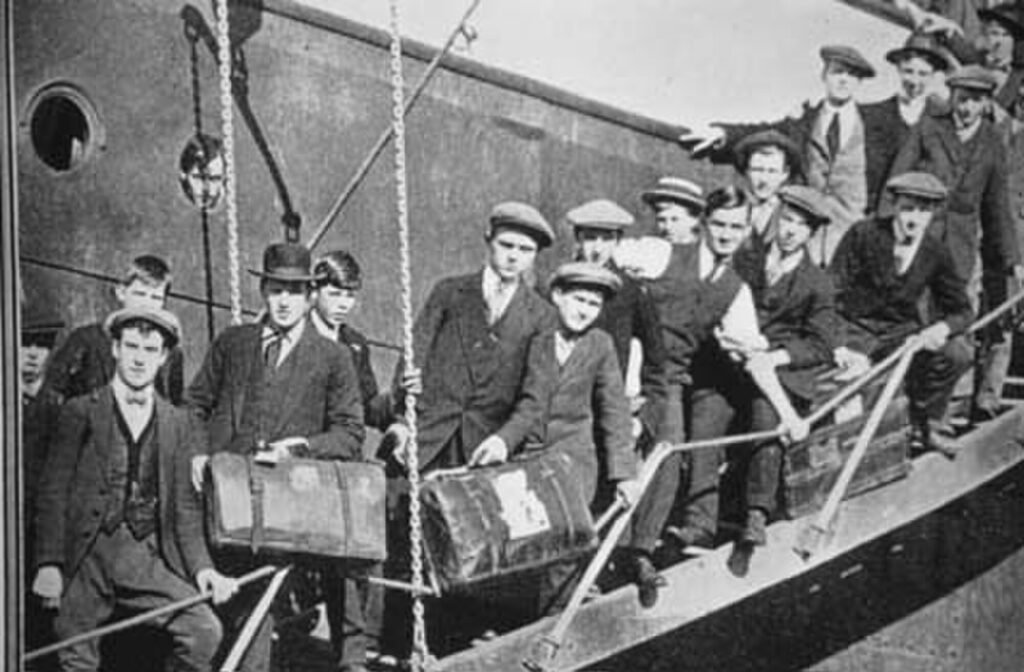
MACE Marks Five Years with Westminster Celebration

Mace | December 4, 2025

MACE marked its 5th anniversary with a high-profile Commons reception of politicians, diplomats, media figures and lobbyists, launching its influencers report
Scathing criticism

Christopher Silvester | December 3, 2025

From self-lacerating memoir to by-election madness and a Labour Together takedown, The Mace’s literary editor Christopher Silvester rounds up the latest political books.

Telling a human tale

Christopher Silvester | December 3, 2025

From self-lacerating memoir to by-election madness and a Labour Together takedown, The Mace’s literary editor Christopher Silvester rounds up the latest political books.

Ex-deputy chair among Tory defections to Reform

Mace | November 30, 2025

Three former Conservative MPs, including ex-deputy chair Jonathan Gullis, defect to Reform UK as the party capitalises on Tory unrest and declining support.

UK–EU Defence Fund Talks Collapse Over Entry Fee Standoff

Mace | November 30, 2025

Talks between London and Brussels collapsed after the EU demanded a high entry fee for SAFE, leaving the UK limited to third-country participation.

Government to Ban Asylum Seekers from Taxi Services

Thomas Edwards | November 30, 2025

The government plans to end most taxi travel for asylum seekers attending medical appointments, replacing it with public transport and tightening Home Office oversight.

Yermak’s Resignation Sends Shockwaves Through Kyiv and Europe

Mace | November 29, 2025

The resignation of Andriy Yermak after anti-corruption raids disrupts Ukraine’s leadership and triggers uncertainty across Europe during a critical phase of the war.

Autumn Budget 2025: family finances squeezed, welfare rules eased

Mace | November 29, 2025

After weeks of tax rumour and expectation-setting, the 26 November Budget landed as a welfare-first package that lifts the benefits cap but tightens the screw on household incomes,