Erskine: Systems failure

Bernard Jenkin | Issue 6 | Magazine, Uncategorised

From the Archive

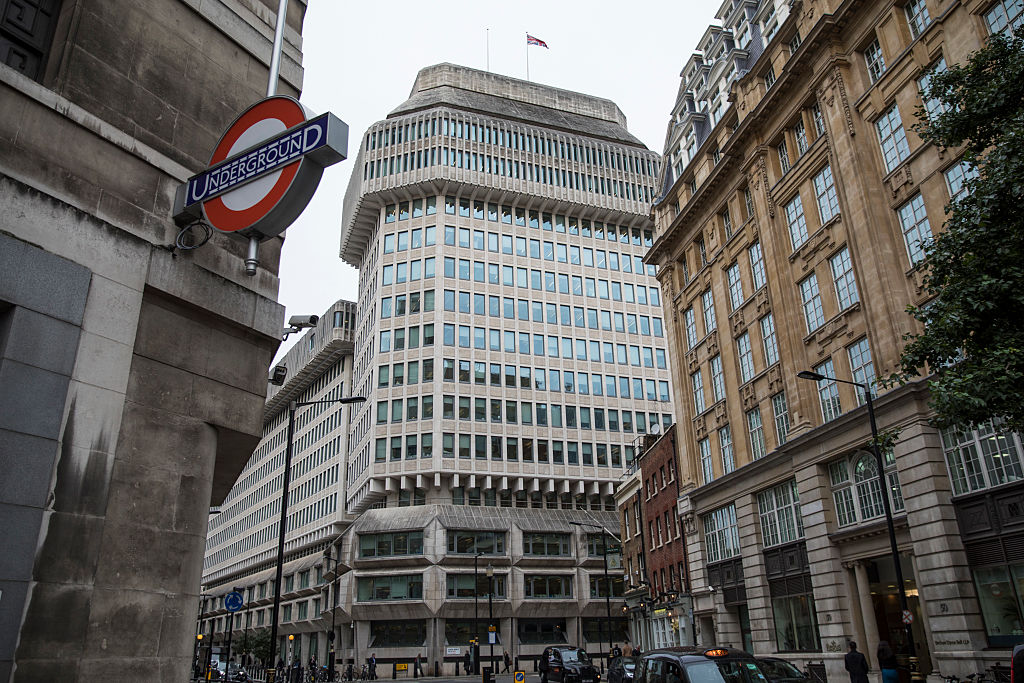
LONDON, ENGLAND - NOVEMBER 17: A general view of the Ministry of Justice on November 17, 2016 in London, England. Brutalism is a style of architecture, which was popular between the 1950s and 1970s, and is typically characterised by large forms and exposed concrete or brickwork. In a speech this month British Transport Minister John Hayes described such modernist architecture as "aesthetically worthless" and called for a "revolt against the Cult of Ugliness". (Photo by Jack Taylor/Getty Images)

Putin’s invasion of Ukraine proves that the West has been asleep at the switch while he set out his plans in plain sight. How did our systems fail us?

As our continent is beset by major state-on-state conflict, there should be reflection on what has gone wrong with Nato and Western policy. Nobody should divert blame from the dictator Putin, whose grotesque narrative about saving Russians in Ukraine from a genocide at the hand of ‘Nazis’ echoes Hitler’s justification for the annexation of the Sudetanland in 1938. Yet it’s true that there has also been a “systems failure” in Whitehall and other key Nato governments. 

Leon Trotsky is attributed with the observation: “You may not be interested in war, but war is interested in you.” While Putin has been taking advantage of optimism and complacency, the free world has been too little “interested in war”, and how to deter it, and now war is interested in us.

Complacency has strengthened the confidence of dictators and illiberal regimes in the effectiveness of their autocratic systems. Autocrats never face the electoral cycle, so they can think long-term more easily than elected governments. They can impose order, suppress dissent, generate their own narrative and history. They can put their own interests ahead of their national interests. Autocracy still has to be based on a bargain of sorts: in return for your lack of freedom, you will be looked after (a bargain which the sanctions on Russia will, over time, cause to unravel). By contrast, democracies look chaotic, particularly …

Subscribe to The Mace

Join the member community shaping British politics and stay ahead of what's really happening in the world of politics and public affairs, with expert analysis, breaking news, and insider insights from Westminster and Brussels. The Mace is the leading news source and resource for the government affairs industry, offering required reading and lobby intelligence for professionals.

To see what you are missing out on by not subscribing to The Mace, click here to download our full membership info-pack. This includes having no paywall on op-ed content or profiles/interviews, allowing professional profiles to be read with maximum impact and visibility by government, special advisers, MPs, peers, civil servants, and policy and political decision-makers.


Phillip Blond: ‘We live in a post-liberal world’

Alice Wright | January 24, 2020

The political philosopher ponders policy, populism and the changed landscape of European politics
Inside the Independent Revolution that Wasn’t

Christopher Jackson | January 24, 2020

Kenneth Clarke delivered a final parting shot to the Johnson administration at the Carlton Club on the eve of the election – and it’s one that will keep
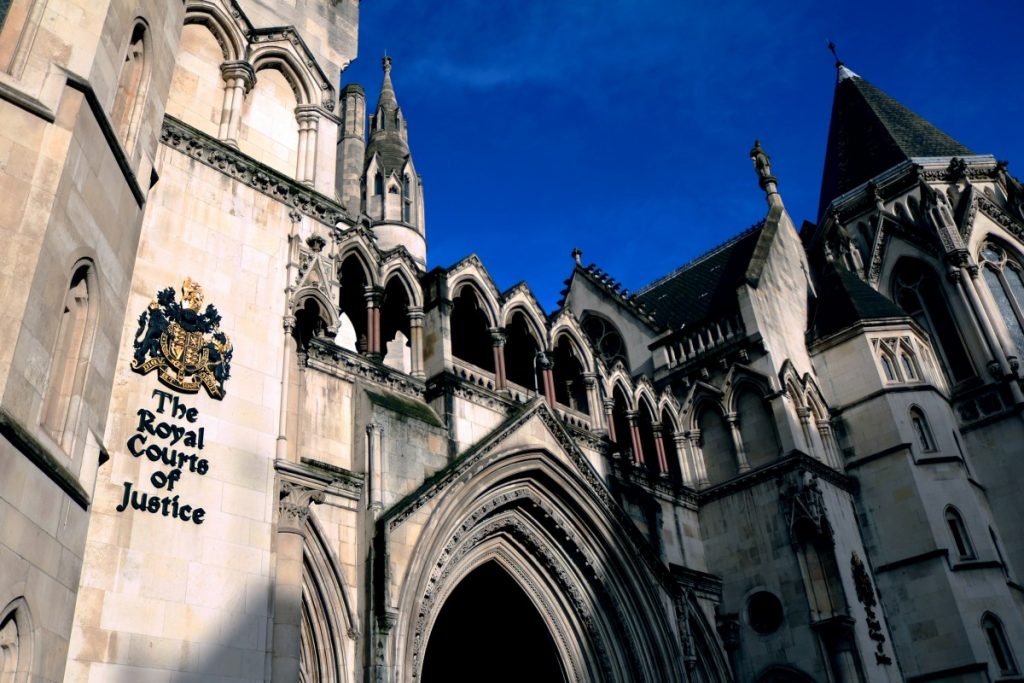
Who are the key players in justice today?

Christopher Jackson | January 21, 2020

Christopher Jackson provides an update of a department about to enter a period of considerable flux.
Why the Lobbyists are Taking Over Whitehall

Benjamin Goodwin | January 16, 2020

Another administration, another set of Spads – but is there a trend in favour of lobbyists taking on senior advisory positions?

Editorial Desk

Christopher Jackson | January 16, 2020

Before this magazine went to press I found myself in Portcullis House in the office of a well-known MP.
A New Magazine for a New Parliament

Mace | January 16, 2020

When the clocks struck 11pm on 31 January, it was the end of our 45-year relationship with the EU.
Out of Office: What does a holiday destination reveal about a premiership?

William Cash | January 16, 2020

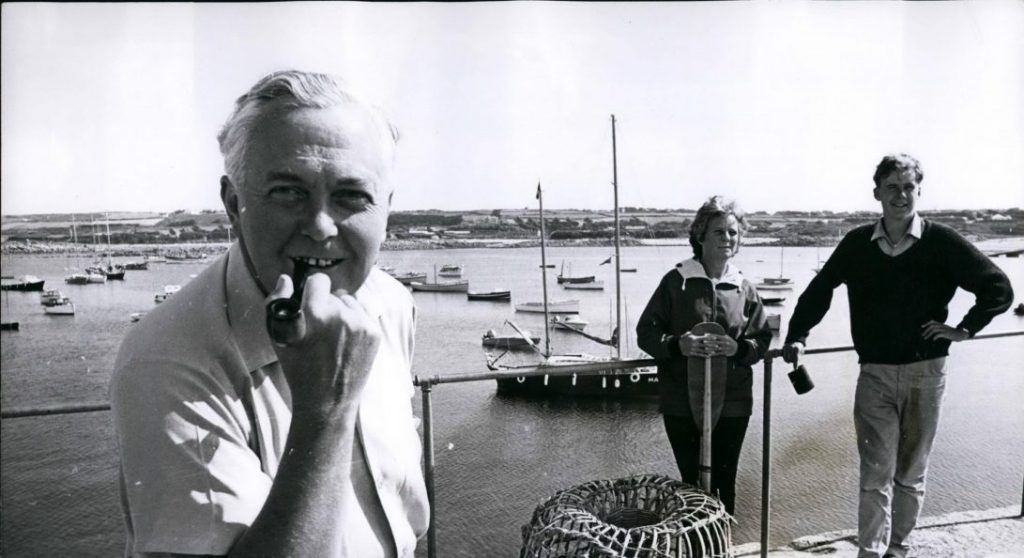
William Cash considers Boris Johnson’s Christmas break in Mustique and finds a prime minister’s choice of holiday location to be highly revealing.
Recline and sprawl

Adam Solomons | January 16, 2020

Jacob Rees-Mogg’s languid pose on the Treasury bench launched a thousand memes on social media. Five observers interpret his body language for us.

Treasury still wields too much influence, says ex-Commons clerk

Eliot Wilson | January 16, 2020

This fortress at the heart of Westminster acts as if it owns the public finances and such a monopolistic attitude is deeply damaging.

DC Confidential: Isabella Mikki

Isabella Mikki | January 16, 2020

Our Beltway insider on why Republicans are worried about Trump’s loneliness