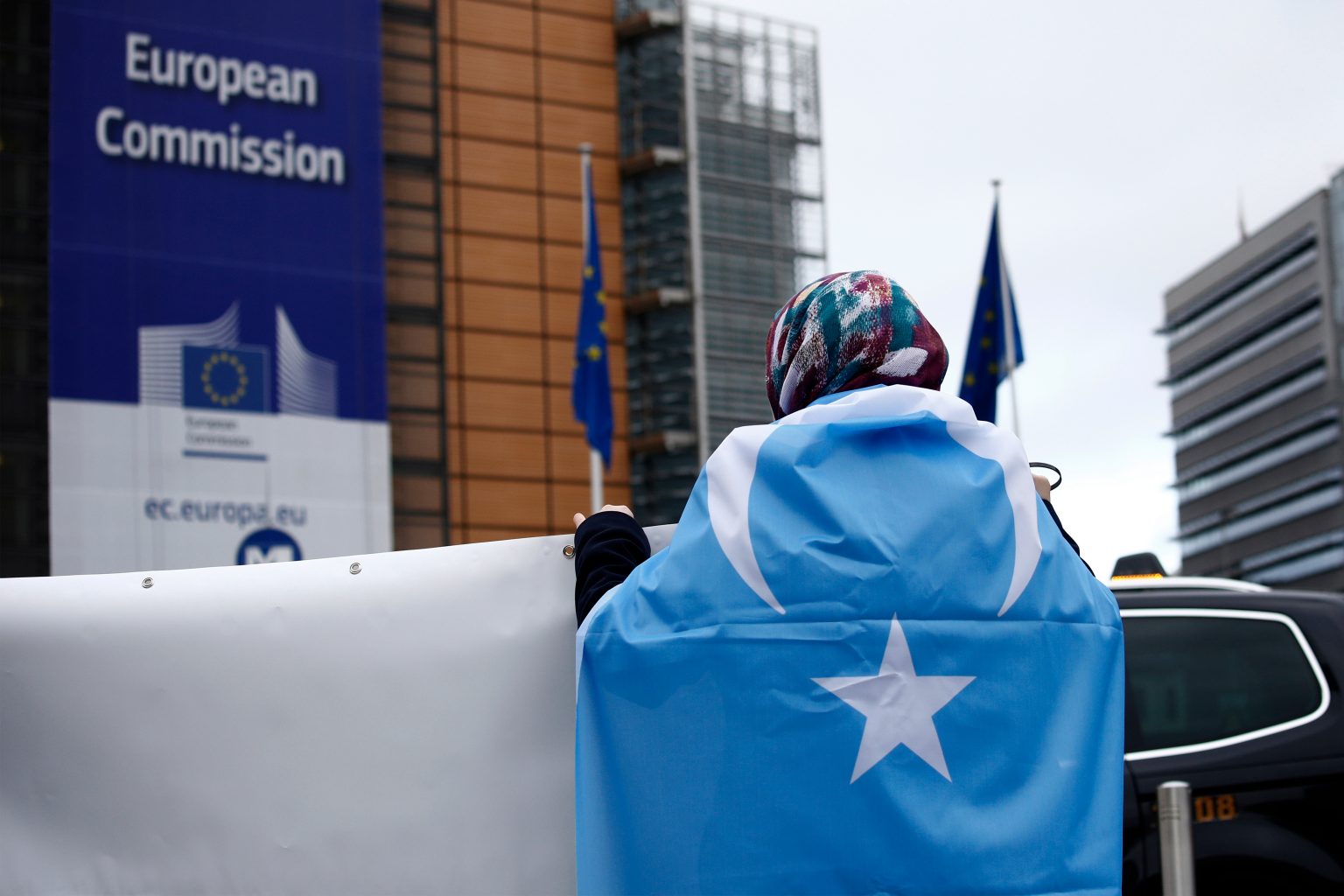
Any move towards closer economic cooperation between the European Union and China must be put on pause until the situation in Xinjiang is entirely remedied
News on China over the past weeks has been dominated by the findings of the independent report from the Newlines Institute, in cooperation with Raoul Wallenberg Centre, which argues that China bears state responsibility for breaching every article of the 1948 Genocide Convention in their treatment of the Uyghur people of Xinjiang province.
Parliaments around the world are now studying and debating it, and many are considering following the path set by the Netherlands and Canada in declaring the situation in Xinjiang a genocide. This is as it must be: some 151 counties are signatories to the Genocide Convention (including China), and each has a duty under the Convention to make their own determination of whether a situation meets the criteria set out in the Convention.
But where the international community ultimately falls on this issue will be a pivotal event in the history of this century. China is currently the second-most powerful country in the world, and its trajectory is still firmly upwards. Sooner or later, China is expected to be able to successfully challenge the US for the top position, if current trends are maintained.
Against that background, the issue of the genocide of the Uyghurs will be of global significance in at least one of two ways. First, if China continues with its policies and successfully destroys the Uyghur identity, and the response from the …
Subscribe to The Mace
Join the member community shaping British politics and stay ahead of
what's really happening in the world of politics and public affairs,
with expert analysis, breaking news, and insider insights from
Westminster and Brussels. The Mace is the leading news source and
resource for the government affairs industry, offering required
reading and lobby intelligence for professionals.
To see what you are missing out on by not subscribing to The Mace, click here to download our full membership info-pack. This includes
having no paywall on op-ed content or profiles/interviews, allowing
professional profiles to be read with maximum impact and visibility by
government, special advisers, MPs, peers, civil servants, and policy
and political decision-makers.
The Russell Group has picked Professor Libby Hackett, an Australia based public policy specialist, as its next chief executive, handing the UK’s most influential research university lobby to
EU governments approve targeted revisions delaying the deforestation regulation, easing compliance demands while keeping core environmental safeguards in place
Thailand’s baht hits multi year peak, squeezing exporters and forcing policy makers to juggle currency stability, trade competitiveness and fragile economic recovery