Forty years after Big Bang, the City cannot write its own rules for growth

Mick McAteer | 21st April 2026 | Comment
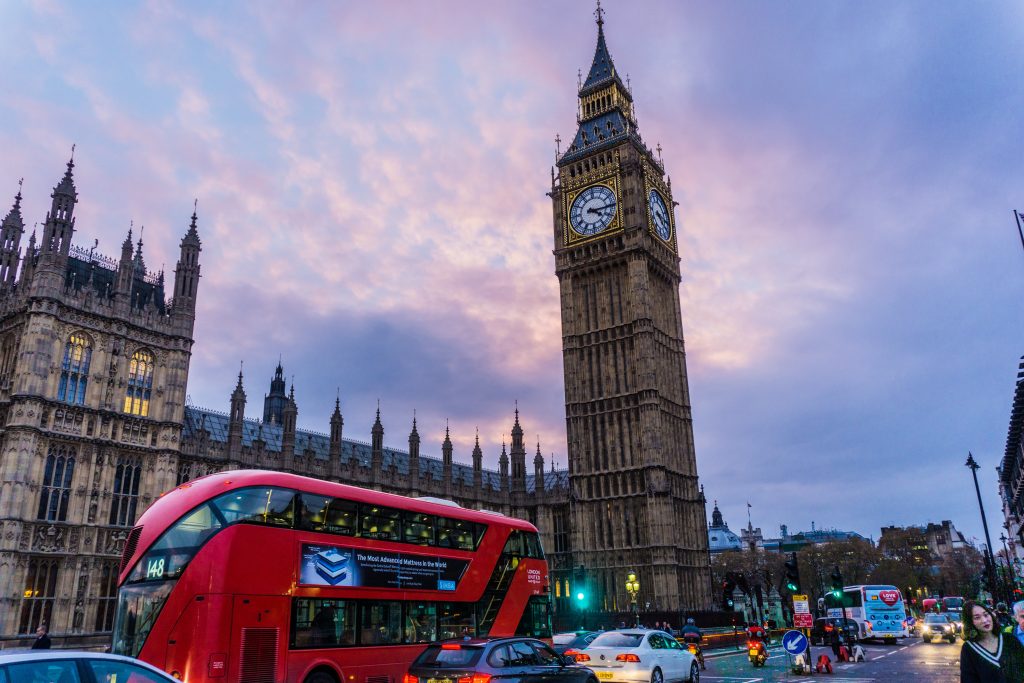
Mick McAteer argues that the City has long had unjust and disproportionate influence over government policy (Photo by Dan Kitwood/Getty Images)

Greater deregulation for the financial sector in the City is not the way forward, writes Mick McAteer.

The City of London is seen as a ‘crown jewel’ of the UK economy, central to the Government’s plans to promote economic growth and competitiveness. At the Financial Inclusion and Markets Centre (FIMC) we fully support  the need for a successful finance sector that works for the real economy, environment, and society. But, we question the central role given to finance and how growth is being pursued.  The current deregulation agenda and creating pro-growth conditions for the City risks reversing the progress made in making the financial system more resilient post 2008 and cleaning up finance after the litany of scandals that left a legacy of mistrust. Policymakers risk forgetting the lessons from history, that: the UK is still exposed to the ‘too much finance’ curse; and allowing finance to become too dominant is counterproductive to creating sustainable, equitable growth shared across the UK regions.  The job from making finance work is far from done yet the operational i...

Subscribe to The Mace

Join the member community shaping British politics and stay ahead of what's really happening in the world of politics and public affairs, with expert analysis, breaking news, and insider insights from Westminster and Brussels. The Mace is the leading news source and resource for the government affairs industry, offering required reading and lobby intelligence for professionals.

To see what you are missing out on by not subscribing to The Mace, click here to download our full membership info-pack. This includes having no paywall on op-ed content or profiles/interviews, allowing professional profiles to be read with maximum impact and visibility by government, special advisers, MPs, peers, civil servants, and policy and political decision-makers.


How to preserve European unity

Hilde Vautmans | February 23, 2022

There may be dissent within the EU – but key changes and a new mindset can yet win the day

Who’s ready to regulate social media?

Tamás Orbán | February 18, 2022

Social media is an obstacle to free speech

Why start ups are the flavour of the month

Daniel Dalton | February 9, 2022

The future’s bright for startups – especially if the UK and EU can work together and rise to global challenges

The Helm Review: Flop26

Dieter Helm | February 7, 2022

Mace hears from economist and climate expert Professor Dieter Helm on his assessment of Cop26

Meet the contrarians

Ali Miraj | February 3, 2022

As an increasing number of people are being silenced for challenging the status quo, the Contrarian Prize recognises individuals who dare to be different

Fine words from Defra butters no parsnips

Gilbert Greenall | February 1, 2022

Can new laws make farming pay? If not, our countryside faces the biggest threat for centuries

As the pandemic slows, Britain will continue to succeed

Azeem Ibrahim | January 26, 2022

Boris Johnson may be in trouble, but the Britain he leads is not, argues Azeem Ibrahim
Leading without vision

Lucy Kenningham | January 20, 2022

Premiers are different to the crowd: an electorate teeming with Thatcher’s drive and Blair’s self-belief would be a nightmare

Is the art marketplace misunderstood?

Joanna Van der Lande | January 20, 2022

Propaganda against the market continues to grow, and with it increasing pressure to restrict its activities

Getting meta all the time

Damian Collins MP | January 19, 2022

An extended reality world where people are more cut off from human interaction is a real cause for concern