How will the war in Ukraine end?
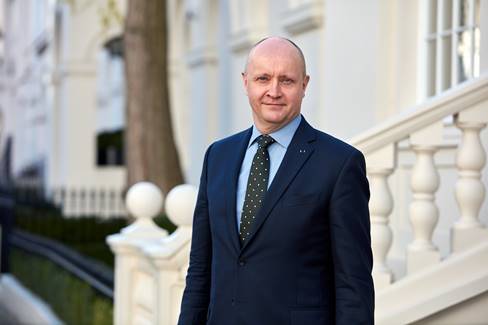
Finnish Ambassador to the UK Jukka Siukosaari reveals the Finnish insight on Russia and speculates on how the conflict will end
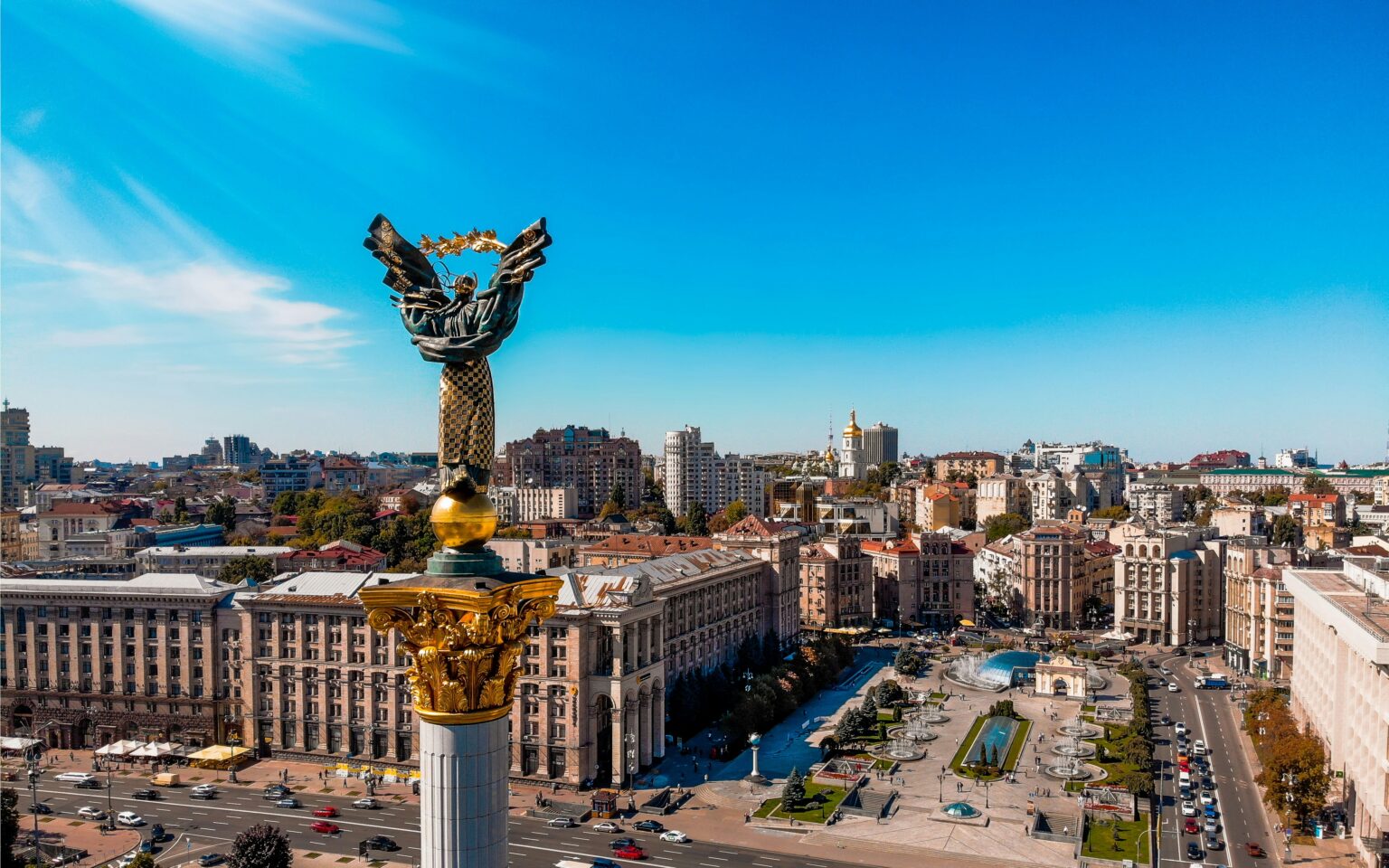
October developments in investigations into defence procurement and a former deputy prime minister have renewed scrutiny of Ukraine’s anti-corruption institutions as Kyiv pursues EU membership.
On 20 October, Ukraine’s National Anti-Corruption Bureau (NABU) and Specialised Anti-Corruption Prosecutor’s Office (SAPO) announced the completion of a pre-trial investigation into alleged corruption in military drone procurement, with estimated losses of 254 million hryvnias.
Four days earlier, the agencies completed another investigation involving former deputy prime minister and justice minister Olha Stefanishyna, suspected of illicit enrichment exceeding 13.9 million hryvnias and inaccurate asset declarations.
The two cases raise a wider question: can Ukraine’s anti-corruption institutions investigate politically sensitive allegations independently and secure fair judicial outcomes?
According to NABU, the 2023 contracts involved the State Service of Special Communications and Information Protection. Officials allegedly bought drones from connected companies at prices 60–90% above market rates. Other businesses allegedly created the appearance of competition. Five people were notified of suspicion, and investigators reported freezing more than $4 million abroad and 17 million hryvnias in Ukraine. The scheme was first exposed in 2025; the 20 October announcement concerned completion of the investigation, not a new discovery.
In the Stefanishyna case, investigators allege that two Kyiv apartments were registered in a friend’s name and that other assets were omitted from declarations. She denies wrongdoing. As quoted by the Kyiv Independent in August, she said: “As for me, I will do what I must: calmly and lawfully defend my position. I have no doubt about the outcome.”
Neither case has resulted in a conviction. Yet both bring attention to wartime public spending and accountability among senior officials.
Ukraine’s corruption problems have roots partly in the privatisation of state assets after 1991, when business groups developed close political ties. After the Revolution of Dignity in 2013–14, Ukraine established NABU and SAPO in 2015 and launched the High Anti-Corruption Court in 2019.
A 2025 OECD review acknowledged progress in transparency, public accountability and institutional independence, while highlighting weaknesses in enforcement and judicial oversight. Investigations alone cannot establish whether reforms are working; the handling of cases matters just as much.
In July 2025, parliament gave the prosecutor general greater authority over NABU and SAPO, prompting protests and criticism from European partners. The legislation was reversed on 31 July, restoring key independence safeguards.
In September 2026, Prosecutor General Ruslan Kravchenko resigned after anti-corruption investigators implicated an official in his department in an alleged bribery and money-laundering operation. Kravchenko denied involvement and was not named as a suspect. “This is a political decision, and I have made it consciously,” Kravchenko said in a statement quoted by Reuters.
NABU director Semen Kryvonos offered another perspective in the bureau’s first-half 2026 report: “Therefore, a high-profile case is indicative of the health of the system rather than its illness.” The October cases may demonstrate institutional resolve, but their judicial outcomes remain important.
On 15 June 2026, the EU and Ukraine opened negotiations on the fundamentals cluster, including the rule of law and financial control. Further talks on the internal market, competitiveness and inclusive growth followed on 13 October.
Irish minister Thomas Byrne called the move evidence of Ukraine’s determination: “Today’s decision demonstrates Ukraine’s resilience and determination to move forward on reforms, against the backdrop of extremely difficult circumstances.”
Yet EU support carries expectations. Commission spokesperson Guillaume Mercier said on 2 October: “So when it comes to Ukraine, our support comes with clear rules, conditions, and obligations, and our EU financial interests are protected.” Independent investigations remain central to those commitments.
Ukraine’s reconstruction depends on transparent procurement, reliable courts and international funding. The EU’s Ukraine Facility offers up to €50 billion in grants and loans for 2024–27, linked to reform commitments and subject to independent audit oversight.
On 15 October, parliament approved legislation aimed at meeting EU and IMF conditions, including changes to e-commerce transparency and financial monitoring of politicians. Finance Minister Sergii Marchenko explained: “The reform is also part of the cooperation programme with the IMF and a condition for macro-financial support from the EU.”
For investors, these reforms are more than formal requirements. Fair contracts and independent courts are essential to confidence in Ukraine’s recovery.
Finnish Ambassador to the UK Jukka Siukosaari reveals the Finnish insight on Russia and speculates on how the conflict will end