The misty meaning of the G7 tax agreement

Carlo Stagnaro | 18th June 2021 | Uncategorised
7ec938fb-566c-4f5b-8a45-5d68e045b9ba

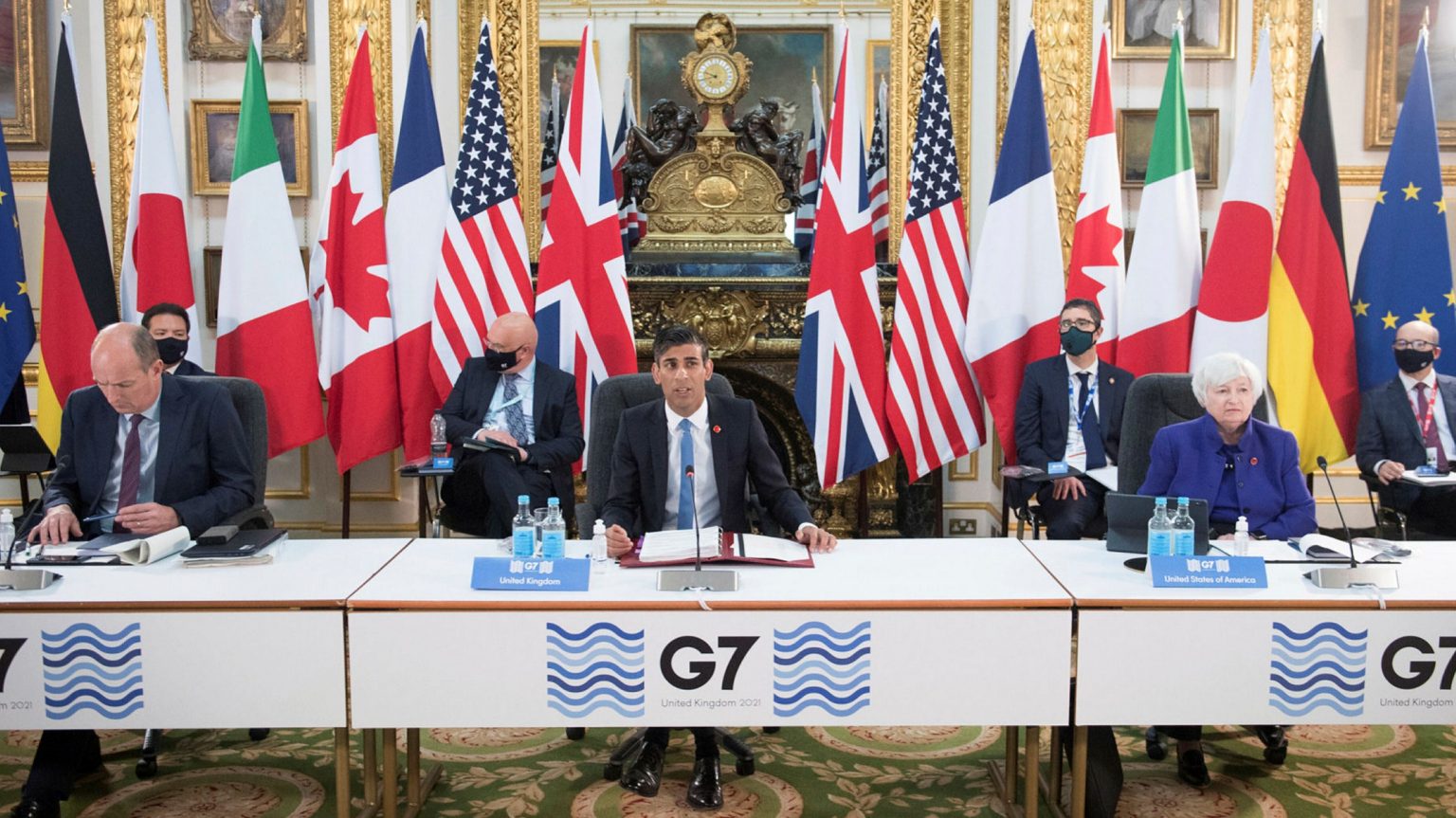
The G7 agreement on the minimum tax of 15 percent is a small step, but it is not yet clear in which direction.

The decision is not binding per se, and there is still a long way to go before it translates into actual changes in the international tax regime. More importantly, governments still keep their cards covered, so it is not clear what the outcome of the process might be. In fact, tax rates are only a feature, however relevant, of the tax system: the actual amount of taxes depend on many other parameters that have not been taken into consideration so far.  The agreement relies on two pillars. Pillar one is concerned with the distribution of tax revenues: if the agreement becomes binding, large multinationals that have a global profit margin higher than 10% will have to pay taxes on at least 20% of the profits in excess of that threshold in the countries where the revenues have been generated. This is a significant deviation from the principles that have hitherto governed the international tax system, under which taxes are paid in the country where value is created. At the same time, this m...

Subscribe to The Mace

Join the member community shaping British politics and stay ahead of what's really happening in the world of politics and public affairs, with expert analysis, breaking news, and insider insights from Westminster and Brussels. The Mace is the leading news source and resource for the government affairs industry, offering required reading and lobby intelligence for professionals.

To see what you are missing out on by not subscribing to The Mace, click here to download our full membership info-pack. This includes having no paywall on op-ed content or profiles/interviews, allowing professional profiles to be read with maximum impact and visibility by government, special advisers, MPs, peers, civil servants, and policy and political decision-makers.


Who are the key players in justice today?

Christopher Jackson | January 21, 2020

Christopher Jackson provides an update of a department about to enter a period of considerable flux.

A New Magazine for a New Parliament

Mace | January 16, 2020

When the clocks struck 11pm on 31 January, it was the end of our 45-year relationship with the EU.