Constituency vitae: David Lammy on Tottenham
The north London constituency is not without its problems, admits David Lammy, but it remains a destination second to none…


The status of the UK as a leading destination for business is under threat, warns CEO Clive Wratten.
It’s quite ironic. While the UK maintains its title as a global business hub, we are simultaneously making it harder for the world to do business here. For years the UK has been selected by companies because of its market and accessibility – but, the way we are heading, this might change, and not for the better.
To set the tone, according to the World Economic Forum, the UK ranks 113th out of 119 counties for price competitiveness. This is a signal about the wider business environment in the UK. For my part, I believe we are long overdue a policy shift in business travel to help drive towards some sort of meaningful improvement.
Business travel is not a ‘nice to have’, but a need, to keep the economy moving in the right direction. There’s often a misconception of those who travel for business. They aren’t exclusively executives in airport lounges – the reality is they’re ships’ crew, oil workers, charity personnel and sportspeople – and travel for work is vital to get them where they need to be.
When travel becomes harder, or more expensive, the effects reach far beyond the travel sector.
The cost of access
The UK’s approach to entry and aviation tax risks placing it at a structural disadvantage.
Let’s take the introduction of the Electronic Travel Authorisation (ETA) as an example – adding a layer of complexity and cost for short-term business visitors. The EU’s ETIAS scheme costs €20, lasts three years, is exempt for under 18s and over 70s and offers access to 30 European countries. But the ETA is £20 for travel to the UK, Jersey, Guernsey or the Isle of Man for a maximum stay of 6 months and valid for two years – a much more limited pool of destinations for essentially the same price.
“The high costs are not just in regard to getting to the UK. Once landed, they remain.”
This is not the only hurdle, Air Passenger Duty (APD) continues to rise. While the UK maintains and increases this tax (having increased by 13% and not aligned with inflation), countries such as Sweden are abolishing it and others are taking steps to reduce the charges. Someone flying premium economy long haul over 5,500 miles will now be paying £253 just in one way departure taxes. This directly affects the UK’s connectivity and hence has a great impact on those travelling for work.
Even seemingly minor costs, like airport drop off fees, demonstrate the issue. For business travellers, these are not optional extras but unavoidable friction points, consistently higher than other European hubs, where drop-offs are often free.
The cost of staying
The high costs are not just in regard to getting to the UK. Once landed, they remain.
For instance, the UK applies 20% VAT on hospitality – one of the highest rates in Europe. By contrast, countries such as France apply a reduced rate of 10% across restaurants and passenger transport. For companies managing business travel at scale, this gap deters the UK from being selected as a destination for business.
Looking ahead, the planned introduction of local visitor levies across UK cities in 2026 and 2027 risks layering additional cost onto an already expensive proposition.
Why this matters
For policymakers, the critical point is these costs do not exist in isolation. In a competitive global environment, the UK is no longer competing on solely reputation – but cost of access and ease of doing business.
If we want the UK to continue to hold its status as a hub for business, we need to make some changes. When costs, friction and even administrative burden increase, alternative destinations will become more attractive.
Travel for work ultimately drives investment, collaboration and growth – so why are we making it more difficult? If the UK becomes a higher cost and hence higher friction destination, these benefits won’t disappear, they will simply relocate.
An opportunity
There is currently no joined up strategy that governs the cost of business travel. Instead, businesses encounter visas, aviation taxes, consumption taxes and local charges each in isolation.
“The risk is not that the UK becomes inaccessible, but that it becomes less attractive.”
We urge the government to take a coordinated approach and reflect on these costs, encouraging the UK to be competitive. Multi-modal travel for work isn’t just about good connectivity between a train and a bus – it’s about planes, hotels and taxis too. Business travel needs to be recognised as a core sector in the travel eco system. The government need to engage and plan with the sector and tailor to its unique requirements. In all of this, the government must recognise travel for work as an economic enabler – not a tourism issue.
The risk is not that the UK becomes inaccessible, but that it becomes less attractive.
A slightly cheaper and simpler destination can claim that next conference, deal-closing meeting or even the next head office decision. If policymakers want the UK to be a friction-free destination for international business, the cost of getting here (and staying) must be part of the equation.
Clive Wratten is CEO of the Business Travel Association (BTA).
The north London constituency is not without its problems, admits David Lammy, but it remains a destination second to none…
The acclaimed author of 15 novels, including Any Human Heart, debates how seismic events make their way into storytelling
There is no excerpt because this is a protected post.
The Establishment has been wrong before, notes Tim Congdon. Is it so crazy, he asks, to think that it might be wrong again?
Rotherham's MP, Sarah Champion, chair of an important parliamentary group on adult survivors of child sexual abuse, wants to see some change at the MoJ
The political philosopher ponders policy, populism and the changed landscape of European politics

William Cash considers Boris Johnson’s Christmas break in Mustique and finds a prime minister’s choice of holiday location to be highly revealing.
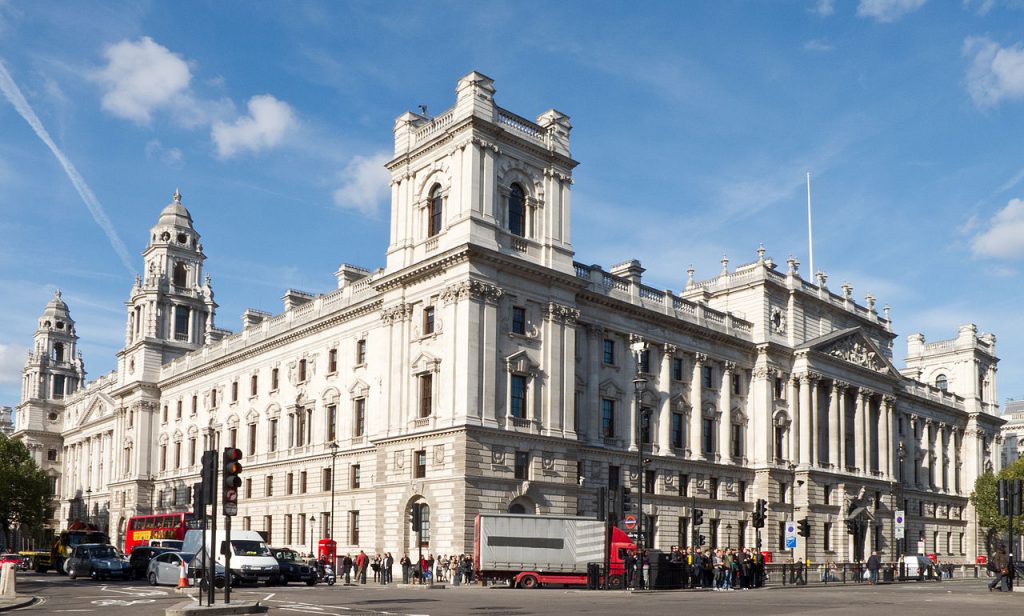
This fortress at the heart of Westminster acts as if it owns the public finances and such a monopolistic attitude is deeply damaging.
Over the last year we’ve seen dozens of MPs switch parties or go independent. But how does such an unexpected move affect their hard-working staff?

Still finding your way around the Palace? Not sure where to sit in the Chamber? Former minister Brooks Newmark is here to assist
