Thirty Women: Thirty Powerful Voices
She Speaks: The Power of Women's Voices, by Yvette Cooper, reviewed by Benjamin Goodwin



What happens when the technology that could one day threaten humanity begins to destroy the institution responsible for warning us about it?
Artificial superintelligence wiping out humanity has been the hot topic of recent days, ever since a series of extraordinarily alarming comments were made by senior figures in the industry.
Last week, a senior employee at Anthropic admitted there was a greater than 10% chance that the technology could “kill all humans” in the next decade. However, what really sent the media and the public alike into a spiral was that industry leaders did not seem to disagree. In a rare moment of unity in the United States, leaders of all major AI firms agreed in an open letter that the progress of AI should be slowed down.
This was initiated by Anthropic CEO Dario Amodei over the weekend, when he issued a proposal to slow down the technology’s advancement to ensure public safety. OpenAI CEO Sam Altman, Google DeepMind chief Demis Hassabis and xAI owner Elon Musk posted their support for Amodei’s proposal to slow AI development, titled “We Must Pace the Frontier”.
“I agree with Dario that we need to pace the frontier,” Altman posted on Saturday on X. “Committing to having independent evaluators with employee-like access is a great idea, and we will do the same.”
“Dario’s essay points towards the right path forward,” Hassabis added.
Musk simply commented: “Dario is right.”
Donald Trump, on the other hand, has called concerns about the dangers of artificial superintelligence technology a “hoax”.
However, unfortunately, the damage is already done. At least some of the damage – admittedly, it could get a lot worse. Today, it was announced that Reach, publisher of the Mirror, Daily Star and Manchester Evening News, amongst others, will be cutting 220 editorial jobs as readers turn to AI summaries. Concerns have been voiced across the sector regarding how AI resources such as Gemini have been cutting internet traffic to the original news sources. However, this is one of the first examples of mass redundancies directly attributed to this issue.
“This move represents only the latest restructure by the publisher, which in September put 600 roles at risk”
Reach has said it has come to this decision due to a “mammoth shift” in how audiences seek out content. This move represents only the latest restructure by the publisher, which in September put 600 roles at risk and ended up cutting more than 300 editorial jobs. It has announced that it will close three of its online-only brands entirely – KentLive, AberdeenLive and GalwayBeo – because they were failing to be the “dominant publisher”. However, 60 editorial roles will also be created “to drive digital revenue growth”.
According to the publisher, it has suffered a 46% year-on-year decline in traffic from Google. David Higgerson, the chief content officer at Reach, said in a note to staff on Wednesday:
“We are in the middle of a mammoth shift in how audiences want content and journalism.
“To ensure a sustainable future for our journalism, we must focus our investment in the areas where our audiences spend the most time and where our revenue reflects the value of our work. In our newsrooms, that means less emphasis on story volume and more on original journalism and distinctive brands.”
“It is a shame that the institution of British journalism, which has been a brave, pioneering and at times life-saving sector for the UK and around the world, is beginning to be chiselled down due to the convenience of AI summaries”
It is a shame that the institution of British journalism, which has been a brave, pioneering and at times life-saving service for the UK and around the world, is beginning to be chiselled down due to the convenience of AI summaries. It is hard enough to get talent through the front door, considering the poor pay and lack of opportunities. However, the prospect of finally getting your foot in the door, only for said door to be slammed repeatedly on your ankle because of AI-driven staff cuts, might be the final straw for young talent thinking of entering the industry. Or, indeed, for the talent remaining.
“If humanity has a greater than 10% chance of being annihilated in the next ten years from AI, we’ll lose the journalists who can warn you about it long before then”
I’m unsure if others view journalism as a form of public service – but if I can make the case for it, I will. Over the past year, British journalists have uncovered groundbreaking, deep-seated institutional cover-ups of abuse within the Church of England, the systemic abuse and predatory practices of Harrods billionaire Mohamed Al-Fayed, England’s illegal children’s home trade, and the scoliosis suffered by stonemasons due to the fatal toll of installing modern quartz without adequate safety gear. All important, all socially relevant, all transformative to how we understand our society – and all can be lost if the media industry is forced to cut the jobs of reporters who are the people who are responsible for bringing these issues to light in the first place.
If humanity has a greater than 10% chance of being annihilated in the next ten years from AI, we’ll lose the journalists who can warn you about it long before then.
She Speaks: The Power of Women's Voices, by Yvette Cooper, reviewed by Benjamin Goodwin
The north London constituency is not without its problems, admits David Lammy, but it remains a destination second to none…
There is no excerpt because this is a protected post.
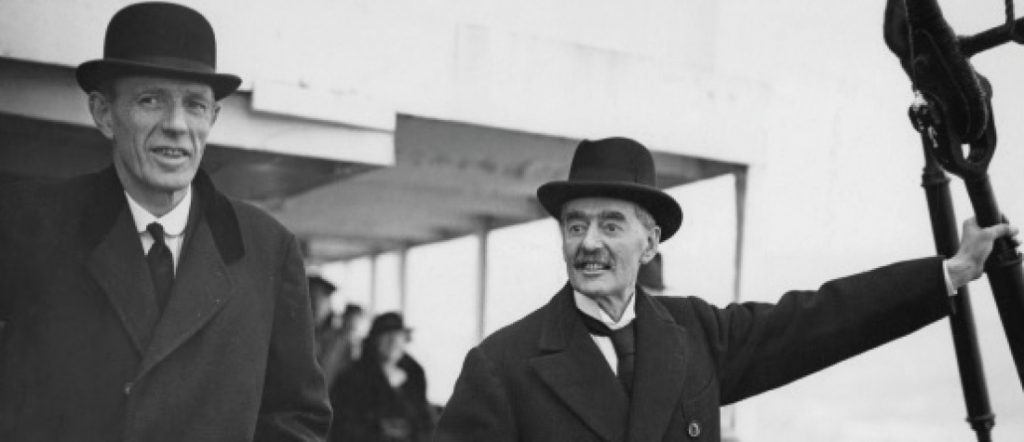
The Establishment has been wrong before, notes Tim Congdon. Is it so crazy, he asks, to think that it might be wrong again?
Rotherham's MP, Sarah Champion, chair of an important parliamentary group on adult survivors of child sexual abuse, wants to see some change at the MoJ
The political philosopher ponders policy, populism and the changed landscape of European politics

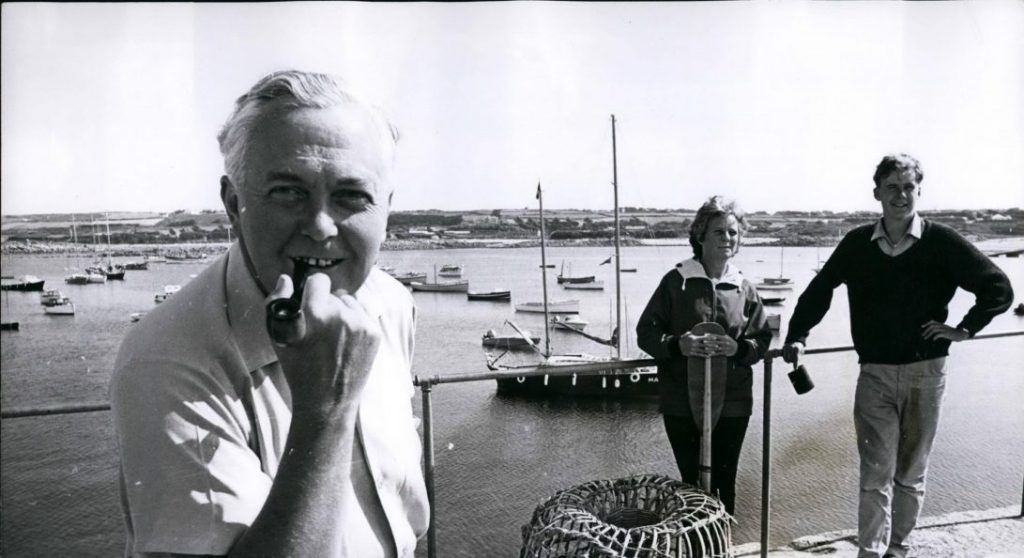
William Cash considers Boris Johnson’s Christmas break in Mustique and finds a prime minister’s choice of holiday location to be highly revealing.
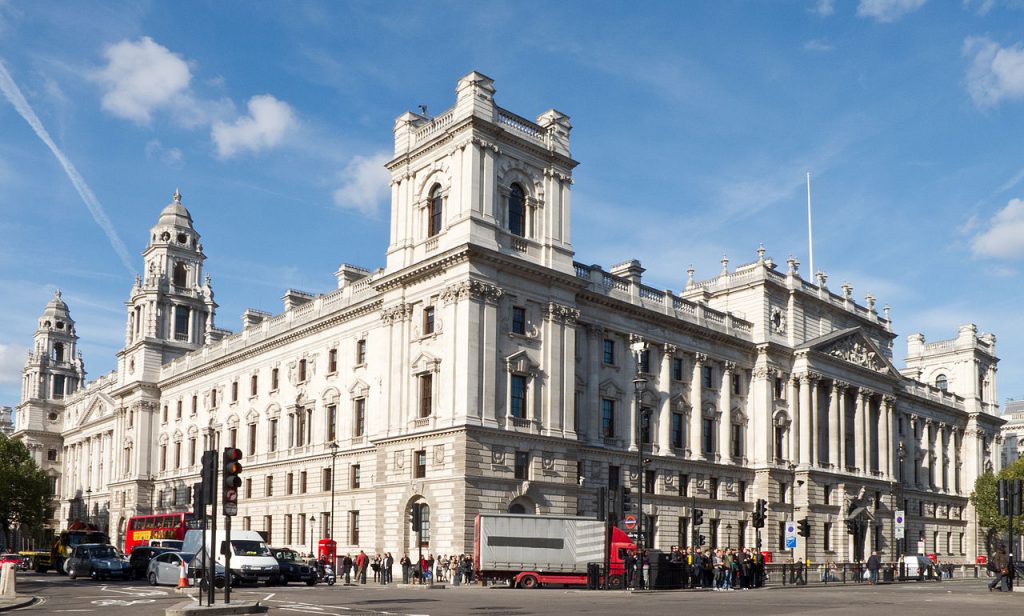
This fortress at the heart of Westminster acts as if it owns the public finances and such a monopolistic attitude is deeply damaging.
Over the last year we’ve seen dozens of MPs switch parties or go independent. But how does such an unexpected move affect their hard-working staff?

Still finding your way around the Palace? Not sure where to sit in the Chamber? Former minister Brooks Newmark is here to assist
