The Mace Defence Special Report: NATO must focus on new tech
In an exclusive special for Mace, expert Dr Daniel Frampton discusses the pivotal shift of the Strategic Defence Review towards a new age of defence technology for NATO.


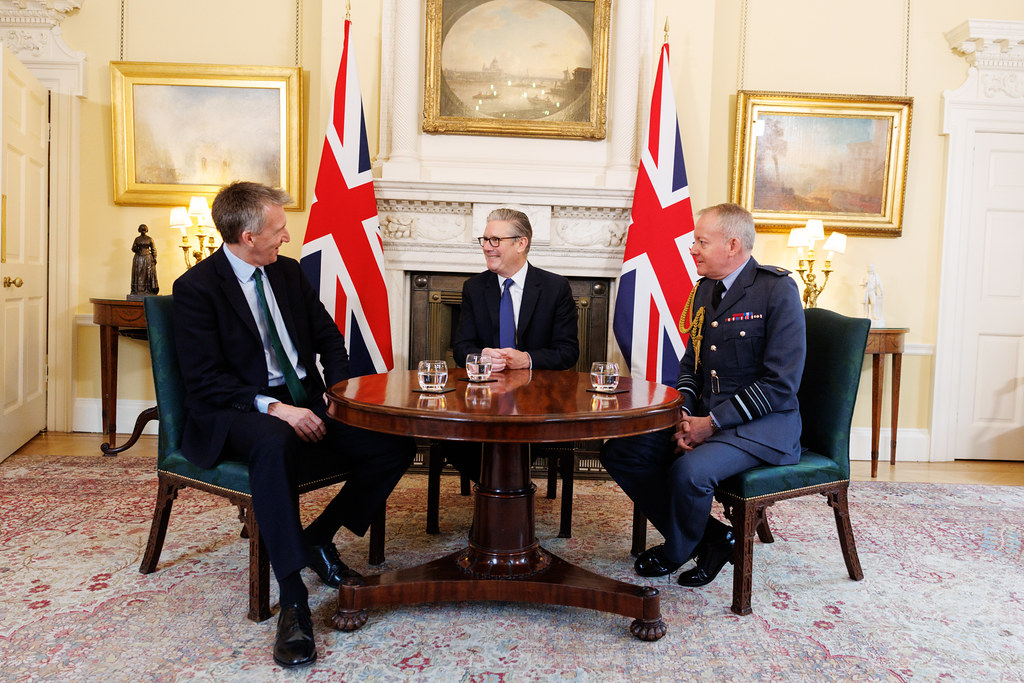
Britain cannot afford to fall behind its NATO allies on defence spending, writes Jasset Harlech.
Dan Jarvis, the Defence Secretary, is an honourable man and a soldier’s soldier. Commissioned into the Parachute Regiment, he served in Kosovo, Iraq and Afghanistan, and was appointed MBE for his service. Unflappable as Security Minister, he is well regarded across Westminster and Whitehall.
Which makes the question sharper still. Why has a man who knows precisely what readiness costs agreed to own a settlement his predecessor resigned rather than defend? John Healey quit rather than stand behind a Defence Investment Plan he judged underfunded; within hours Al Carns, the Armed Forces Minister and a former Royal Marine, followed him out, warning that we ask our forces to operate in a more dangerous world on a budget written for a calmer one.
The news that Andy Burnham will have to fill a £4.7 billion defence black hole over the next four years has been described by one close source to the likely new PM as an “unexploded bomb”. The Conservatives have seized on this spending shortfall by describing the new £298 billion Defence Investment Plan (Dip) as a “delayed-action poisoned pill” for Burnham when he becomes PM.
This gap will only intensify the discomfort Dan Jarvis will feel when he takes his seat at the NATO summit in Ankara at the NATO members summit in Turkey on July 7-8th. Poland will spend close to 4.8 per cent of GDP this year. Germany is doubling its budget, up a quarter in a year to become Europe’s largest spender, on a path to 3.5 per cent by 2029. The Netherlands has more than doubled its budget since 2021 and has committed to 3.5 per cent by 2035.
Across European NATO, spending rose faster last year than in any year since 1953. The new £298 billion spending plan will still make Britain NATO’s third-largest financial spender, only behind Germany and the USA. But the government has announced only £10.3 billion has been “identified” for spending purposes.
The original plan announced by Starmer, which caused John Healey to resign, only reached only around 2.7 per cent by 2030, well short of the 3.5 per cent we ourselves signed up to. The new defence spending plan includes a £15 billion increase over four years with Starmer issuing a warning to Burnham saying that there were “no easy answers’ to raising the money.”
What remains depressingly clear is that the UK remains a first-rank power trimming the sail while our neighbours pile on canvas. The strategic weather makes this hard to defend. The Defence Select Committee’s verdict was blunt: the world is rearming at pace, and the United Kingdom is not keeping up. Russia is running a war economy, and the Government’s own assessment is that it could be ready to test NATO by 2030.
America, meanwhile, is drawing down its conventional weight in Europe, pulling back aircraft, ships and troops. As RUSI argues, you cannot neatly separate that retreat from the nuclear umbrella above it; thin the presence on the ground and you corrode deterrence itself, throwing more weight onto the British and French deterrents.
Nor can the Government plead that it lacks a plan. It has one. The Strategic Defence Review, led independently by Lord Robertson of Port Ellen, was accepted in full last year. What is missing is the money to fund it.
Robertson himself, a former Labour defence secretary and NATO secretary general, alongside Dr Fiona Hill and General Sir Richard Barrons, has since warned of “corrosive complacency” and accused the Treasury of “vandalism”, declaring the nation’s security in peril. When the author of your own defence review says so, it is a warning to heed.
There are also smarter ways to find the money than the Treasury admits. Mark Carney’s proposed Defence, Security and Resilience Bank, a triple-A lender billed as a World Bank for defence, aims to raise some £100 billion and cut the cost of rearming for the nations that join. It launches at this very Ankara summit, yet Britain has hung back.
A credible deterrent costs real money. But set the premium against the alternative. We spent more than 7 per cent of GDP on defence through much of the Cold War, over 11 per cent at the height of Korea, and some 16 per cent after the last world war.
War, or even mobilisation against the threat of one, does not cost two or three points of GDP; it costs ten, twenty, thirty, and the lives to match. Deterrence is the cheapest insurance a nation ever buys, and the premium looks dear only until the day you need the cover and find it lapsed.
More money alone is not the whole answer. Carns was right that conflict is changing faster than our procurement, and the Ministry’s accounts were qualified again this year. Pour money into a leaking pipe and much never reaches the front. The uplift must be married to reform: faster procurement, a stronger industrial base, and investment in drones, autonomy and stockpiles.
This brings the focus back to the current Defence Secretary, a man who understands the disparity between military requirements and Treasury allocations. Rather than accepting the very settlement that compelled his predecessor to resign, the more principled path is to demand its improvement.
If such a stand is not taken now, while our allies accelerate their investments and the United States scales back its commitment, then when will it? Britain must aim to meet NATO’s 3.5 per cent core objective significantly earlier than 2035, ensuring the target is adequately financed and the capital deployed effectively. Given that a government’s primary responsibility is the protection of the Realm, our fiscal priorities must finally reflect that conviction.
Lord Harlech is a life peer and speaks on defence matters.
In an exclusive special for Mace, expert Dr Daniel Frampton discusses the pivotal shift of the Strategic Defence Review towards a new age of defence technology for NATO.
Mace defence expert, Dr Daniel Frampton, highlights the importance of SME's for UK and NATO defence - and warns they are at a disadvantage.
Farage says ‘the people of Clacton should be the judges of my actions’, but is this his most reckless move yet?
With the NATO summit in Ankara today, our defence expert Dr Daniel Frampton argues that supply chains have become a strategic asset for the NATO Alliance.
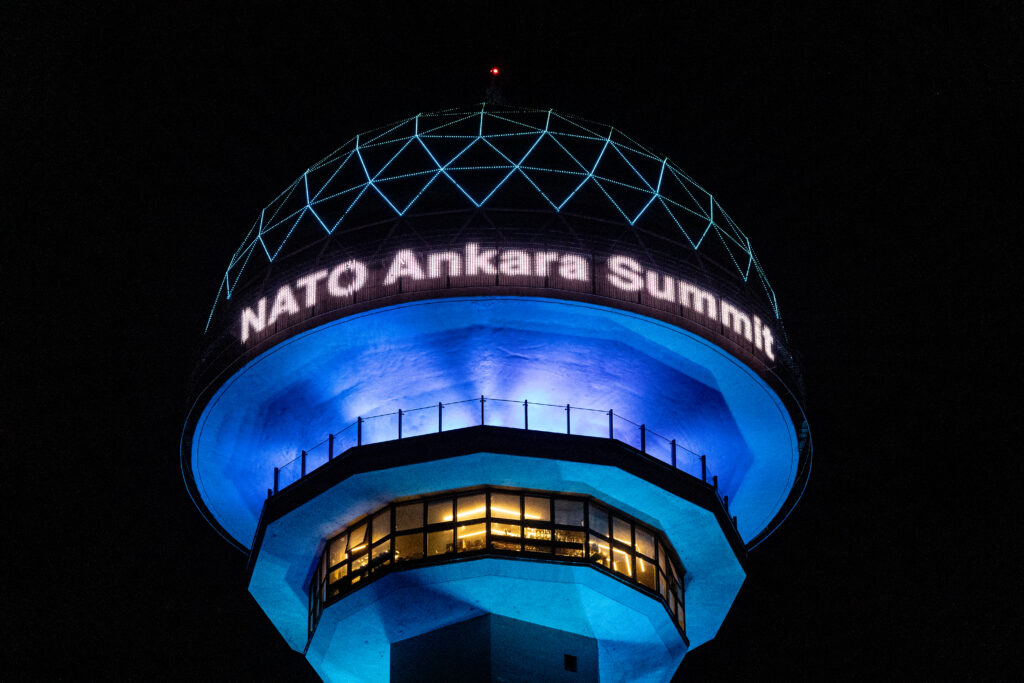
With the NATO Summit in Turkey, our defence expert Dr Daniel Frampton looks at whether the UK is bringing enough security and spending to the table.
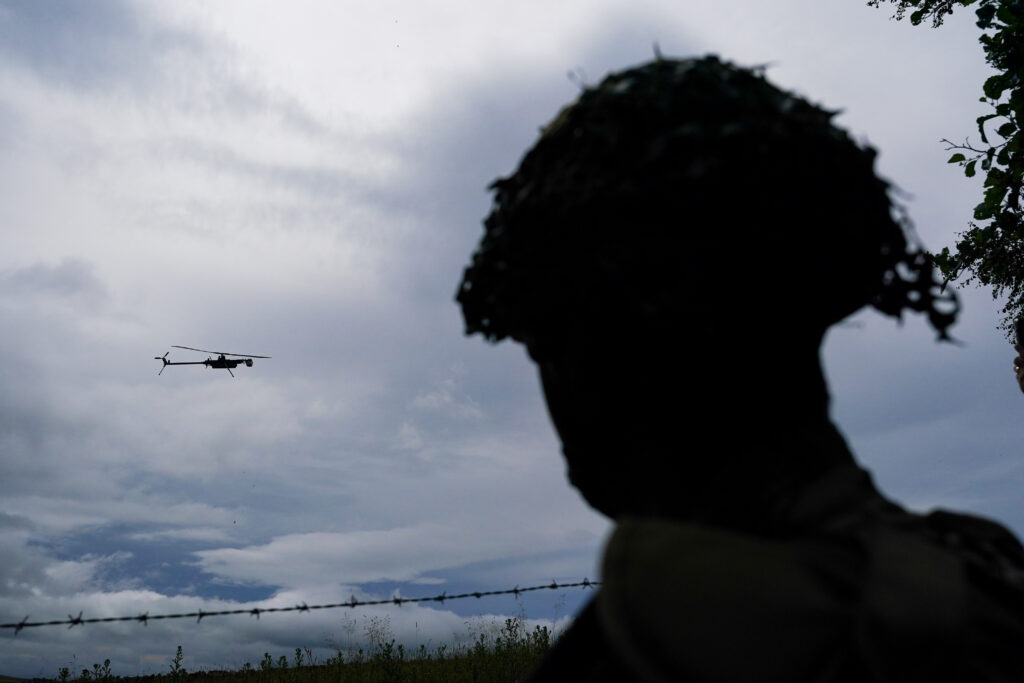
Andy Burnham has promised the ‘biggest rebalancing of power our country has ever seen’. The Mace investigates what industry insiders think of his vision.

After Andy Burnham's first major speech since the resignation, devolution has been the word on everyone's lips - Gill Morris explains why it's the way forward.

Amid the frenzy over who Burnham will choose as his chancellor, his shrewd appointment of Caroline Simpson to lead No. 10 North has been overlooked.

Introducing the inaugural Conservative Political Action Conference (CPAC) on British soil, a landmark expansion of the world's premier conservative networking brand.
How Angela Merkel Weakened the West and Handed Putin and Xi Leverage
