Norway’s stonewalling on deforestation incentive payments to Indonesia undermines future rich-poor cooperation on climate change
The likelihood of Boris Johnson being able to strike a far-reaching new global climate deal at the Cop26 meeting in Glasgow has been dealt a fresh blow by the collapse of a little-known climate finance agreement.
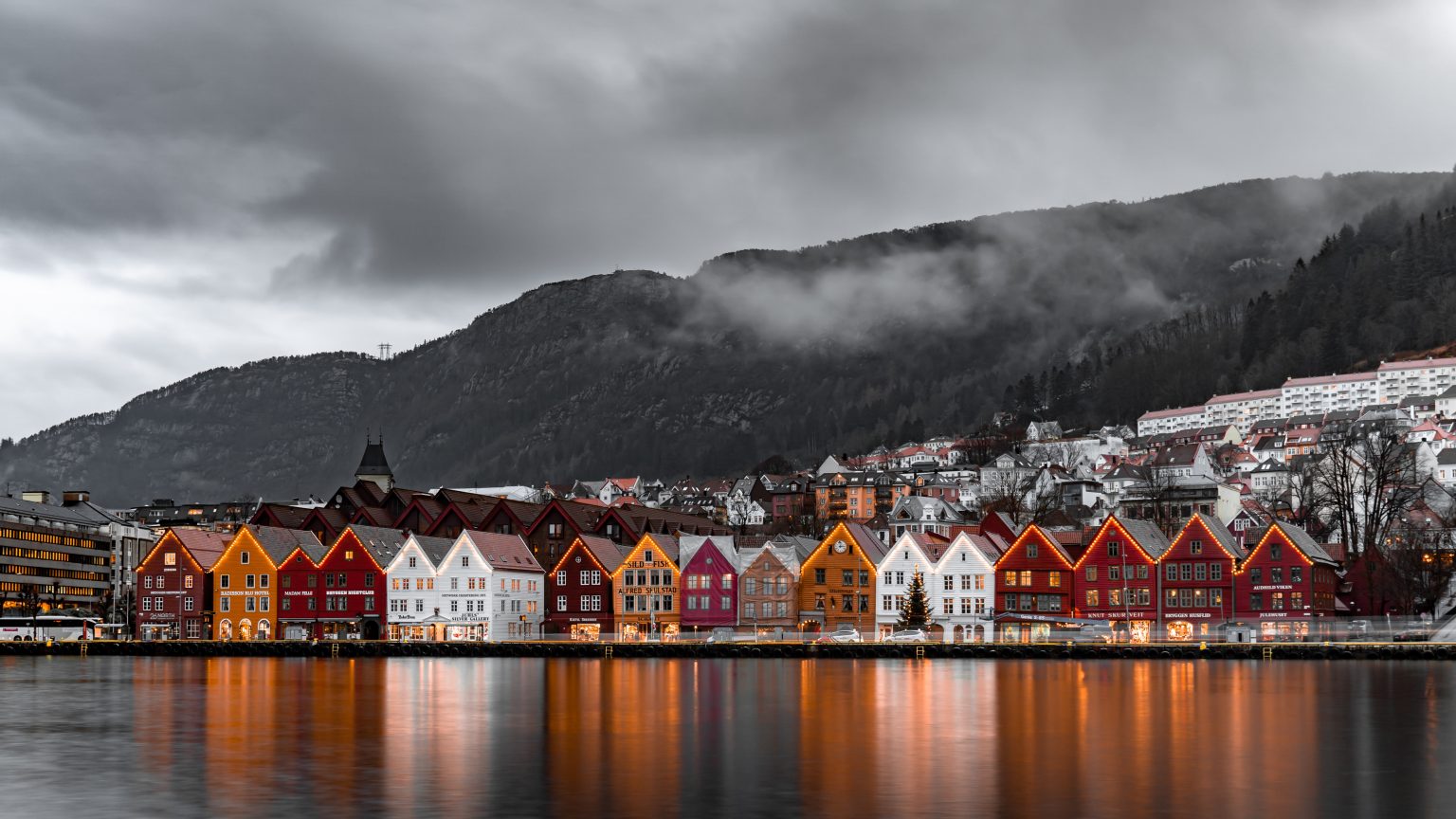
Just recently, Indonesia’s Foreign Ministry announced that it was cancelling a decade-long agreement with Norway known as REDD, under which Indonesia would receive payments for reducing deforestation rates.
According to Jakarta, Norway was delaying payments that were agreed by both parties after Indonesia posted its lowest deforestation rates on record.
Norway’s obstinance – and Indonesia’s response – have profound implications for climate diplomacy and for the conference in Glasgow. Success depends on rich, Western countries (such as Norway) and poorer developing countries (such as Indonesia) finding common cause and striking a common deal together. That Norway now stands accused of breaking its climate promises will deepen suspicion amongst countries in the Global South that the West is big on climate talk, but not so big when action – or hard cash – is required.
When Indonesia and Norway signed their agreement in 2010, reducing emissions was a higher priority for wealthy countries; poor countries were simply more concerned with alleviating poverty and raising living standards.
It was well understood that a ‘low carbon transition’ for poor and even middle income …
Subscribe to The Mace
Join the member community shaping British politics and stay ahead of
what's really happening in the world of politics and public affairs,
with expert analysis, breaking news, and insider insights from
Westminster and Brussels. The Mace is the leading news source and
resource for the government affairs industry, offering required
reading and lobby intelligence for professionals.
To see what you are missing out on by not subscribing to The Mace, click here to download our full membership info-pack. This includes
having no paywall on op-ed content or profiles/interviews, allowing
professional profiles to be read with maximum impact and visibility by
government, special advisers, MPs, peers, civil servants, and policy
and political decision-makers.
There’s plenty of egg-on-face - or just embarrassed silence - for the many pundit hacks, often former Tory colleagues of Boris, who wrote him off as a priapic