Mind the gap

Annabel Denham | 8th October 2021 | Comment, Uncategorised
tim-mossholder-UcUROHSJfRA-unsplash

Rather than fixate on meaningless data, governments should explore why some women opt for less demanding roles

Debunking myths around the “gender pay gap” is challenging because the widely held assertion remains that women are being short-changed. Though there are instances of sex-based discrimination, they are rare and will often lead to the employment tribunal – as well they should given that, in Britain, unequal pay has been illegal 1970.  Why talk about the GPG now? The European Commission is planning to introduce a pay transparency mechanism not dissimilar to the GPG reporting measures introduced by the UK government in 2017. Since then, companies with more than 250 employees have been required to publish gender pay gap data every spring, though this was suspended in 2020 and delayed in 2021 due to the Coronavirus pandemic.  The legislation was never needed, and ought to be chucked onto the post-Covid regulatory bonfire. It burdens businesses, stirs ill-feeling among colleagues, risks unfair castigation of those firms with large gaps, and tells us nothing meaningful about the differences i...

Subscribe to The Mace

Join the member community shaping British politics and stay ahead of what's really happening in the world of politics and public affairs, with expert analysis, breaking news, and insider insights from Westminster and Brussels. The Mace is the leading news source and resource for the government affairs industry, offering required reading and lobby intelligence for professionals.

To see what you are missing out on by not subscribing to The Mace, click here to download our full membership info-pack. This includes having no paywall on op-ed content or profiles/interviews, allowing professional profiles to be read with maximum impact and visibility by government, special advisers, MPs, peers, civil servants, and policy and political decision-makers.


The hidden cost of doing business in the UK, and why this needs to change

Clive Wratten | May 19, 2026

The status of the UK as a leading destination for business is under threat, warns CEO Clive Wratten.


The Renters’ Right Act will bury the UK housing market, says leading UK developer Kamal Pankhania

Mace | May 19, 2026

With the UK housing market already under economic pressure, this is not the right time to introduce new rental reforms that will damage investor confidence, says Kamal Pankhania,
Governments are rich in intelligence but not capability

Nada Kakabadse | May 13, 2026

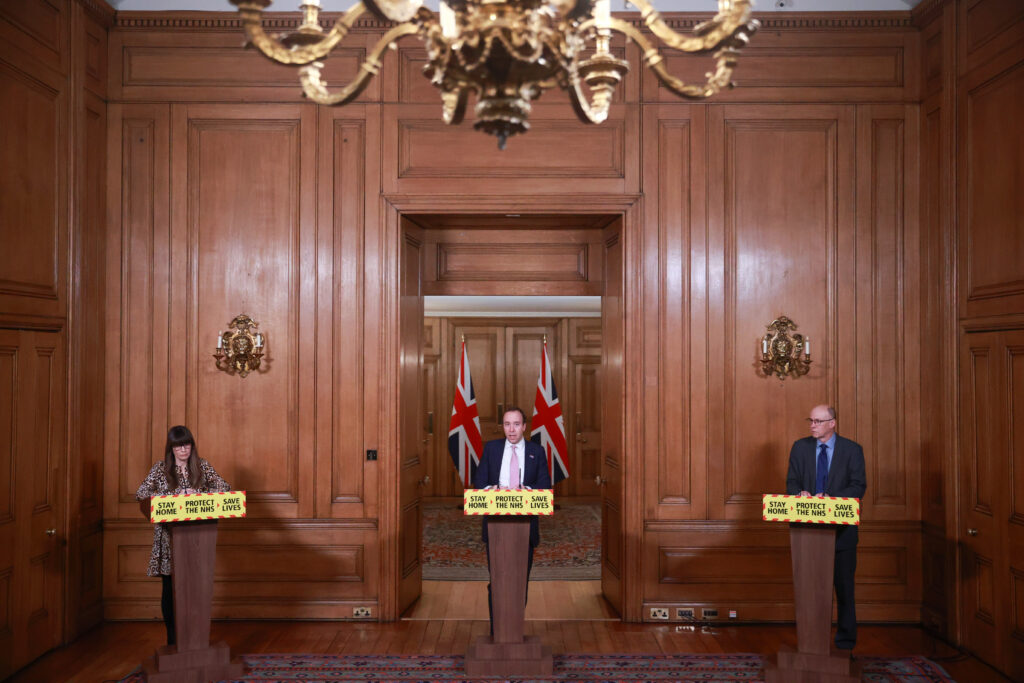
Our governments are simply not designed for the challenges we face in the modern day, warns Professor Nada Kakabadse.
Wes Streeting could be Britain’s next PM — here are the lobby groups who come with him 

Lucy Carrier-Pilkington | May 12, 2026

Calls for Keir Starmer to quit are getting louder, Lucy Carrier-Pilkington examines what new leadership could mean for the lobbying industry.

Why data reform is a vital asset to businesses and national services

Chris Combemale | May 12, 2026

As marketing automation becomes more sophisticated marketers must own that responsibility, says Chris Combemale.  

Starmer faces his day of reckoning

William Cash | May 12, 2026

Starmer's future hangs in the balance as Labour prepares for a potential leadership contest.

The Death of Public Trust in Westminster

Mace | May 8, 2026

The survival of our nation depends upon rebuilding trust in government between ministers and officials, says Sir Bernard Jenkin MP
The Civil Service flexi-time scandal proves work-from-home culture has gone too far 

Lucy Carrier-Pilkington | May 7, 2026

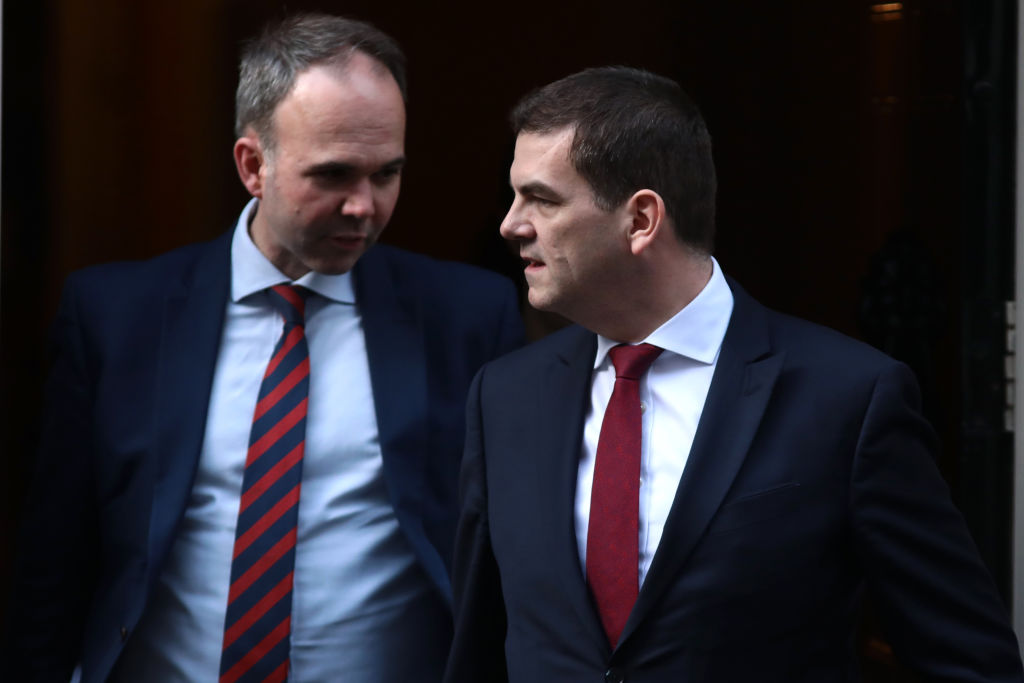
New exposé reveals civil servants have been exploiting flexible working policies at the expense of the tax payer.
May 7th will be Judgement Day for Labour

Max Wilson | May 6, 2026

With a new five party electoral choice on May 7th, Labour has not adapted its local campaigning strategy effectively.

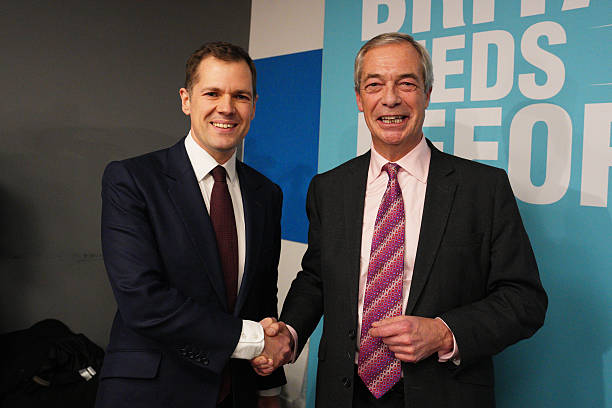
Robert Jenrick joins UK tourism trade bodies in hitting out at Holiday Tax

William Cash | May 4, 2026

Robert Jenrick, Reform's Shadow Chancellor, used the Bank Holiday to make clear that his party would not be introducing a tourism tax.