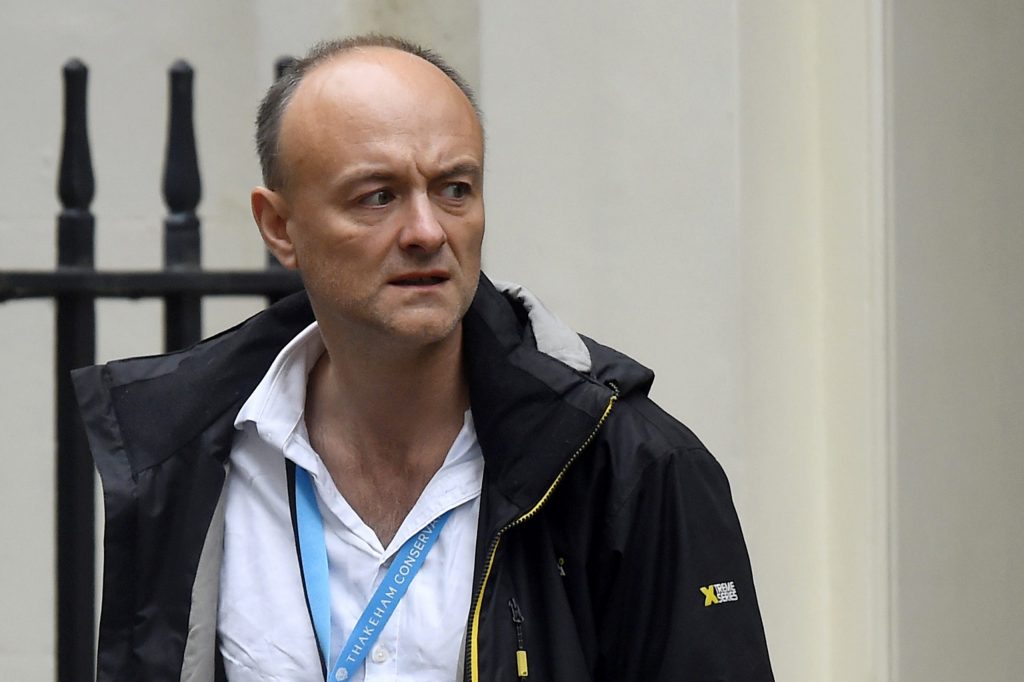
The Cummings Legacy Is Not What The Pundits Think
As Dominic Cummings leaves Downing Street for the last time, William Cash notes that his legacy will extend far beyond his own disruption of Whitehall

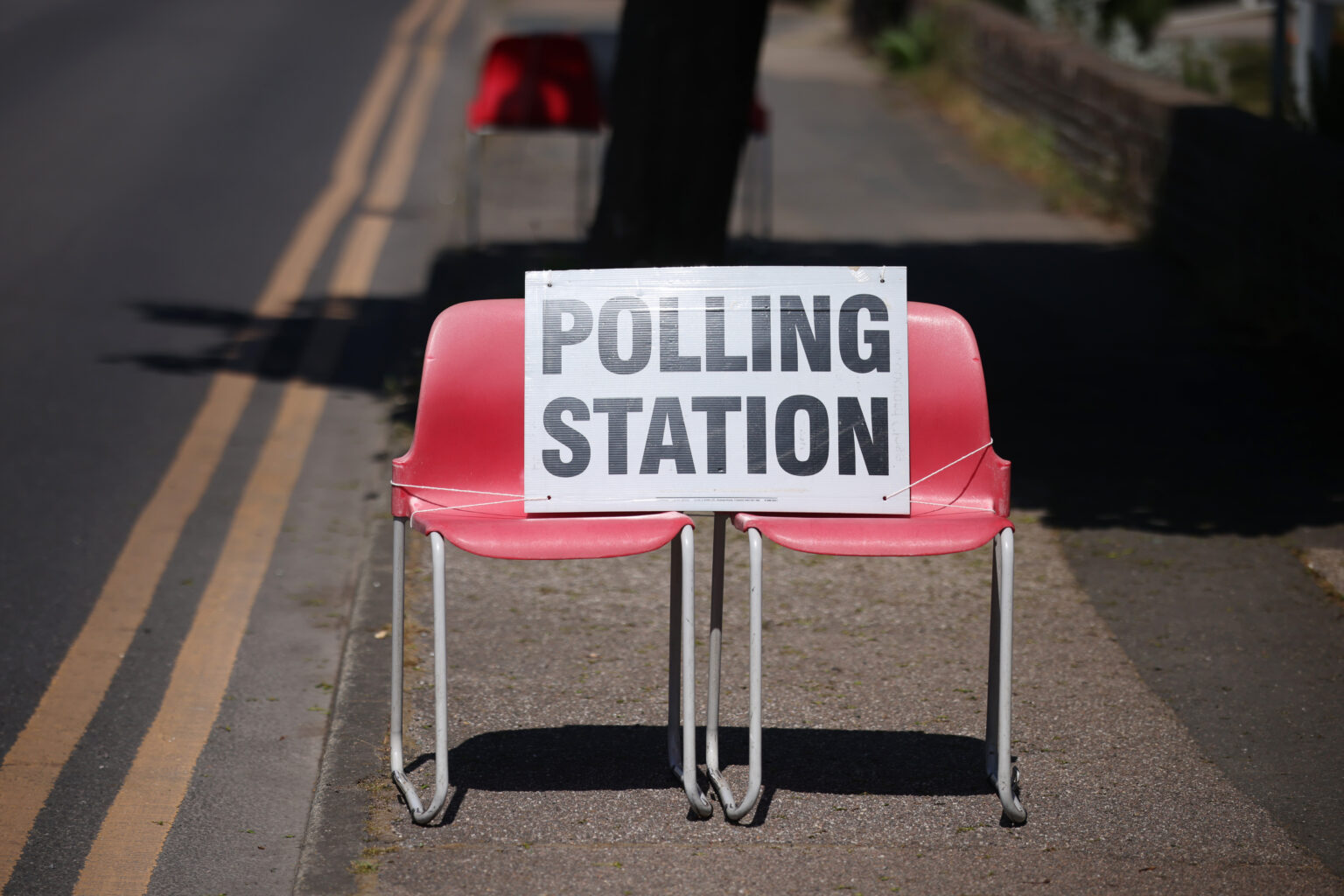
Labour candidate Sagal Abdi-Wali secured 12,292 votes, defeating Green Party leader Zack Polanski, who received 8,928
For Prime Minister Andy Burnham, Labour’s victory marked an important political success. Following the change in leadership, the party has sought to rebuild support among urban and left-leaning voters, some of whom had previously moved towards the Greens.
Ahead of the vote, Burnham emphasised his candidate’s social priorities. The Prime Minister stated: “Sagal has a plan to take on vested interests in our water industry.” He also highlighted efforts to tackle rough sleeping and expand opportunities for young people.
The result offers Labour an opportunity to demonstrate electoral support for its renewed political agenda. However, the outcome of a single by-election does not establish a nationwide recovery for the party, particularly given the relatively low turnout.
Despite Zack Polanski’s defeat, the by-election showed a significant increase in support for the Green Party. According to official UK Parliament figures, the Greens received 10.4% of the vote in 2024, compared with 32.8% in October 2026, as reported by Anadolu Agency. A party spokesperson told The Guardian that “taking the fight to Labour in one of its safest seats shows just how far the Greens have come.”
However, serious disagreements emerged within the party after members approved a controversial conference motion declaring Zionism a form of racism. Former Green Party leader Caroline Lucas publicly criticised Polanski’s handling of the issue. Speaking to BBC Newsnight, she questioned his absence from the conference debate, saying she wanted him to demonstrate “the leadership that was frankly missing on Sunday”.
Polanski himself dismissed the possibility of resigning. Asked by Sky News whether he intended to remain party leader, he replied: “Yes absolutely, that’s what leaders do.” The Greens improved their performance in the constituency but failed to translate their increased electoral support into a parliamentary victory.
Beyond political rivalry, the by-election also brought wider economic concerns into focus, including the cost of living, the housing crisis and the provision of public services.
The importance of local concerns was also highlighted in Mace Magazine’s election-day coverage. We reported concerns among Holborn residents about housing affordability and the difficulties facing young families in Camden.
Ahead of the vote, Polanski also called on Labour to reject further oil and gas development, demanding “no new drilling in the North Sea.” He also advocated for stronger rent controls and the nationalisation of Thames Water.
Labour, meanwhile, has pursued stronger public control over water companies, while leaving open different models of public ownership. Andy Burnham pledged that Sagal Abdi-Wali would challenge vested interests in the water industry and focus on tackling rough sleeping.
The distinction between the parties lies partly in how far and through which mechanisms the government should intervene.
Labour’s victory in Keir Starmer’s former constituency marked an important political result for Andy Burnham. However, it did not eliminate competition for left-leaning voters. The Greens retained considerable support despite their leader’s defeat.
The results should nevertheless be interpreted cautiously. According to Camden Council, turnout was just 38.76%, compared with 54.1% in the 2024 general election, according to UK Parliament records. Such limited participation makes it difficult to draw broader conclusions about national political sentiment. Labour has retained Starmer’s former seat, but the battle for Britain’s progressive voters remains far from settled.
As Dominic Cummings leaves Downing Street for the last time, William Cash notes that his legacy will extend far beyond his own disruption of Whitehall
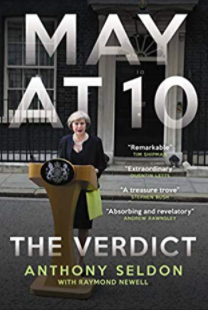
May at 10, by Sir Anthony Seldon, reviewed by Benjamin Goodwin
Marie Le Conte
Jacob Rees-Mogg’s languid pose on the Treasury bench launched a thousand memes on social media. Five observers interpret his body language for us.

How much can Whitehall’s antiquated government offices learn from the Palo Alto tech giants?
Over the last year we’ve seen dozens of MPs switch parties or go independent. But how does such an unexpected move affect their hard-working staff?

Damian Collins remembers his election victory and rejoices at the new Commons term