Interview: European and African trade

Themistoklis Asthenidis | 10th February 2022 | Brussels
kurt-cotoaga-cV73uDwuti0-unsplash

György Hölvényi MEP reveals his expectations for a new partnership deal between the European Union and the African Union

György Hölvényi MEP tells Mace’s Themistoklis Asthenidis about his expectations for a new partnership deal between the European Union and the African Union covering five major pillars: green transition and energy access, digital transformation, sustainable growth and jobs, peace and governance, and migration and mobility.  Themistoklis Asthenidis: You’ve advocated for a change in European-African policy following “a centre-right, Christian-Democratic position”.   Can you outline your political priorities when it comes to your party (the European People’s Party or EPP) view on African policy? György Hölvényi: In previous deals, trade, economics and education have typically come low on the agenda. Fighting poverty has dominated the discourse. But there’s actually no need to separate these issues. We need a holistic, people-centred approach and we must engage in dialogue with our partners. This is the approach our group, the EPP of the European Parliament, has had in the past. An example was the Windhoek Dialogue, an initiative to provide a platform for political dialogue with African counterparts as equal partners. We must listen to our African partners instead of lecturing them; we can only achieve sustainable development in areas where they also want change. Development must be led by Africa.  We also need to recognise that the EU of today is radically different to the EU 20 years ago. With the accession of new member states in 2004, a whole new group joined the union - countries without a colonial past and a new approach to Africa. Our countries’ transition from dictatorship to democracy is also an important lesson to be shared with our partners. In the last few years I’ve had the opportunity to visit 14 African countries and there is clearly great openness in these countries. For instance the countries of the Visegrád Group are taking steps to set up their own specialised humanitarian and development agencies. From the discussions I’ve had with different partners across the African continent, it’s clear that security is one key starting point. Africa needs security and stability, otherwise any economic growth will be unsustainable. To tackle growing poverty in Africa we need jobs on the continent. 10 to 12 million youth enter the workforce each year but only 3.1 million jobs are created in Africa. This gap must be closed but it can only be done if young people get access to the necessary skills. The EU needs to support African partners to increase access to quality education and to invest in vocational training. Public-private partnership is crucial in this context. Education and training must take into account the needs of the labour market. For Christian Democrats this is our cornerstone. TA: As a member of the European Parliament’s Development Committee and as development coordinator for the European People’s Party you have been actively involved in the drafting of your group’s position paper on Africa policy, especially when it comes to development cooperation. What are the key themes and priorities of the paper and how do you envisage the paper influencing your group’s Africa policy in the coming years? GyH: As I have outlined, security, education, job creation and private investments are key pillars for our group. We believe that these areas are all interlinked and will empower Africa’s development itself. Another burning challenge is the impact of climate change. We need to invest more to assist African countries to increase resilience. Innovation in agriculture and water management are vital in this context. This leads us directly to the issue of food security and investments in agriculture, which cannot be divided from the issue of job creation. 70% of Africans make their living through agriculture.  We need to approach development cooperation from a holistic perspective and we need to put more emphasis on the synergies and coherence of different policy areas. This is also a question of efficiency. The EU is the biggest donor in the world but in terms of efficiency falters. This puts the credibility of the EU’s development policy at risk. Addressing corruption, supporting good governance and tackling the consequences of Covid-19 are also topics linked to the above-mentioned challenges and which require action from our side. TA: How does your position paper intend to promote research and innovation that can help us end hunger in a continent that is the world's fastest growing continent, and also home to more than half of the world's population facing food insecurity? GyH: Sub-Saharan Africa has a quarter of the world's arable land but only produces 10 per cent of its agricultural output. The African continent has the ability for self-reliance in food production, if the right conditions are given. Of course, different countries and regions are facing with different challenges. However, in general the low productivity of staple crops makes African agriculture uncompetitive. We must empower African f...

Subscribe to The Mace

Join the member community shaping British politics and stay ahead of what's really happening in the world of politics and public affairs, with expert analysis, breaking news, and insider insights from Westminster and Brussels. The Mace is the leading news source and resource for the government affairs industry, offering required reading and lobby intelligence for professionals.

To see what you are missing out on by not subscribing to The Mace, click here to download our full membership info-pack. This includes having no paywall on op-ed content or profiles/interviews, allowing professional profiles to be read with maximum impact and visibility by government, special advisers, MPs, peers, civil servants, and policy and political decision-makers.

Italy Joins Belgium in Challenging EU Plan to Use Frozen Russian Assets

Mace | December 15, 2025

Italy aligns with Belgium to oppose Brussels’ plan to deploy frozen Russian assets for Ukraine, complicating efforts ahead of key EU summit.

EU Buy European Push Put on Ice as Member State Divisions Stall Plan

Mace | December 12, 2025

Deep splits among EU capitals force Brussels to delay its Buy European procurement push amid fears of protectionism and higher costs.
EU Council Signs Off EU UK Fishing Quotas Deal for 2026

Mace | December 12, 2025

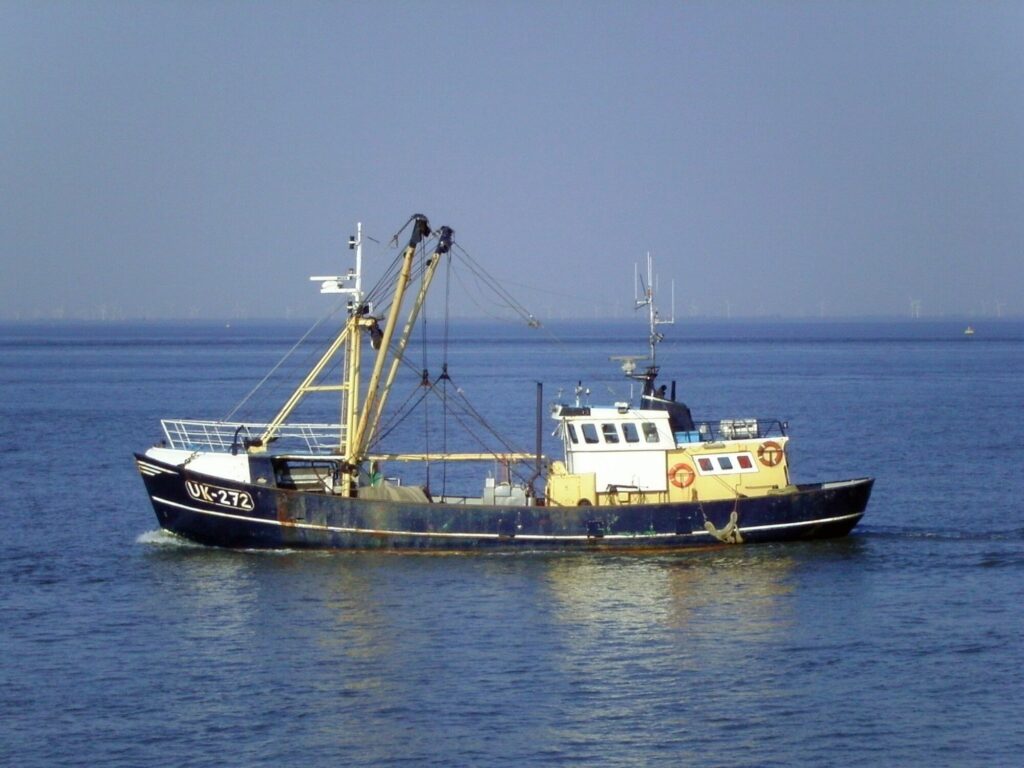
Brussels approves annual EU UK fisheries agreement for 2026, setting shared quotas and access rules under the post Brexit framework.
EU Lawmakers Seal Overhaul of Pharmaceutical Rulebook

Mace | December 12, 2025

European legislators agree major reforms to medicines law, reshaping market exclusivity, boosting access, and tightening rules on shortages and antibiotics
Moscow Bristles as Brussels Moves to Turn Frozen Russian Assets into Long Term Ukraine Lifeline

Mace | December 12, 2025

Russia threatens legal and economic retaliation as the EU advances plans to leverage frozen Kremlin reserves for sustained Ukrainian financing
EU Forces Meta to Reshape Ads Policy After 200 Million Euro Fine

Mace | December 10, 2025

Meta agrees to overhaul its EU ad model, offering clearer data-sharing choices for users after regulators ruled its previous system breached competition rules.

EU Governments Agree Common Position on New Asylum and Migrant Return Rules

Mace | December 10, 2025

EU states back new asylum and return measures, including safe-country rules and a solidarity pool, ahead
EU Boosts Research Spending but Misses Long Standing Three Per Cent Target

Mace | December 8, 2025

EU research spending reaches record levels but remains well below the three per cent goal, prompting renewed debate over investment gaps and competitiveness.
MACE Marks Five Years with Westminster Celebration

Mace | December 4, 2025

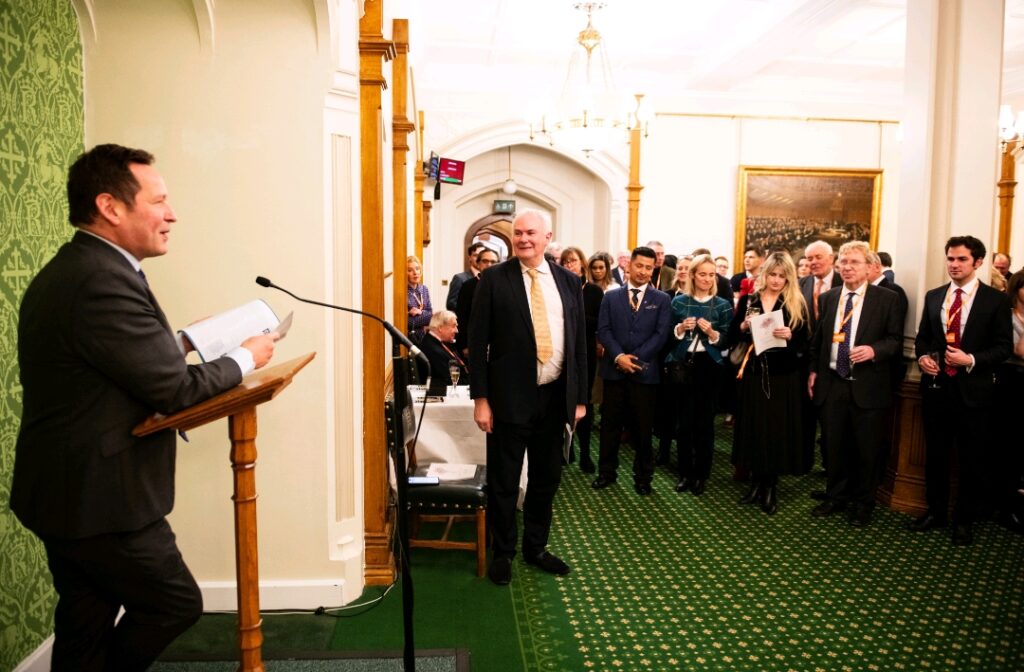
MACE marked its 5th anniversary with a high-profile Commons reception of politicians, diplomats, media figures and lobbyists, launching its influencers report
UK–EU Defence Fund Talks Collapse Over Entry Fee Standoff

Mace | November 30, 2025

Talks between London and Brussels collapsed after the EU demanded a high entry fee for SAFE, leaving the UK limited to third-country participation.