Empowering Global Sustainability: Why the EU Must Embrace Certification Efforts in Developing Nations

Pierre Bois d’Enghien | 6th June 2024 | Comment
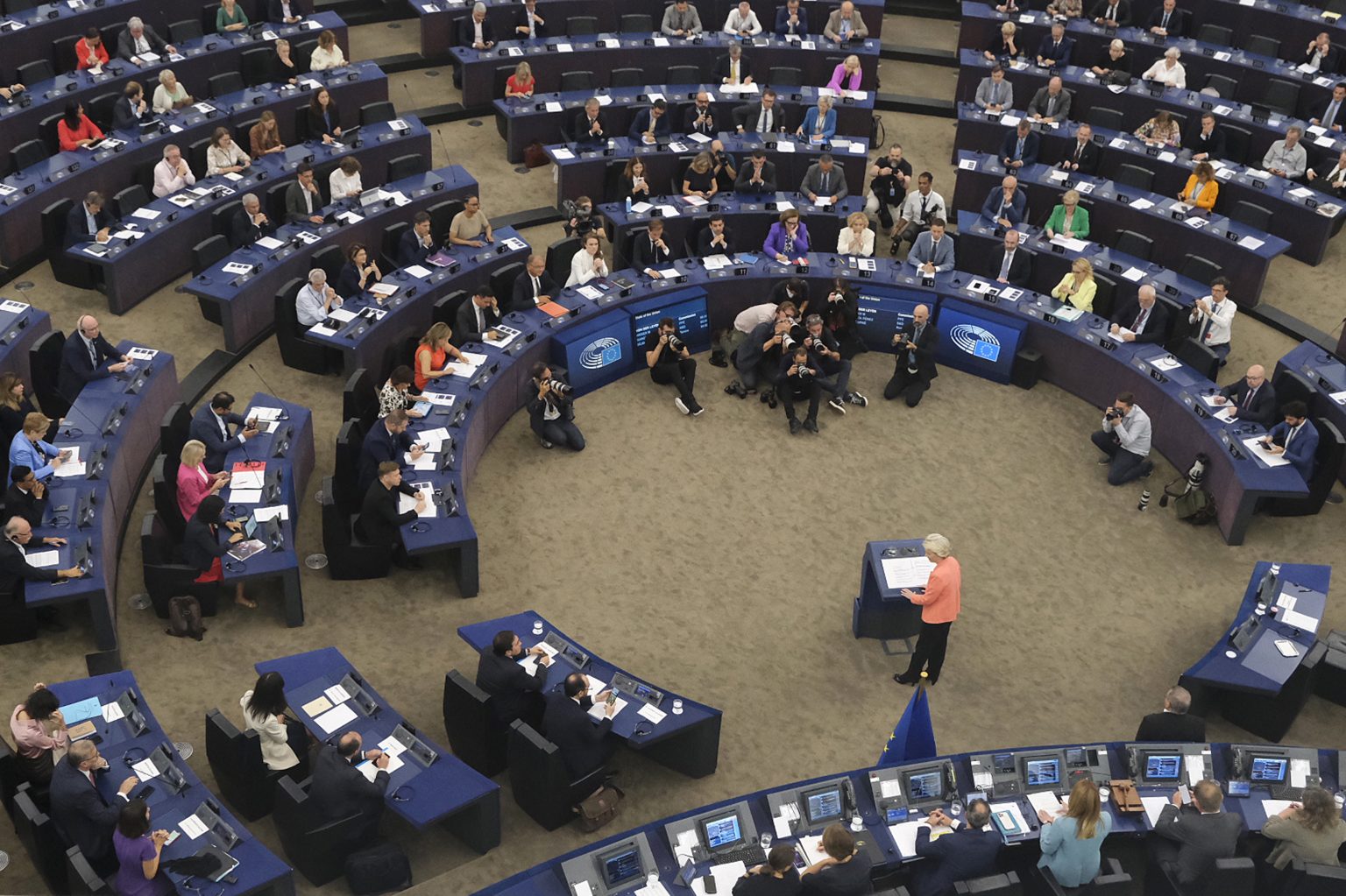
European Union, 2023 - Source: EP - Margaux D'Herckers

The EU Deforestation Regulation burdens developing nations, but Malaysia's MSPO certification offers a solution.

The EU Deforestation Regulation (EUDR) has been the subject of much debate – and criticism – from countries exporting the commodities affected, including rubber, coffee, cocoa, palm oil and soy. Almost all of these commodities are produced in the developing world – in southeast Asia, subSaharan Africa and Latin America. The scale of the challenge facing poor farmers in these regions is now being revealed. Some estimates show, as just one example, that 500,000 data points could now be required for every single shipment of Malaysian palm oil heading to the European Union. For large companies that is a huge task of bureaucracy, process, staff time, and money. For many small farmers in these countries, it could be all but impossible. Around the commodity-exporting world, the same question is being asked by companies and cooperatives, and by planters and politicians: how can we comply with EUDR in the cheapest and most efficient manner? Malaysia may have the answer. On behalf of the Malaysi...

Subscribe to The Mace

Join the member community shaping British politics and stay ahead of what's really happening in the world of politics and public affairs, with expert analysis, breaking news, and insider insights from Westminster and Brussels. The Mace is the leading news source and resource for the government affairs industry, offering required reading and lobby intelligence for professionals.

To see what you are missing out on by not subscribing to The Mace, click here to download our full membership info-pack. This includes having no paywall on op-ed content or profiles/interviews, allowing professional profiles to be read with maximum impact and visibility by government, special advisers, MPs, peers, civil servants, and policy and political decision-makers.


Reworking labour rights

Richard Milsom | March 4, 2022

The Malaysian palm oil industry is one of many making strides towards stamping out forced and trafficked labour


How to preserve European unity

Hilde Vautmans | February 23, 2022

There may be dissent within the EU – but key changes and a new mindset can yet win the day

Who’s ready to regulate social media?

Tamás Orbán | February 18, 2022

Social media is an obstacle to free speech

Why start ups are the flavour of the month

Daniel Dalton | February 9, 2022

The future’s bright for startups – especially if the UK and EU can work together and rise to global challenges

The Helm Review: Flop26

Dieter Helm | February 7, 2022

Mace hears from economist and climate expert Professor Dieter Helm on his assessment of Cop26

Meet the contrarians

Ali Miraj | February 3, 2022

As an increasing number of people are being silenced for challenging the status quo, the Contrarian Prize recognises individuals who dare to be different

Fine words from Defra butters no parsnips

Gilbert Greenall | February 1, 2022

Can new laws make farming pay? If not, our countryside faces the biggest threat for centuries

As the pandemic slows, Britain will continue to succeed

Azeem Ibrahim | January 26, 2022

Boris Johnson may be in trouble, but the Britain he leads is not, argues Azeem Ibrahim

Leading without vision

Lucy Kenningham | January 20, 2022

Premiers are different to the crowd: an electorate teeming with Thatcher’s drive and Blair’s self-belief would be a nightmare

Is the art marketplace misunderstood?

Joanna Van der Lande | January 20, 2022

Propaganda against the market continues to grow, and with it increasing pressure to restrict its activities