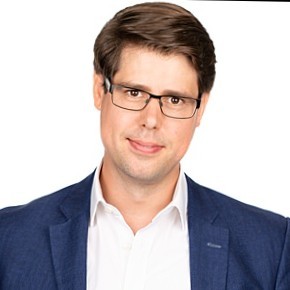
Leader in UK Public Affairs: Andy Brown, Marketing, Communications and Business Development Director, Arup, “Be open”
Andy talks about how career progression isn't just about salary but spending time doing work that you find meaningful



Industry experts warn that a ban on under-16s using social media ‘could create a false sense of safety’ if additional measures to fortify the ban are not put in place.
The public consultation on social media came to a close on Tuesday, and Keir Starmer has since committed to take ‘decisive action’ to tackle the impact of social media on children.
The consultation, which was launched at the beginning of March this year, investigated whether social media should be banned for children, the effects of gaming, restriction of AI chatbot features, and overnight curfews. At the time, Technology Secretary Liz Kendall said: “We know parents everywhere are grappling with how much screen time their children should have, when they should give them a phone, what they are seeing online, and the impact all of this is having. This is why we’re asking children and parents to take part in this landmark consultation on how young people can thrive in an age of rapid technological change.”
The consultation received over 80,000 responses from charities, campaign groups and members of the public. In its submission, the Academy of Medical Royal Colleges cited the physical and mental health problems caused by watching extreme violence online.
“Three-quarters of children aged 11-15 and 92% of adults would support movie and game-style age ratings for social media apps”
Currently, it looks like the government will fall short of a flat-out ban. This is partly due to the ban in Australia being widely ineffective as most under-16s reportedly still access social media. In this case, children are able to circumvent the existing age restrictions by entering a false birth date.The possibility of a ban has also received mixed responses from industry leaders. The National Head Teachers Union (NAHT), told Mace: “The risks of the online world will persist and could worsen if any ban is not supported by other measures and robust government action to compel online companies to make their platforms safer.” They added: “NAHT members have raised concerns about solely focusing on a ban at the expense of wider safety measures and restrictions, highlighting that it could create a false sense of safety while pushing children into less regulated online spaces.”
Paul Whiteman, NAHT’s general secretary, said: “Any move to raise the minimum age for social media use to 16 would need to be supported by truly effective age verification measures. Even the current minimum age of 13 is difficult to enforce, so if the threshold is raised this could prove harder still, as we have seen in Australia.”
Three-quarters of children aged 11-15 and 92% of adults would support movie and game-style age ratings for social media apps, according to data by the National Society for the Prevention of Cruelty to Children (NSPCC).
Rani Govender, Associate Head of Policy for Children at the NSPCC, said: “With the Government’s public consultation about to close, we need action. Tech companies have continued to prioritise profit over keeping our children safe, with families left to pick up the pieces. This cannot be allowed to continue.
“Political leaders must move quickly to set out a clear plan that finally delivers comprehensive online protections for children. That means requiring platforms to build safety into every device, feature and AI tool from the outset, preventing children from encountering harmful or illegal content and ensuring they can only access age-appropriate services through risk-based age ratings – something that children and adults are telling us they strongly support.”
They added: “It also means ending the addictive design tricks that keep young users scrolling, gaming and watching for hours on end. Without this, a social media ban for under-16s would be better than maintaining the status quo.”
There is increasing pressure on Keir Starmer to take action on this consultation before the Makerfield by-elections. He has also met with parents that have lost children due to the impact of social media on mental health, who have appealed to him to take immediate action. Starmer told the families and campaigners: “It is important that we act and will act”. Speaking ahead of a meeting with them on yesterday, Starmer had said he was clear that action must be a “game-changer”.
Daniel Kebede, General Secretary of the National Education Union (NEU), said: “Protecting our children from the scourge of Big Tech should be a major priority of this government. The overwhelming view of teachers and parents is that action must be taken. The longer the Prime Minister prevaricates, the greater the damage done to young people by the drip-feed of dangerous online content. There is cross-party consensus on raising the age of social media access to 16. The pathway is clear, the need is urgent. Keir Starmer must do the right thing.”
Hard action on protecting children from Big Tech is supported from across the Labour party and former health secretary Wes Streeting said social media companies should be treated like the tobacco industry. Potential changes that could come into place include changes to addictive design features, disabling infinite scrolling, digital curfews and stronger action on tech companies to remove harmful content from their sites.
Andy talks about how career progression isn't just about salary but spending time doing work that you find meaningful
Claire captures the appeal of public affairs: influence without exposure, impact without political office.

After two decades spent in advocacy on behalf of business, Ros reveals what parts of the industry she believes needs reform.

Tim reflects on the reality of operating in an environment where political pressure, public scrutiny and long-term infrastructure decisions all collide.
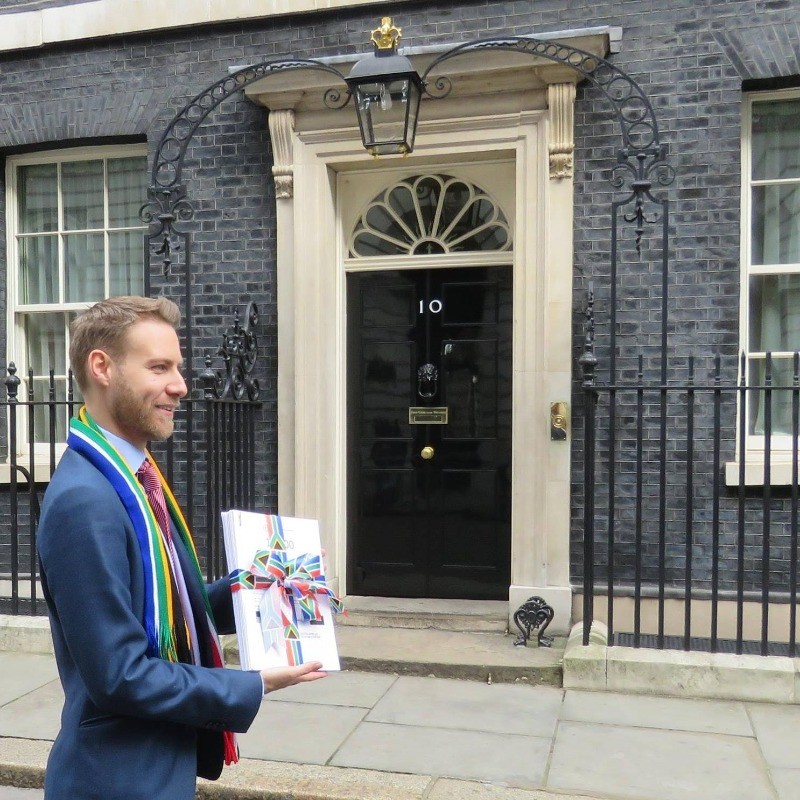
Dan discusses his time in the industry that "literally built Britain", his leadership philosophies, and how AI will never replace empathy.

CityFibre’s Charlie Hall explains why joined-up policymaking is vital to infrastructure investment, how in-house advocacy connects politics with commercial reality and why the best decisions draw on every
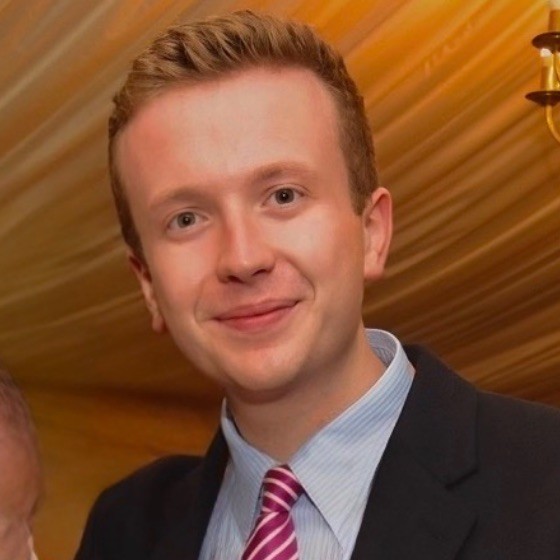
Sophie has been passionate about politics since her teenage years. Now, she works at the intersection of policy, delivery and public accountability.
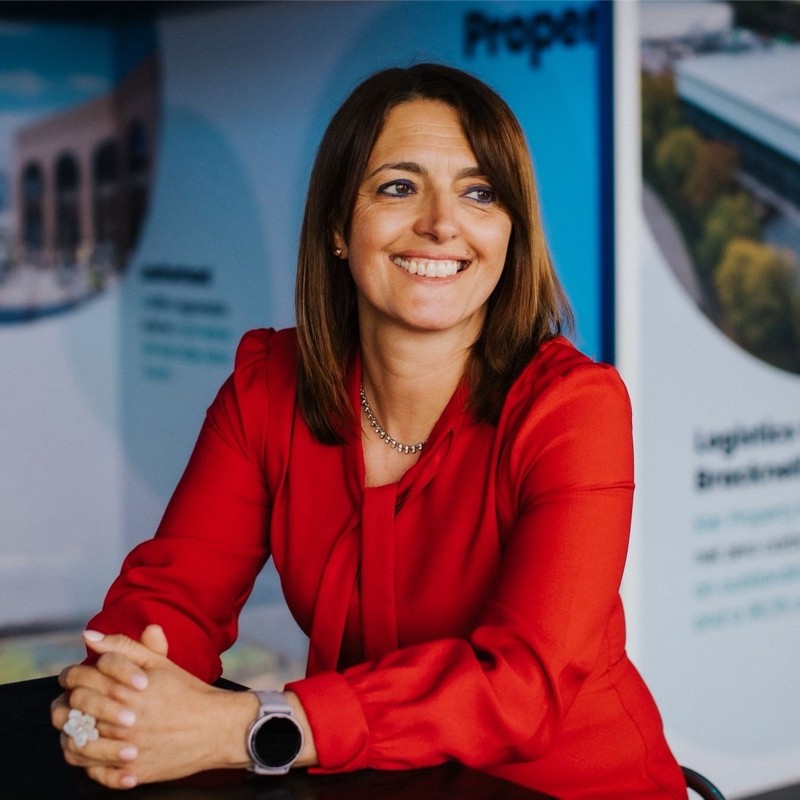
From gaining his politics degree to standing in the 2019 General Election - Lewis reveals how these experiences informed his career in public affairs.

John Gill's promotion at Reform UK, just before the party launches its inaugural Business Day at its September NEC conference, is indicative of how the party is ramping

Turner’s work sits within the BioIndustry Association, the trade body representing the UK’s biotechnology and life sciences sector.