Growing pressure from car manufacturers, rising Chinese competition and concerns over climate commitments have left the government facing a difficult decision over the future of Britain's electric vehicle targets.
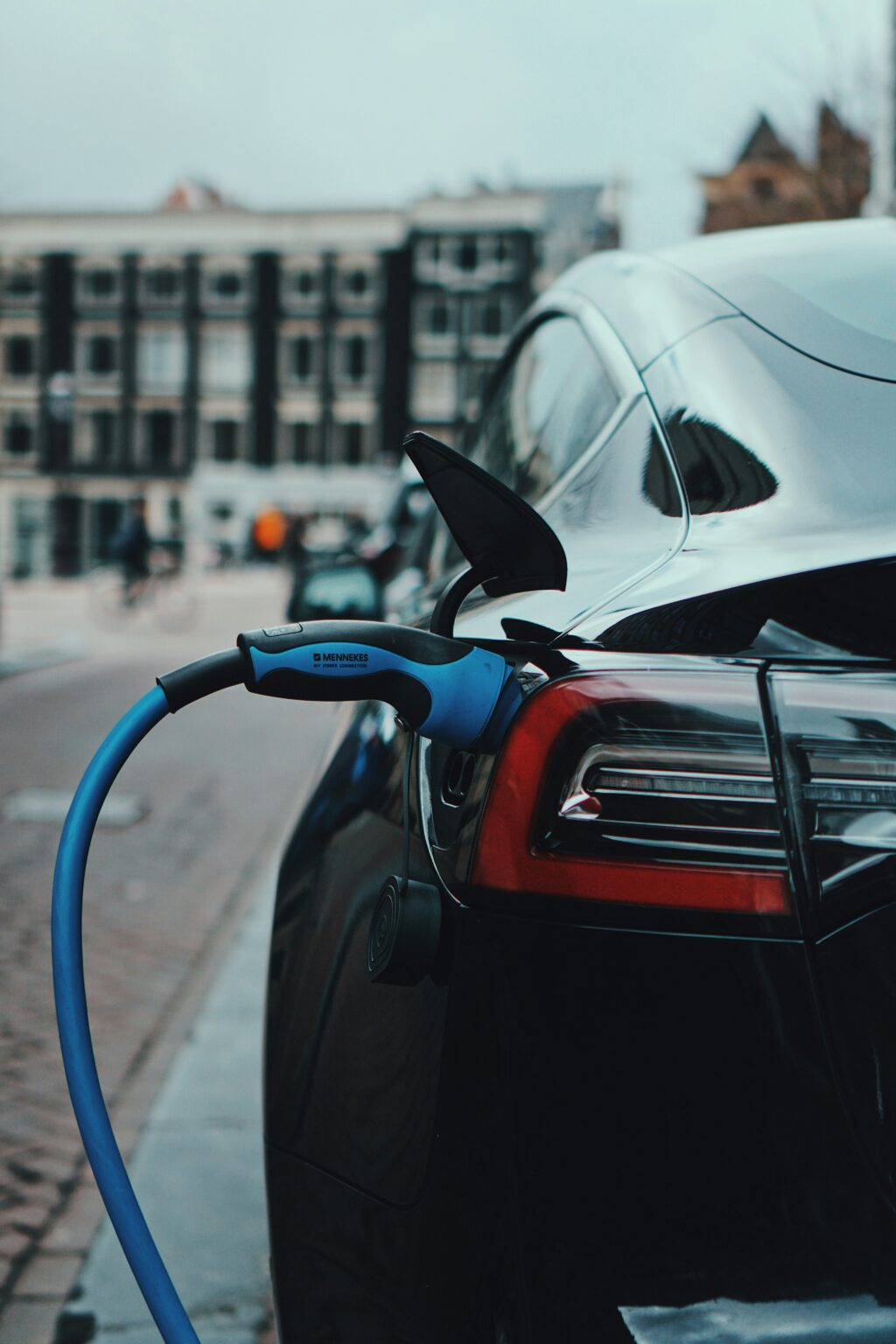
The government is reportedly preparing to announce changes to EV sales targets this week following intense lobbying from carmakers and the motor industry. The current Zero Emission Vehicle (ZEV) mandate requires manufacturers to sell an increasing percentage of fully electric cars each year with the target that 80% of new cars sold in the UK must be electric by 2030. This scheme is part of a wider goal which was paving the way towards a complete phase out of combustion engines by 2035. While this move has been welcomed by struggling carmakers, it raises concerns for environmental scientists and climate policy analysts.
There has been growing pressure on the government as the sector warns urgent action is needed to protect jobs and secure investment. According to the head of the British car industry’s lobby group, carmakers are delaying decisions to invest in the UK until rules surrounding electric car sales are relaxed. The British car industry has been battling with competition from China, sluggish demand and the added costs of investment into electric technology. This has resulted in a 7.5% decrease in the number of cars produced in the UK in the first half of 2026 compared with the first half of 2025, according to data from the SMMT.
A major concern for manufacturers is that consumer demand for electric vehicles is failing to keep up with the government’s ambitious sales targets. The recent growth in EV sales has come at a significant financial cost to manufacturers. They are spending billions of pounds on discounts and other incentives to meet the increasingly demanding sales targets.
Chinese automotive brands like Omoda, BYD and Jaecoo are continuing to flood the UK, with their share of the new car market tripling in the first eight months of 2026. This is putting immense pressure on established British and Western producers. The UK remains a bit of an outlier in choosing not to put import taxes on Chinese vehicles with the US almost entirely shutting them out and the EU imposing duties of up to 45%. Reportedly EU officials warned Burnham that without imposing tariffs on Chinese vehicles, Brussels would implement “made in Europe” protection barriers on British exports which would hit Britain in their largest market.
The UK is facing pressure from two directions. Chinese manufacturers are increasing competition in domestic markets, while the EU is pushing for closer alignment on trade policy. The government faces a difficult balancing act as it attempts to maintain stronger trading relationships with both markets while protecting domestic manufacturers.
Changes to the Zero Emission Vehicle targets raise alarm bells for those concerned about climate change. According to the Department for Energy Security and Net Zero, the domestic transport sector remains the largest emitting sector in the UK, accounting for 30% of all emissions. Sustainability groups say that any weakening of the ZEV targets would threaten the long-term climate goals of the UK as well as targets for electrification. There are concerns that backtracking on this could undermine the UK’s claim to be providing leadership on climate.
Energy UK said at the end of last month that weakening the mandate would not solve any long-term structural issues that are hindering UK growth. They said: “Any further changes to the Mandate undermines the investment certainty needed to deliver the infrastructure, innovation and services required for the transition to zero-emission transport”.
Following the decision to approve the Jackdaw gas field, any weakening of the ZEV targets could be seen by some to be a complete abandonment of environmental concerns in favour of boosting the economy.
When asked about the reports Prime Minister Andy Burnham dismissed them as “speculation” and added: “no decision has been made at this point”.
Ultimately, the government faces a difficult decision between supporting an industry facing increasing economic pressure and maintaining the UK’s commitment to a greener future. The challenge for the government is not simply deciding how quickly the UK should transition to electric vehicles, but how it can protect British industry without compromising on the environmental commitments it has made. Whether the government can strike this balance is yet to be seen.