Britain’s cleantech companies aren’t starving for capital. They’re starving for commitment

Sarah Mackintosh | 10th April 2026 | Comment
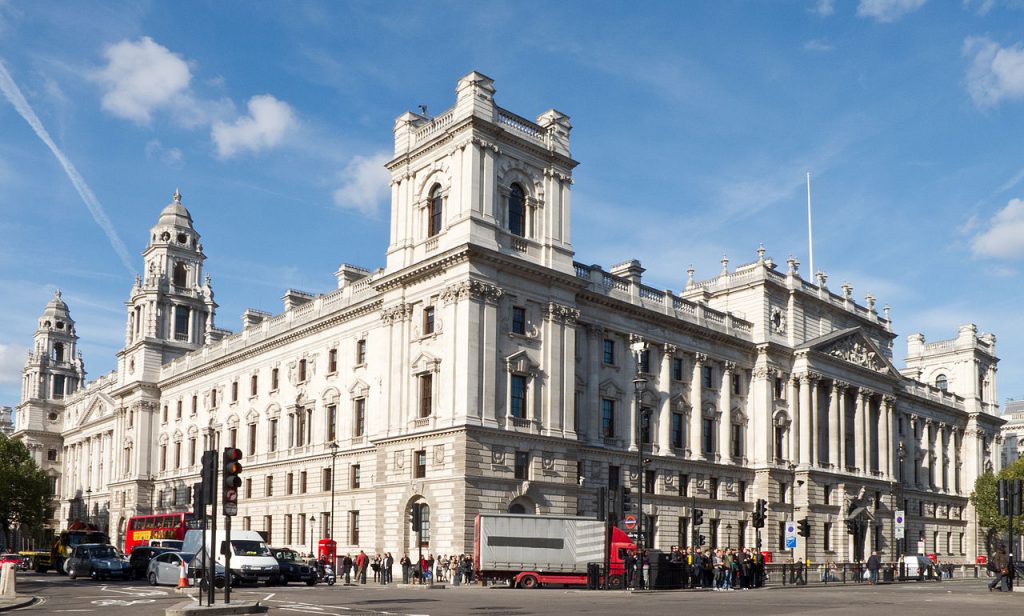
Cleantech has received significant investment, but is lacking proper commitment (Photo by Christopher Furlong/Getty Images)

The funding gap is real, but it isn't a shortage of money. It's a shortage of accountability for not deploying it, writes Sarah Mackintosh.

If you work in British cleantech, you know the feeling. A company with proven technology, a credible team and a clear market opportunity spends months, sometimes over a year, in funding conversations. Meetings are positive. Interest is real. Then the process slows. Decisions are deferred. Reasons, when they come, are thin. Ask around, and everyone has a theory about whose fault it is. Investors say that the companies are too early. The companies say that the investors are too cautious. Government points to the private sector. The private sector points back at a public sector that is unwilling to share the risk it is asking others to take. Each diagnosis is, in its own way, correct. That is precisely the problem. What looks like a cleantech funding gap is actually a coordination failure baked into the architecture of British capital markets, and it will not be solved by asking any individual player to behave differently. Most actors in this system are behaving rationally given their con...

Subscribe to The Mace

Join the member community shaping British politics and stay ahead of what's really happening in the world of politics and public affairs, with expert analysis, breaking news, and insider insights from Westminster and Brussels. The Mace is the leading news source and resource for the government affairs industry, offering required reading and lobby intelligence for professionals.

To see what you are missing out on by not subscribing to The Mace, click here to download our full membership info-pack. This includes having no paywall on op-ed content or profiles/interviews, allowing professional profiles to be read with maximum impact and visibility by government, special advisers, MPs, peers, civil servants, and policy and political decision-makers.


Erskine: Bernard Jenkin MP

Mace | October 1, 2020

Attempts to modernise the civil service, one of the great institutions of state, will put unnecessary strain on the UK constitution


The Diary of a Data Miner

Adam Solomons | March 8, 2020

Mindfuck, by Christopher Wylie, reviewed by Adam Solomons

Thirty Women: Thirty Powerful Voices

Benjamin Goodwin | March 8, 2020

She Speaks: The Power of Women's Voices, by Yvette Cooper, reviewed by Benjamin Goodwin

Constituency vitae: David Lammy on Tottenham

David Lammy | February 3, 2020

The north London constituency is not without its problems, admits David Lammy, but it remains a destination second to none…

Protected: Hunt in Hampstead

Ferdie Rous | January 31, 2020

There is no excerpt because this is a protected post.

The Lesson of Munich

Tim Congdon | January 28, 2020

The Establishment has been wrong before, notes Tim Congdon. Is it so crazy, he asks, to think that it might be wrong again?

Police must protect the public not just catch the bad guy

Mace | January 24, 2020

Rotherham's MP, Sarah Champion, chair of an important parliamentary group on adult survivors of child sexual abuse, wants to see some change at the MoJ

Phillip Blond: ‘We live in a post-liberal world’

Alice Wright | January 24, 2020

The political philosopher ponders policy, populism and the changed landscape of European politics
Out of Office: What does a holiday destination reveal about a premiership?

William Cash | January 16, 2020

William Cash considers Boris Johnson’s Christmas break in Mustique and finds a prime minister’s choice of holiday location to be highly revealing.

Treasury still wields too much influence, says ex-Commons clerk

Eliot Wilson | January 16, 2020

This fortress at the heart of Westminster acts as if it owns the public finances and such a monopolistic attitude is deeply damaging.