African farmers ask the EU for a localised partnership

Richard Milsom | 6th December 2021 | Uncategorised
anaya-katlego-CXKk4zU7anE-unsplash

As they stand, the EU's trading standards are an obstacle to the continent's economic success

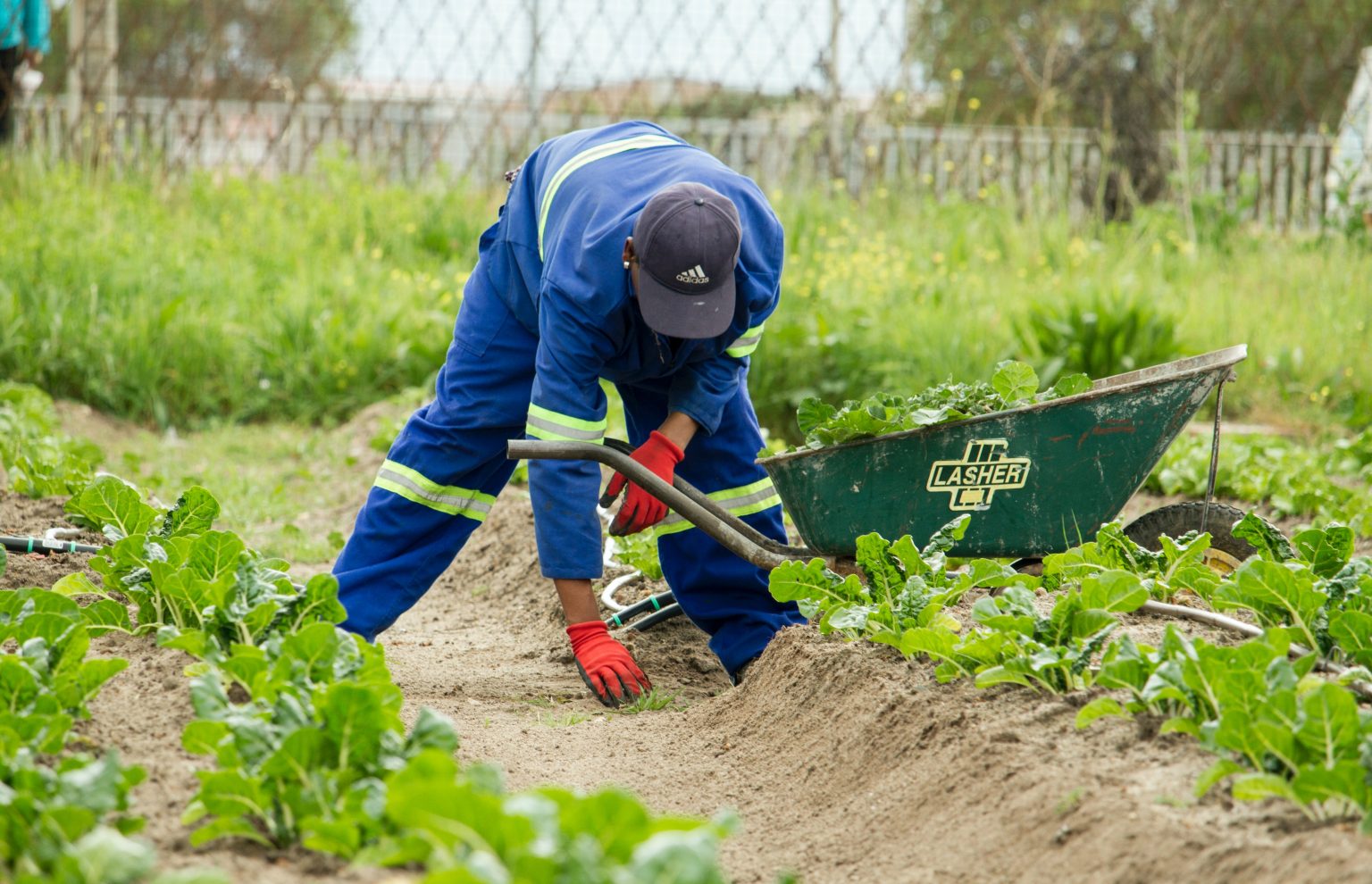
The European Union systematically engages with over 150 countries across the globe – particularly in areas of trade, sanctions and assistance. Its neighbouring regions remain the main focus of its external policy and the EU has set priorities to face global challenges, promote its values and contribute to peace and prosperity in the world. Africa is of particular interest as their economies realise their potential. The EU and Africa are due to agree a new partnership deal at the AU-EU Summit in February next year.  It is based on five partnership pillars: for green transition and energy access, for digital transformation, for sustainable growth and jobs, for peace and governance, and on migration and mobility. Within this deal is a necessity to join efforts to reach the sustainable development goal of zero hunger and address the challenges of nutrition and food security by boosting safe and sustainable agri-food systems. Agriculture is a key industry for Africa, accounting for at least 23 per cent of sub-Saharan Africa’s GDP and providing employment for about 40 per cent of the workforce. However agricultural exports only account for around 5 per cent by volume, a figure that Africa wishes to increase. The EU’s Farm to Fork (F2F) strategy aims to make the European food system more sustainable through a set of stringent targets and environmental standards, in addition European farmers have asked that imported products should meet the same standards they have to comply with in order not to affect their competitiveness. This creates a number of concerns for African farmers as they require an approach that is adapted to the realities of the continent. Last week, your correspondent had the chance to speak with Mr Ojepat Okisegere (the chief executive of Kenya’s Fresh Food Consortium and a key representative for East African Farmers). For Okisegere, the EU’s current approach is both leaving African farmers poor and hindering the continent’s sustainable development. He argues that African farmers wish for reciprocity and understanding from the EU, that they need a green deal adapted to the realities of the continent. African farmers face different pressures from a tropical climate and different crop pests and diseases. Okisegere’s areas for review

Please - no deviation

Firstly, the EU shouldn’t deviate from established international global trading standards. The cost of additional burdensome regulation and separate compliance criteria is simply unfair, as Africans will have to adapt to varying agricultural standards that differ from the established international WTO agri-food trading standards. For example, the EU is looking to drop the Maximum Residue Levels (MRLs) on neonics. This blanket approach makes no sense, because there are no bees in cocoa. We fully support the need to help bees thrive, but why limit access to the necessary technology based on a redundant argument?

Adapt... and thrive

We need a localised adaption of the EU’s Green Deal to the realities of Africa. The starting base of discussions cannot be the same. The EU wants a 50 per cent cut in pesticide use but Africa is yet to fully mechanise and modernise its agricultural sector. Africa uses far less pesticides per hectare than in Europe and yields are vastly different. The average African farm performs at 40 per cent of their potential. For example, Maize is a staple crop in Africa for food security and livelihoods, the average yield is 1.8 tonnes per hectare in Sub Saharan Africa whereas the EU average is 7.9 tonnes. The EU approach to pesticides cannot be the same as African farmers need inputs that may not be needed in Europe. Not only do we have tropical climatic conditions and different soils but pests unique to Africa like Fall Armyworm and Desert Locusts can have a devastating effect on staple crops for food security and livelihoods.

Equality matters

There must be a genuine partnership of equals between Africa and the EU. The approach needs to be grounded in science and the sustainable development needs of Africa. African stakeholders are asking for the EU to let them trade rather than being left dependent on aid. The EU’s current impact assessments are based on the EU27 risk assessments and do not take into account the specific realities of the rest of the world. Indeed, organisations such as the European Centre for Development Policy Management have stated that Farm to Fork could have unintended consequences, worsening food poverty in Africa and increasing global warming outside the EU. Additionally, Egerton University’s Tegemeo Institute of Agricultural Policy and Development of Kenya shows that reducing pesticide use will lead to higher food prices and lower yields in a continent that already has more than half of the world’s population suffering from food insecurity.

No hidden agendas

Finally, the EU should re-target EU funds away from political movements and foundations that push their own agenda in Africa, such as Greenpeace...

Subscribe to The Mace

Join the member community shaping British politics and stay ahead of what's really happening in the world of politics and public affairs, with expert analysis, breaking news, and insider insights from Westminster and Brussels. The Mace is the leading news source and resource for the government affairs industry, offering required reading and lobby intelligence for professionals.

To see what you are missing out on by not subscribing to The Mace, click here to download our full membership info-pack. This includes having no paywall on op-ed content or profiles/interviews, allowing professional profiles to be read with maximum impact and visibility by government, special advisers, MPs, peers, civil servants, and policy and political decision-makers.

EU Forces Meta to Reshape Ads Policy After 200 Million Euro Fine

Mace | December 10, 2025

Meta agrees to overhaul its EU ad model, offering clearer data-sharing choices for users after regulators ruled its previous system breached competition rules.

EU Governments Agree Common Position on New Asylum and Migrant Return Rules

Mace | December 10, 2025

EU states back new asylum and return measures, including safe-country rules and a solidarity pool, ahead
MACE Marks Five Years with Westminster Celebration

Mace | December 4, 2025

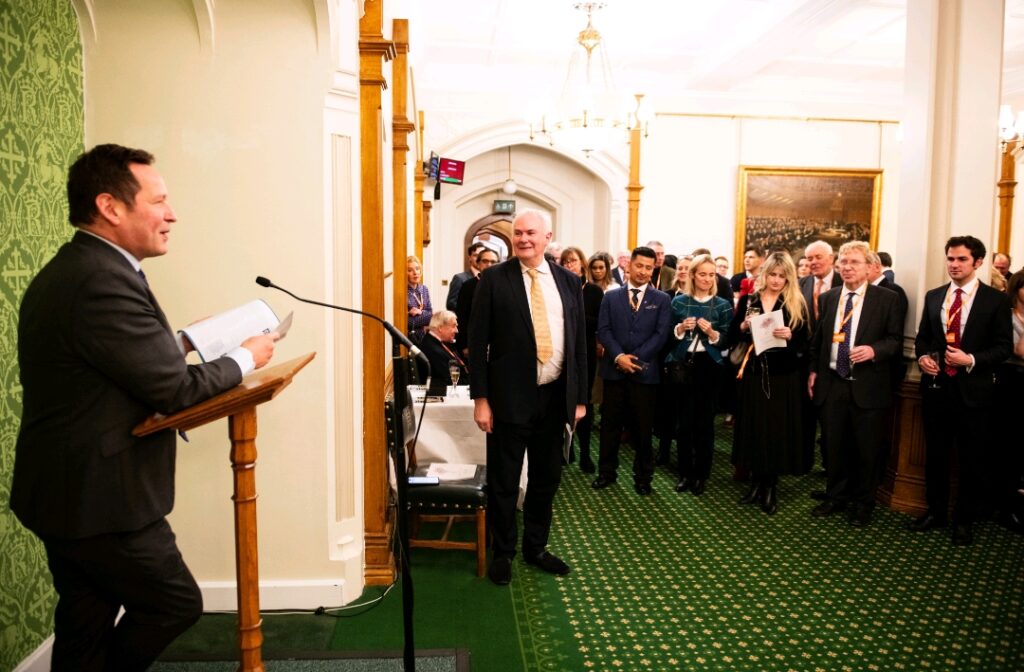
MACE marked its 5th anniversary with a high-profile Commons reception of politicians, diplomats, media figures and lobbyists, launching its influencers report
Scathing criticism

Christopher Silvester | December 3, 2025

From self-lacerating memoir to by-election madness and a Labour Together takedown, The Mace’s literary editor Christopher Silvester rounds up the latest political books.

Telling a human tale

Christopher Silvester | December 3, 2025

From self-lacerating memoir to by-election madness and a Labour Together takedown, The Mace’s literary editor Christopher Silvester rounds up the latest political books.

Ex-deputy chair among Tory defections to Reform

Mace | November 30, 2025

Three former Conservative MPs, including ex-deputy chair Jonathan Gullis, defect to Reform UK as the party capitalises on Tory unrest and declining support.

UK–EU Defence Fund Talks Collapse Over Entry Fee Standoff

Mace | November 30, 2025

Talks between London and Brussels collapsed after the EU demanded a high entry fee for SAFE, leaving the UK limited to third-country participation.

Government to Ban Asylum Seekers from Taxi Services

Thomas Edwards | November 30, 2025

The government plans to end most taxi travel for asylum seekers attending medical appointments, replacing it with public transport and tightening Home Office oversight.

Yermak’s Resignation Sends Shockwaves Through Kyiv and Europe

Mace | November 29, 2025

The resignation of Andriy Yermak after anti-corruption raids disrupts Ukraine’s leadership and triggers uncertainty across Europe during a critical phase of the war.

Autumn Budget 2025: family finances squeezed, welfare rules eased

Mace | November 29, 2025

After weeks of tax rumour and expectation-setting, the 26 November Budget landed as a welfare-first package that lifts the benefits cap but tightens the screw on household incomes,